



Bag & Film Cleaning Systems for Plastic Recycling
Source industrial bag & film cleaning systems for plastic recycling — PP woven bag washers, PE/PP film cleaning lines, and friction-wash equipment from verified manufacturers.
- 1-2 of 2 items
- 1
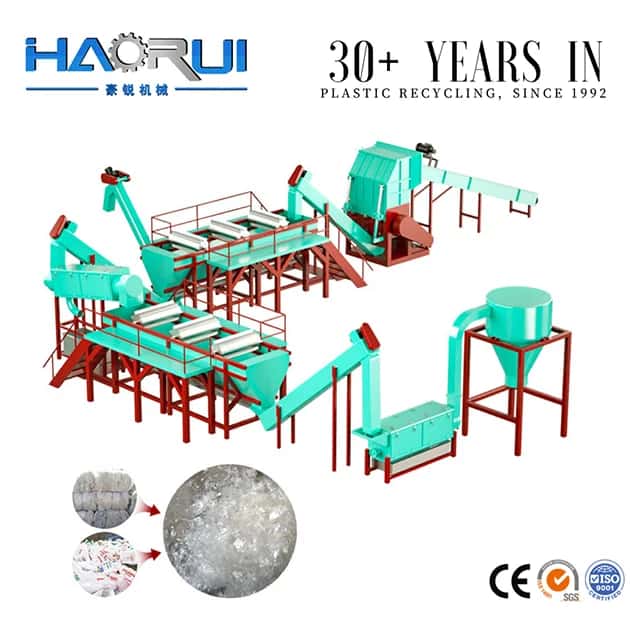
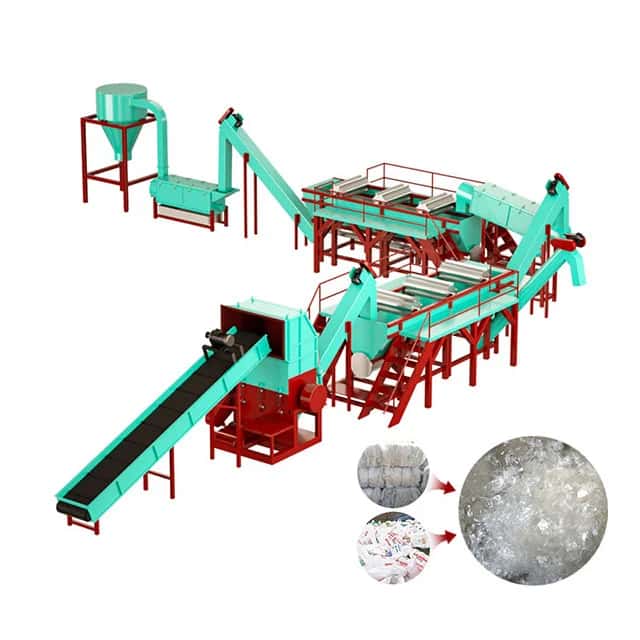
Bag and film cleaning systems are the washing stage of a plastics-recycling line, built to strip dirt, adhesive residue, printed ink, oil, and other contamination from post-consumer and post-industrial plastic scrap before it's re-pelletized. Two related but distinct machine types sit under this category: woven bag cleaning systems, designed for PP woven sacks such as rice bags, cement bags, feed bags, and FIBC/jumbo bags; and film cleaning systems, built for LDPE/LLDPE agricultural film, stretch wrap, and PE/PP packaging film. Woven bags and loose film behave differently in a wash line — bags need more aggressive crushing and de-labeling before washing, while film needs gentler handling to avoid shredding it into unusable fines — so buyers sourcing equipment should be clear on which material stream (or mixed stream) they're processing before specifying a machine.
A typical line runs material through several stages in sequence: a shredder or crusher to reduce bag/film to a workable flake size, magnetic or manual metal removal, a low-speed pre-wash or soak stage to loosen bulk dirt, high-speed friction washing to scrub embedded contamination off the flake surface, a floating/sink separation tank to pull out heavier contaminants (sand, metal fragments, dense polymers) that don't float with PP/PE flakes, and a final dewatering or centrifuge drying stage that brings output moisture down to roughly 3-5%. Some systems add a hot-wash stage specifically for removing printed ink and label adhesive, which cold washing alone often can't fully strip. Output at this stage is clean, dry flake — not pellets — so buyers typically feed it into a separate pelletizing or granulating line to produce sellable resin granules; Baramdat's Pelletizing Lines category covers that next step for anyone building out a full recycling plant.
Buyers evaluating these systems should look past headline throughput (kg/hr) and check a few things that materially affect real-world performance: water consumption per ton processed and whether the system includes water recycling/filtration to reduce fresh-water draw and wastewater discharge; the grade of stainless steel used in tanks and wear parts (SUS 304 is standard for corrosion resistance against washing chemicals); the brand of electrical and control components (Siemens, Schneider, ABB, and Omron are common in this equipment class and generally indicate more reliable long-term parts availability); final flake moisture and cleanliness specification, since that directly determines resale value or usability of the recycled resin; and how many operators the line requires to run, since labor cost is a major factor in recycling-plant economics. Mixed-stream lines that can switch between bag and film processing offer flexibility for smaller operations that don't have volume to dedicate separate machines to each material.
This is capital equipment in the tens of thousands of dollars per unit, so procurement usually involves site-specific engineering (local water/electrical supply, wastewater regulations, available floor space and hopper feed height) rather than an off-the-shelf purchase — buyers should expect to discuss configuration directly with the supplier before finalizing an order.


