



baramdat logo

Plastic Pelletizing Lines for Recycling & Compounding

Source plastic pelletizing lines for PP, PE, and recycled plastic processing from verified global suppliers. Compare capacity, screw configuration, and pricing on Baramdat.

  • 1-1 of 1 items
  • 1

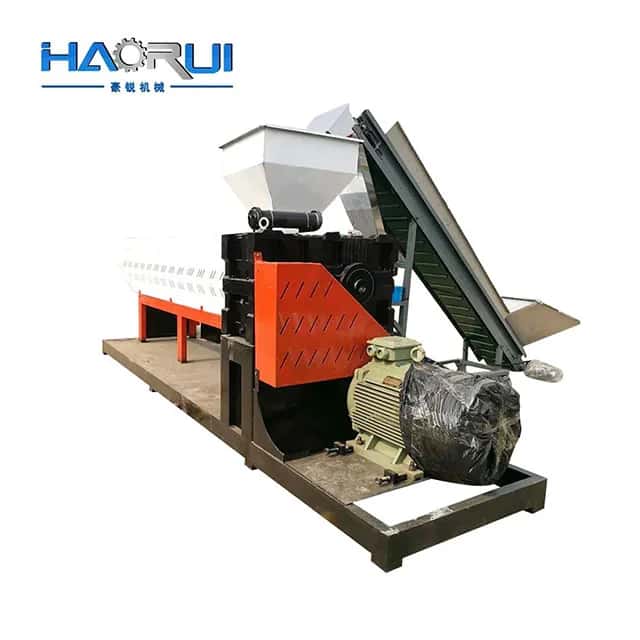
A plastic pelletizing line converts plastic waste — film, flakes, regrind, or mixed scrap — into uniform pellets that can be re-melted and re-shaped into new products. The process runs the feedstock through an extruder, where a rotating screw melts and homogenizes the material, pushes it through a filtration screen to strip out contaminants, and forces it through a die head into strands or an underwater cutting chamber that shapes it into consistent pellet form. What separates one pelletizing line from another — and what buyers on this page are typically comparing — comes down to a handful of configuration choices.


Single-screw vs. twin-screw. Single-screw extruders are the standard for straightforward PP/PE film and flake recycling, where the input material is relatively clean and consistent. Twin-screw configurations are built for compounding — blending in fillers, colorants, or additives, or processing more difficult, contaminated, or high-moisture waste streams — because the intermeshing screws give far better mixing and devolatilization.


Degassing and venting. Waste plastic, especially washed film or agricultural scrap, carries trapped moisture and volatiles. A single-vent line handles moderately dry material; a double-vent (or vacuum-vented) configuration is what's needed for wet, printed, or laminated film where moisture and ink residues would otherwise show up as bubbles, streaks, or odor in the finished pellet. Buyers sourcing a line to process washed PET flake, multilayer film, or agricultural mulch film should confirm vent count before anything else.

Pelletizing method. Strand pelletizing (extrude into strands, water-cool, then cut) is common for lower-throughput or compounding lines. Water-ring and underwater pelletizing systems cut the melt directly at the die face, which produces a more uniform, dust-free pellet at higher line speeds and is generally preferred for high-volume PP/PE recycling operations.


Throughput and footprint. Capacity is usually quoted in kg/hr, and lines on the market span a wide range — from smaller single-screw units suited to a modest recycling operation up to multi-ton-per-hour systems for large-scale industrial recyclers. Throughput, along with screw diameter and L/D ratio, drives both machine footprint and power draw, so buyers should size a line to actual feedstock volume rather than defaulting to the largest available unit.


Feedstock type matters more than it seems. A line tuned for clean, dry PP/PE film will underperform — or clog — if fed mixed, wet, or fiber-contaminated waste. Buyers processing PET bottle flake, agricultural film, woven sack waste, or mixed municipal plastic scrap should look specifically for lines built or configurable for that input, not assume any pelletizing line handles any feedstock.


Automation and control. PLC-based control of screw speed, melt temperature zones, and screen-changer operation (manual, hydraulic, or continuous) affects both pellet consistency and how much operator oversight the line needs day to day — an increasingly common differentiator between older mechanical lines and newer automated ones.


For plastics recyclers, compounders, and manufacturers looking to bring pellet production in-house rather than buying resin on the open market, matching machine configuration to actual feedstock and throughput needs is the single biggest factor in getting a workable, cost-effective line.

Frequently Asked Questions

What is a plastic pelletizing line used for?
It converts plastic waste — film, flakes, or regrind — or virgin resin into uniform pellets that can be fed directly into injection molding, extrusion, or blow molding processes, making recycled or compounded material usable again in manufacturing.
What's the difference between an extruder and a pelletizing line?
The extruder is one component within a pelletizing line — it melts and pushes the plastic through the die. The full line adds the filtration, cooling, and cutting stages needed to turn that melt into finished, uniform pellets.
Can one line process both PP and PE waste?
Many single-screw lines handle both PP and PE, since they melt at broadly similar temperature ranges, but the exact screw design, temperature profile, and screen configuration should be matched to the specific resin mix a buyer plans to run.
Do pelletizing lines handle plastic film, or only flakes and regrind?
Film requires a different feed and compaction setup than flakes or regrind, since low-bulk-density film needs to be compacted or force-fed into the extruder before it will melt consistently — buyers processing film waste should confirm the line includes a compactor or crammer feeder.
Is a pelletizing line the same as a washing line?
No — a washing line cleans and dries flake or film before it reaches the extruder; the pelletizing line is the downstream stage that melts, filters, and cuts that already-clean material into pellets. Buyers processing contaminated waste typically need both.
Are these lines used for recycling only, or also for producing virgin/compounded pellets?
Both. The same core extrusion-and-pelletizing process is used to recycle waste plastic into reusable pellets and to compound virgin resin with fillers, colorants, or additives into new pellet formulations — the configuration (especially single- vs. twin-screw) differs by application.