


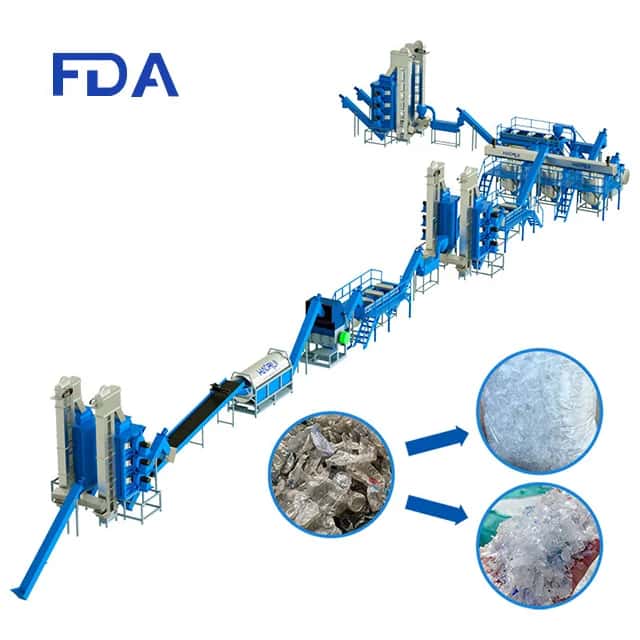
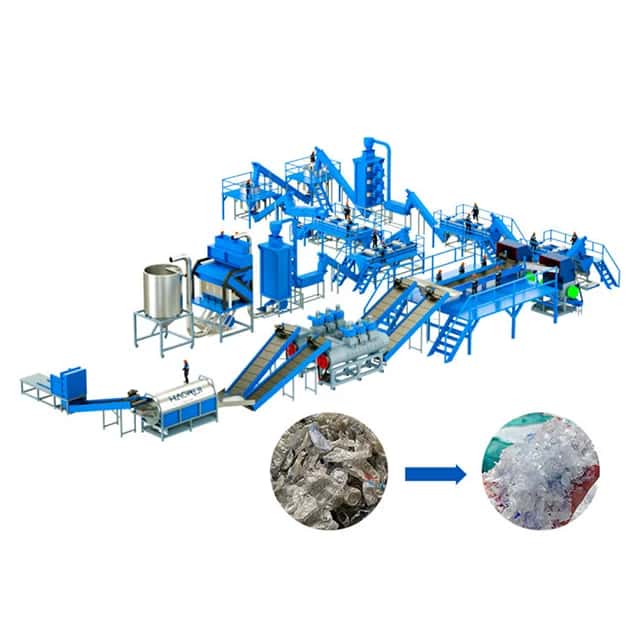
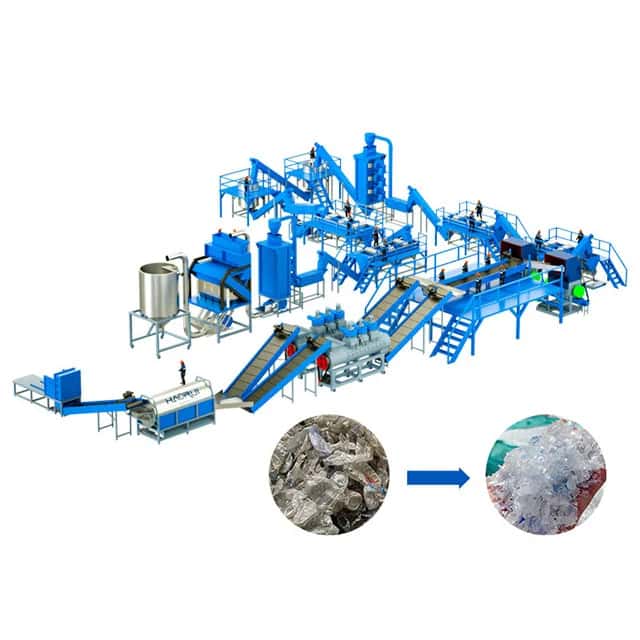
What's the difference between a PET bottle washing line and a plastic pelletizing line?
A washing line cleans and processes raw plastic waste (bottles, film, or woven bags) into clean flake or shred. A pelletizing line takes that flake as feedstock and melts/extrudes it into uniform pellets ready for manufacturing use — they're sequential stages, not interchangeable equipment.
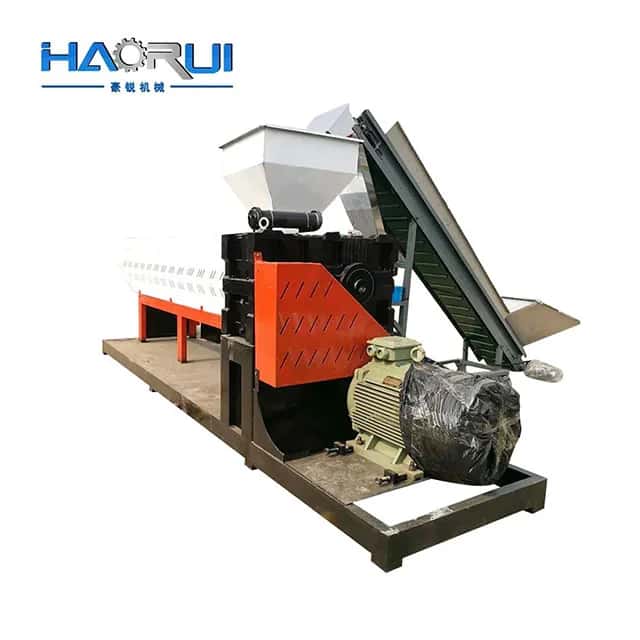
Can PP and PE plastics be processed on the same pelletizing line?
Many pelletizing lines can run both PP and PE with screen or die adjustments, but throughput and pellet consistency can differ between the two resins. Confirm compatibility for your specific resin mix directly with the supplier rather than assuming full interchangeability.
What does 'fibre-grade' PET output mean?
Fibre-grade refers to washed PET flake clean enough for applications like polyester fibre and strapping, as opposed to the higher-purity bottle-grade flake required for food-contact packaging. It's a lower purity bar and generally a less complex (and less expensive) washing process.
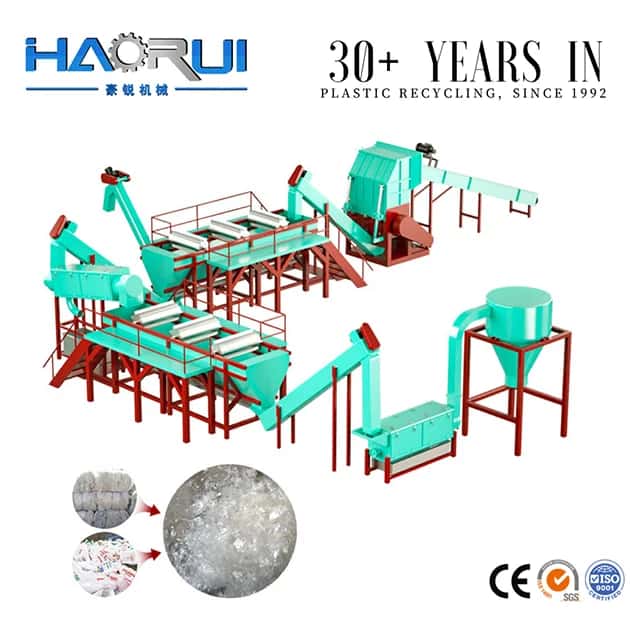
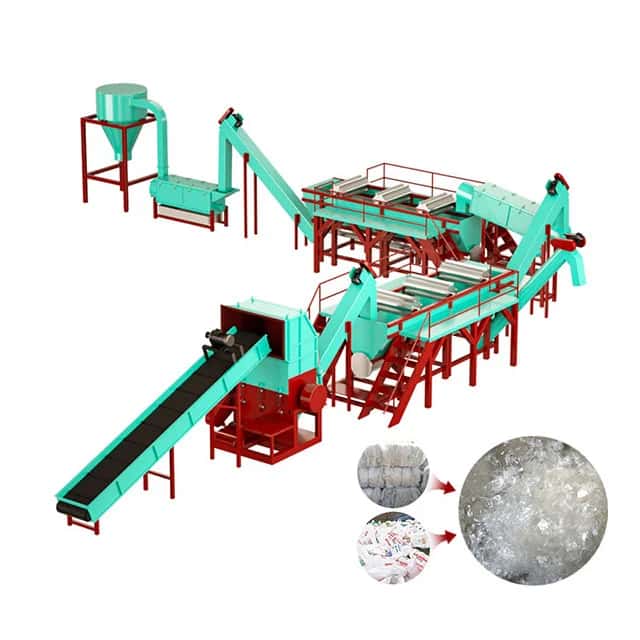
What feedstock do woven bag cleaning systems handle?
These systems are built for used woven polypropylene sacks (agricultural, feed, cement, and industrial packaging bags) and plastic film — material that typically carries more surface contamination than clean bottle waste and needs a shredding-plus-wash stage before it can be pelletized.
What should I check before buying a recycling line at scale?
Rated throughput (kg/hr or ton/hr), power consumption, water usage and treatment/recycling capability, automation level, and compatibility with your actual feedstock type and volume — these vary significantly between suppliers and matter more than headline price.