
By Muhammad Umar - 16 April 2026 · 9 min read
Best Leather Products Manufacturers in Pakistan for 2026
The best leather product manufacturers in Pakistan with detailed insights on quality, sourcing, pricing, and export capabilities.
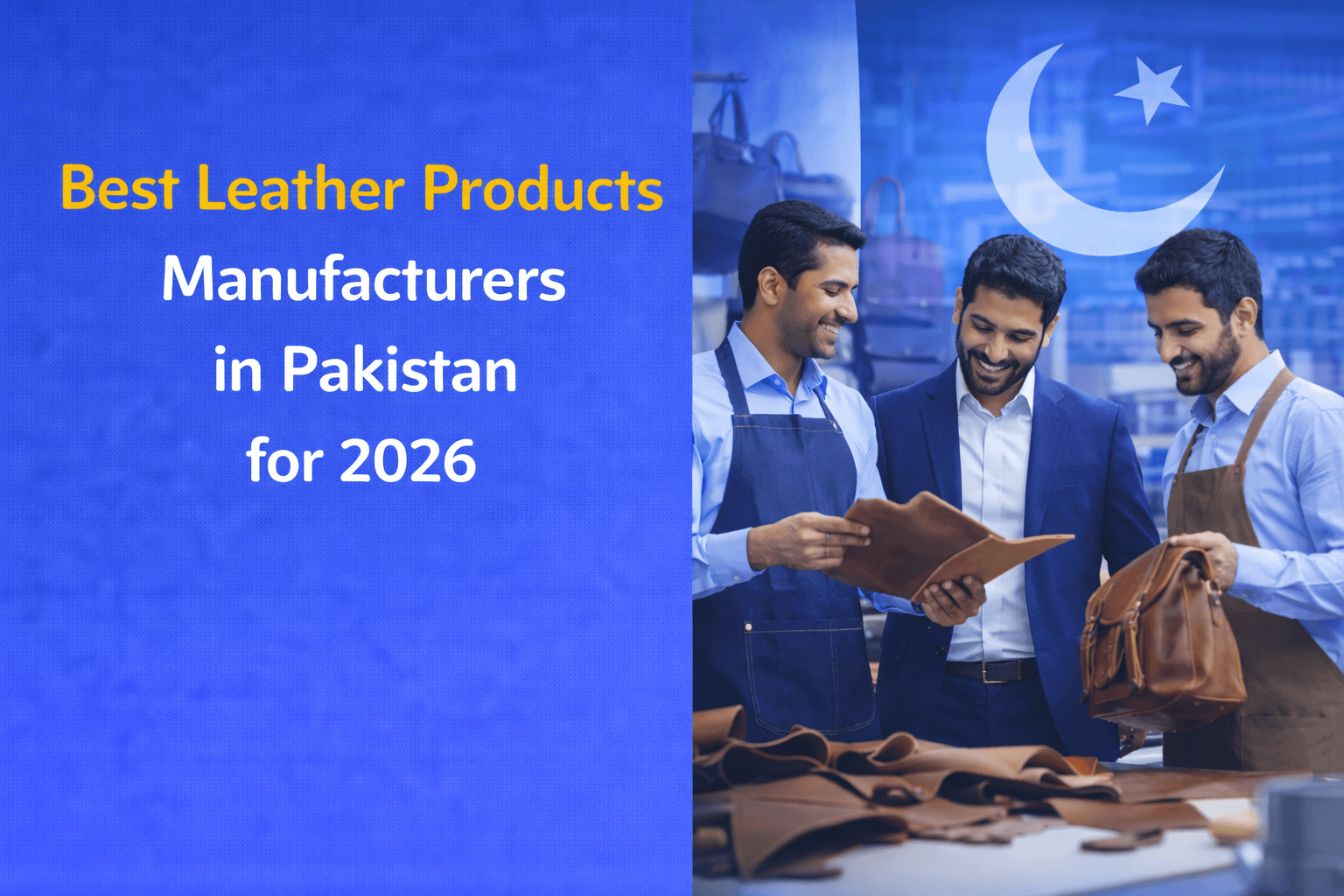
Pakistan’s leather industry is one of the most established parts of its manufacturing economy, but it is often misunderstood by buyers approaching it for the first time.
On the surface, it looks straightforward. There are hundreds of leather product manufacturers offering jackets, bags, gloves, and accessories at competitive prices. But once you start sourcing, the differences between manufacturers become clear very quickly.
Related products

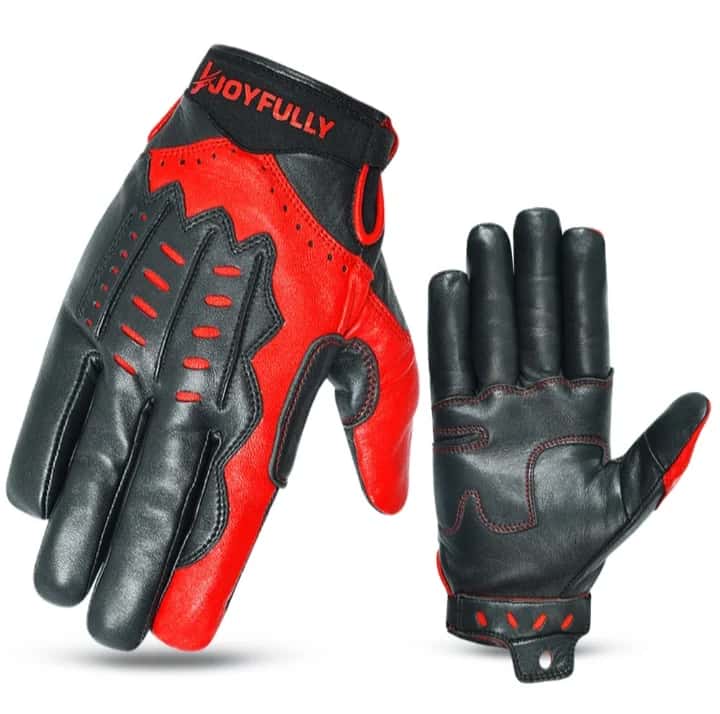
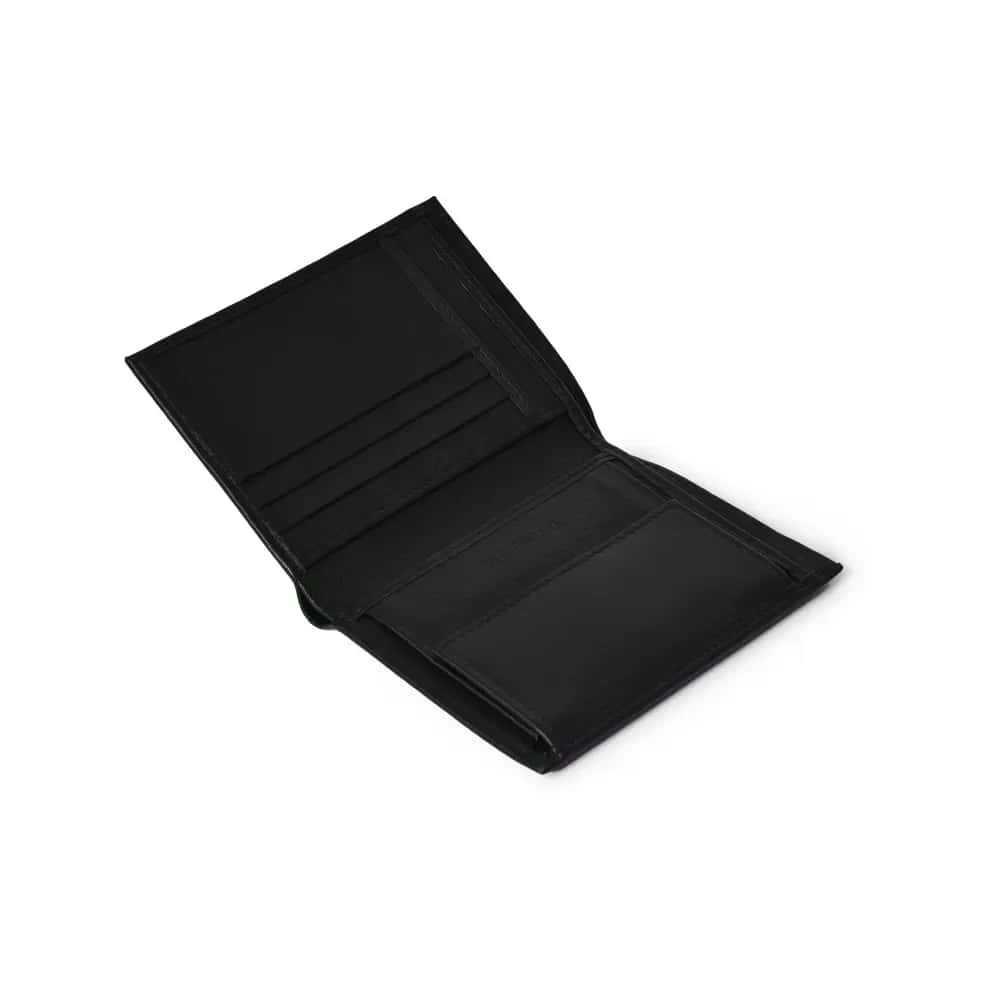
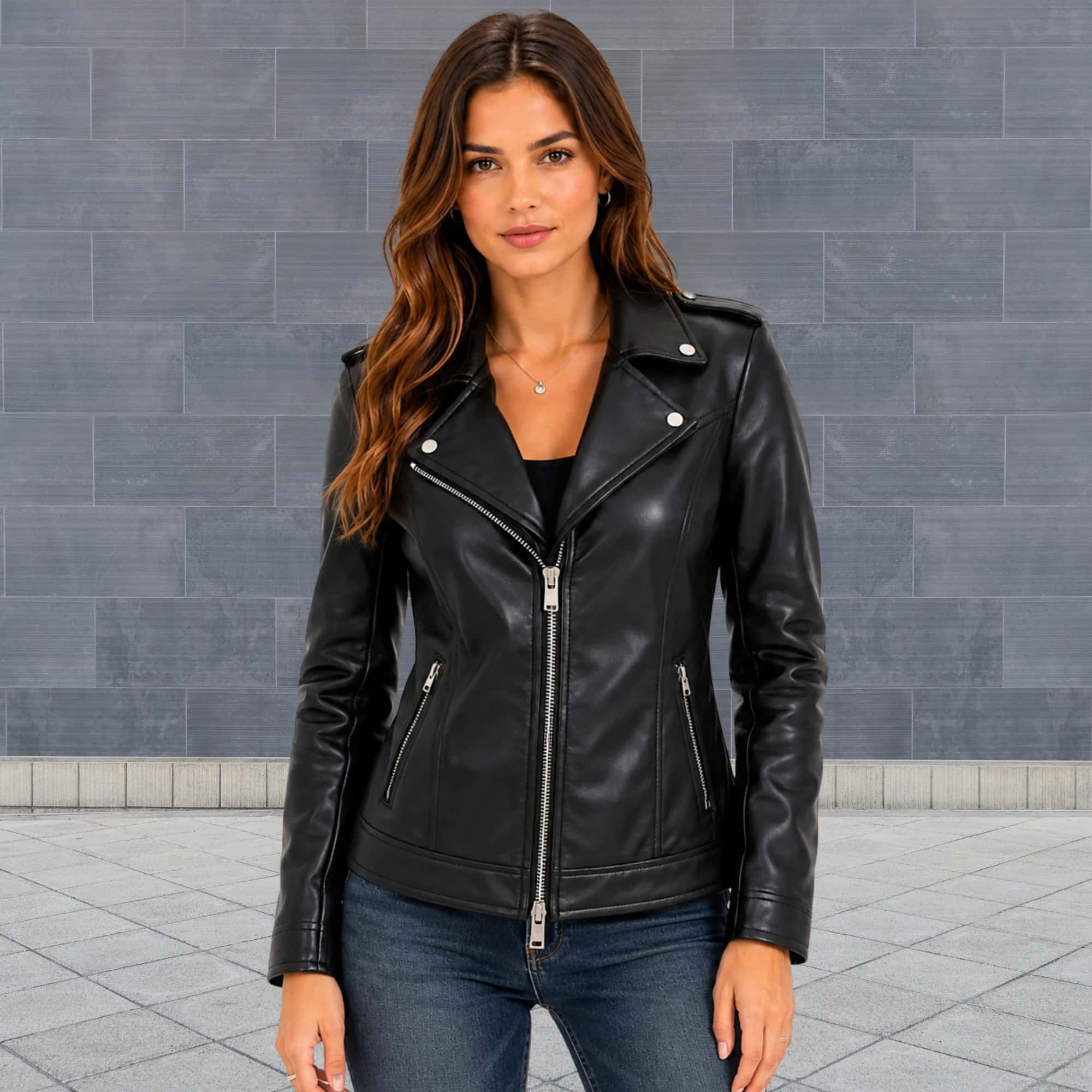
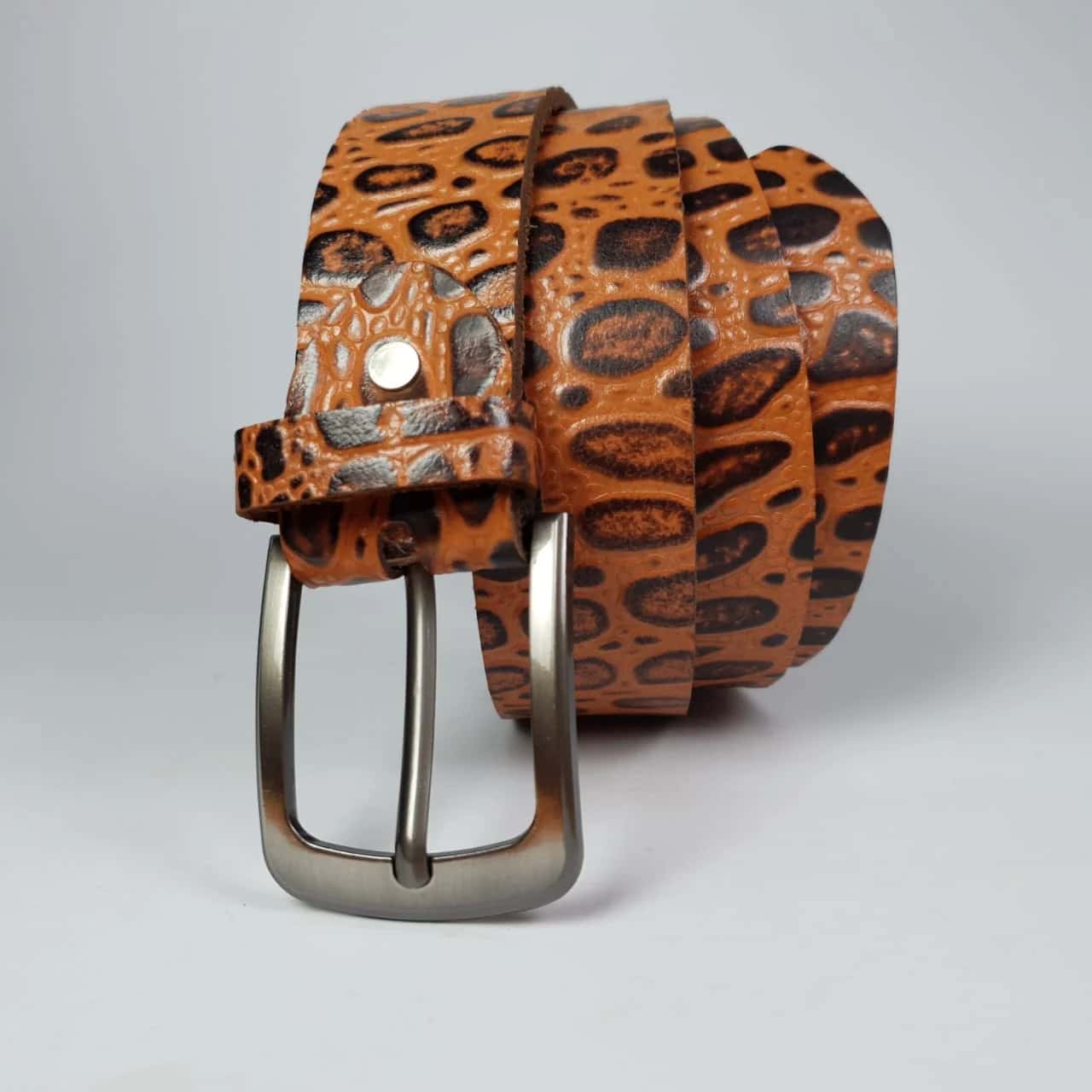
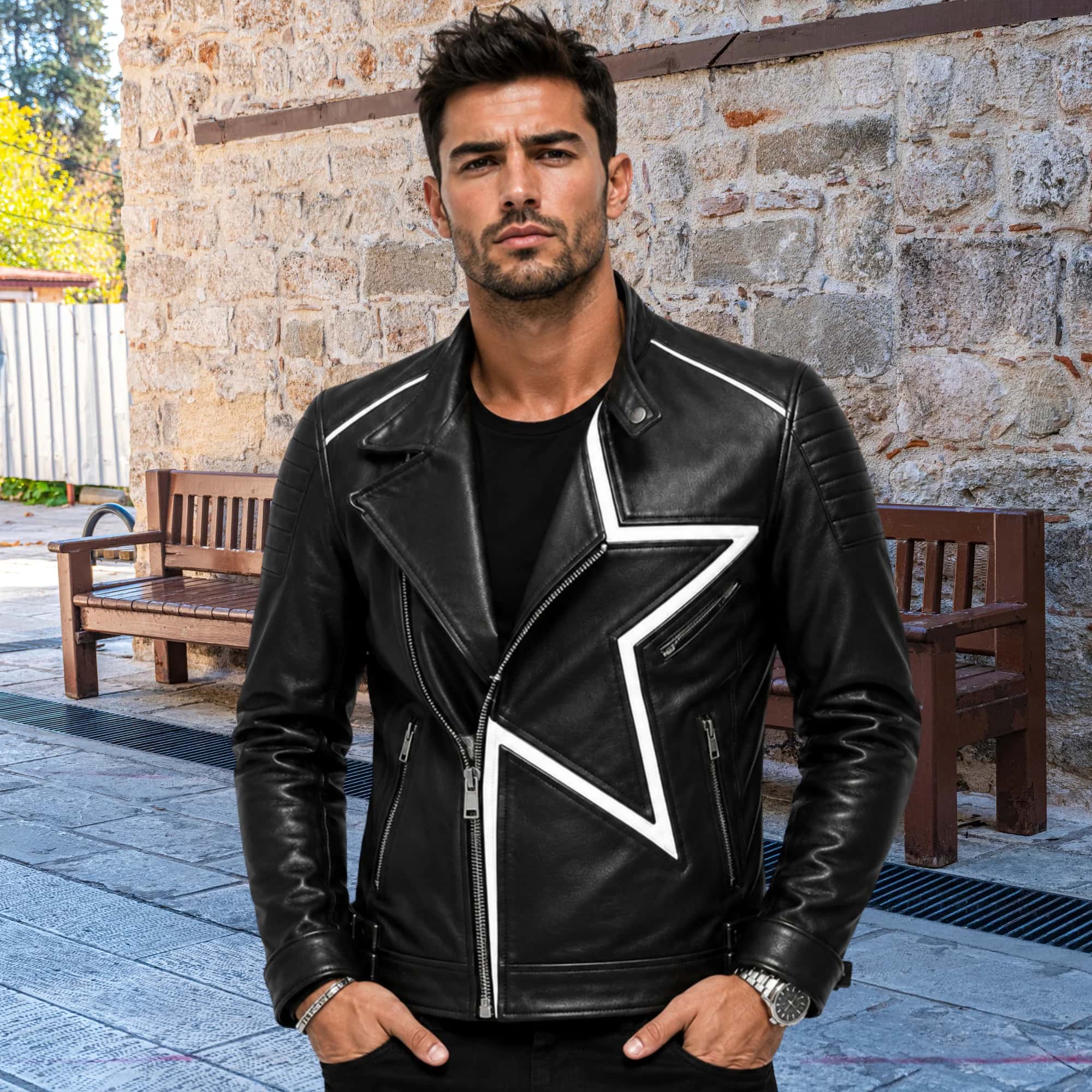

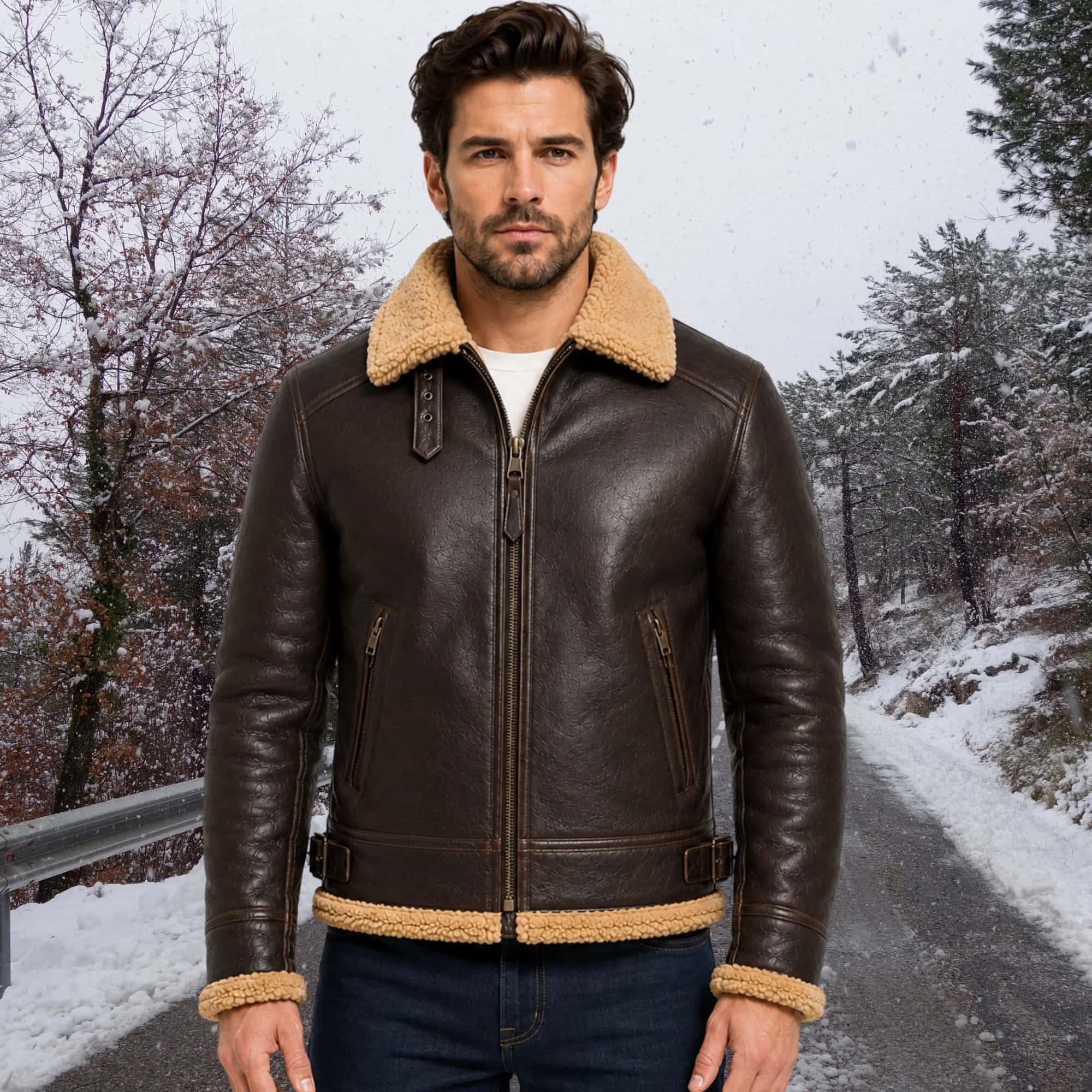

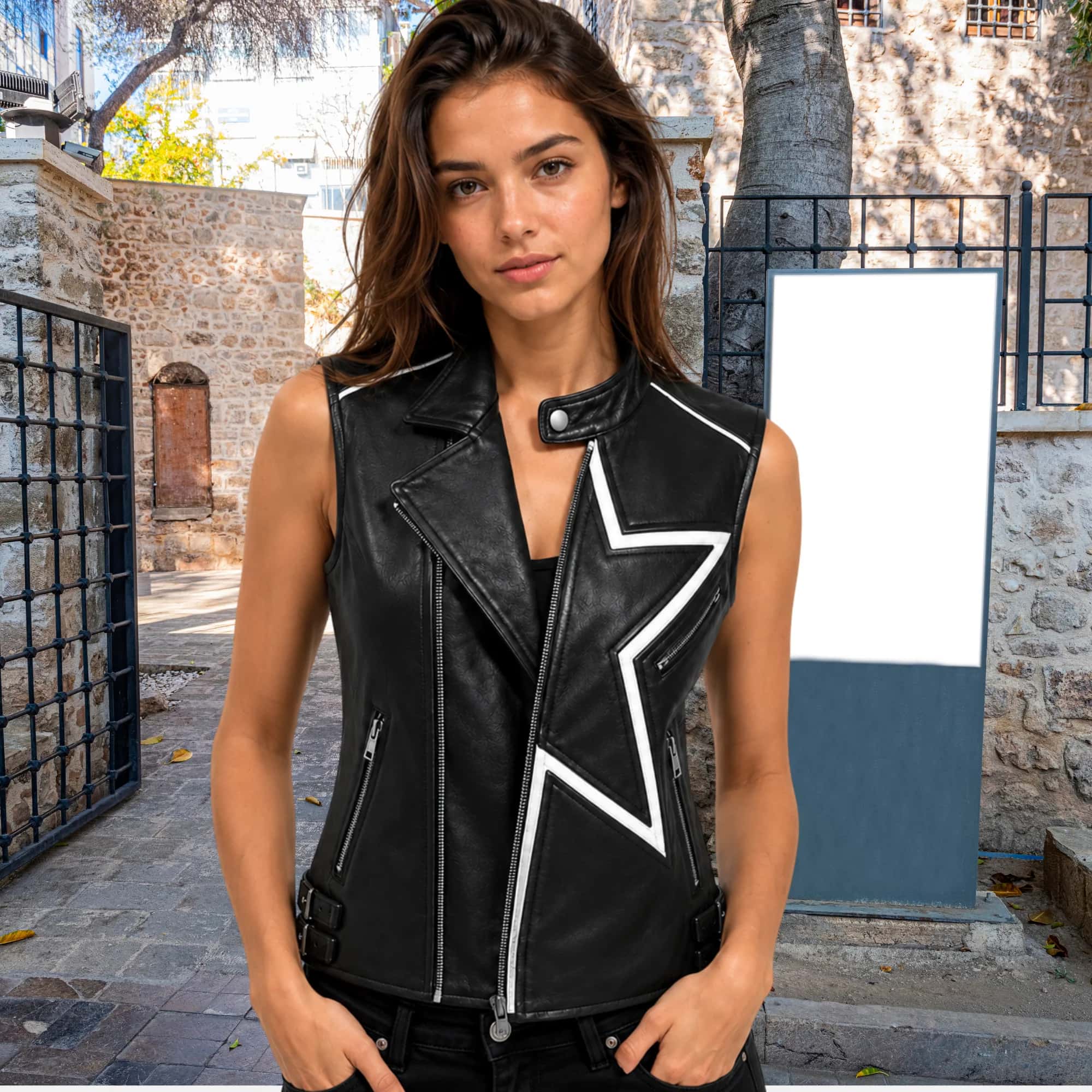
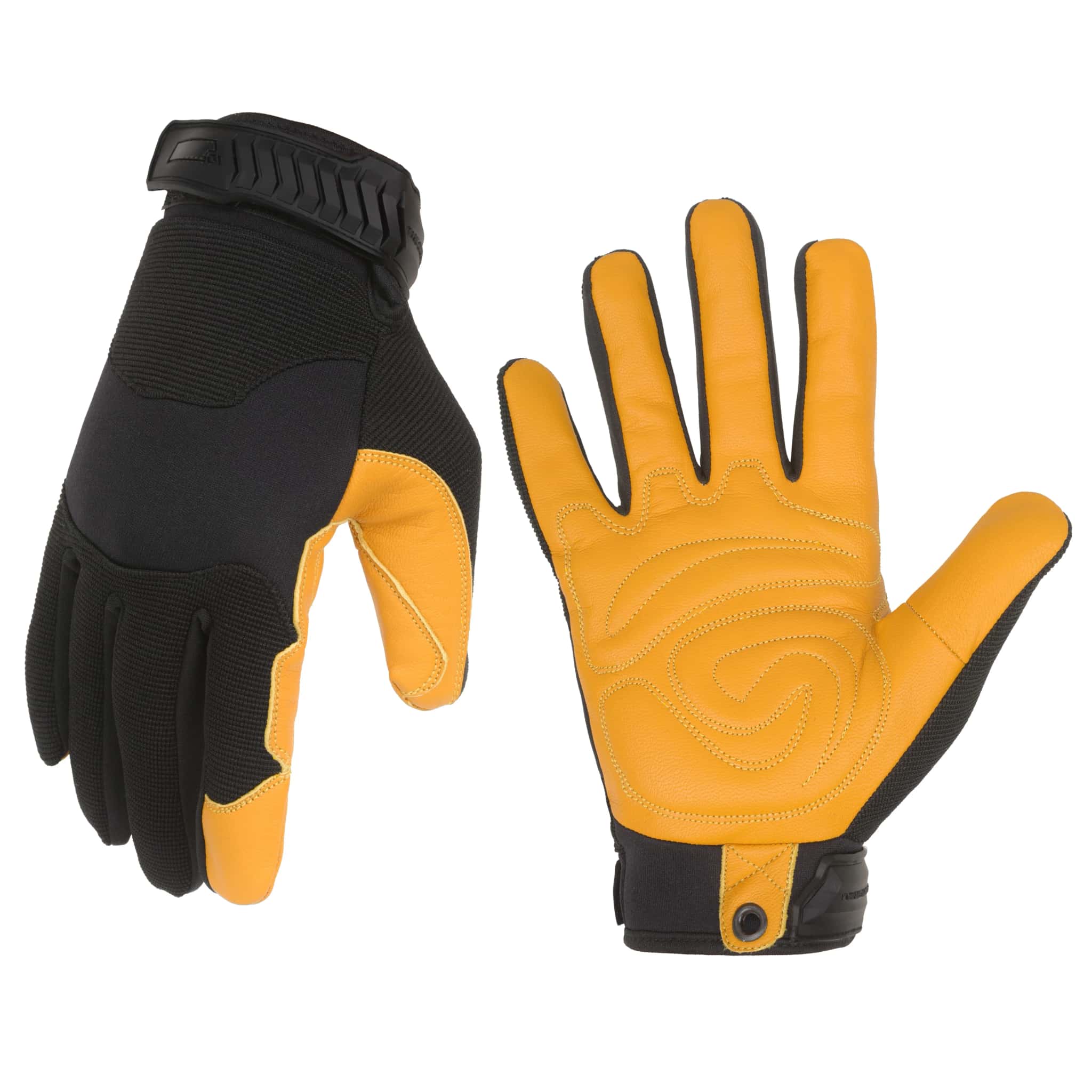
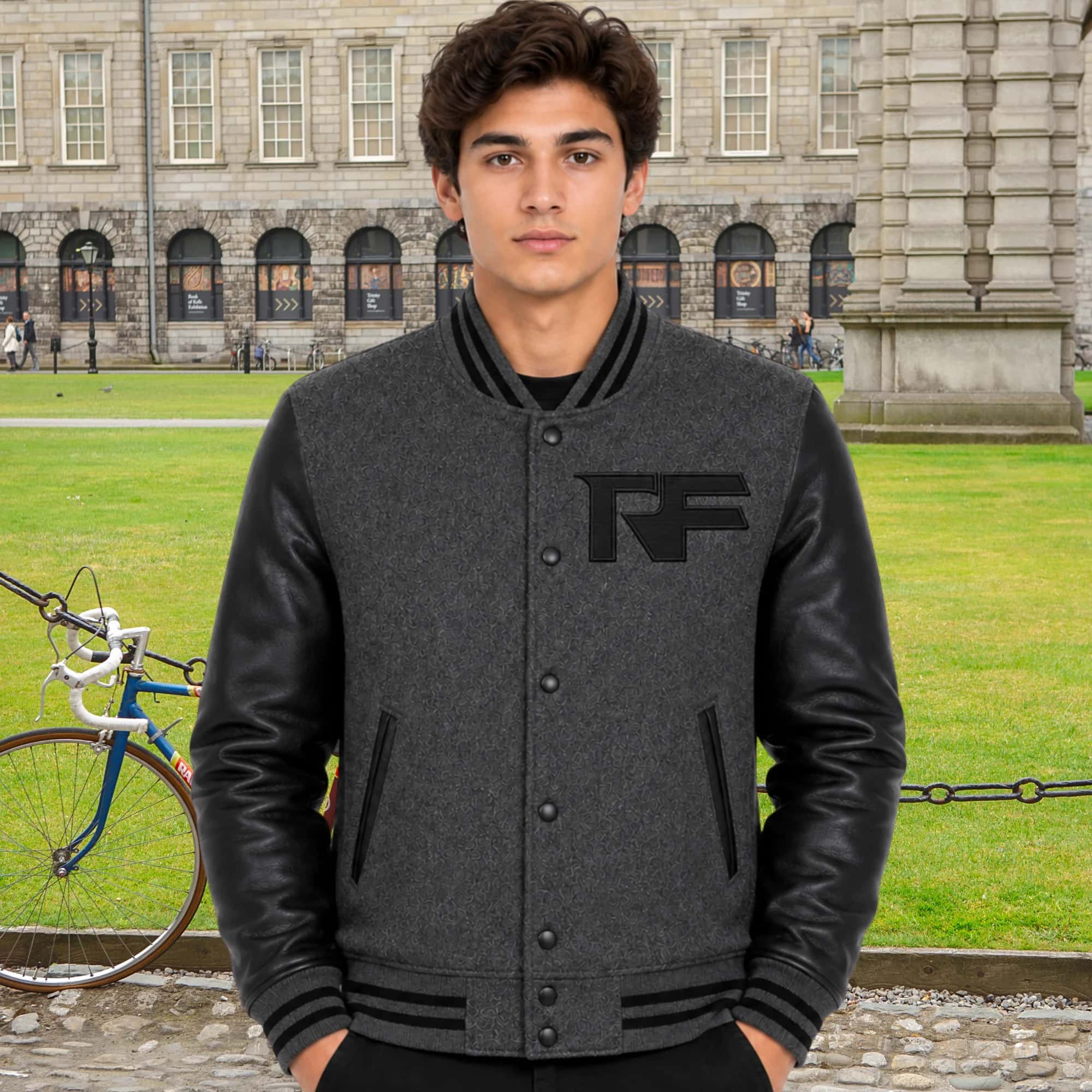
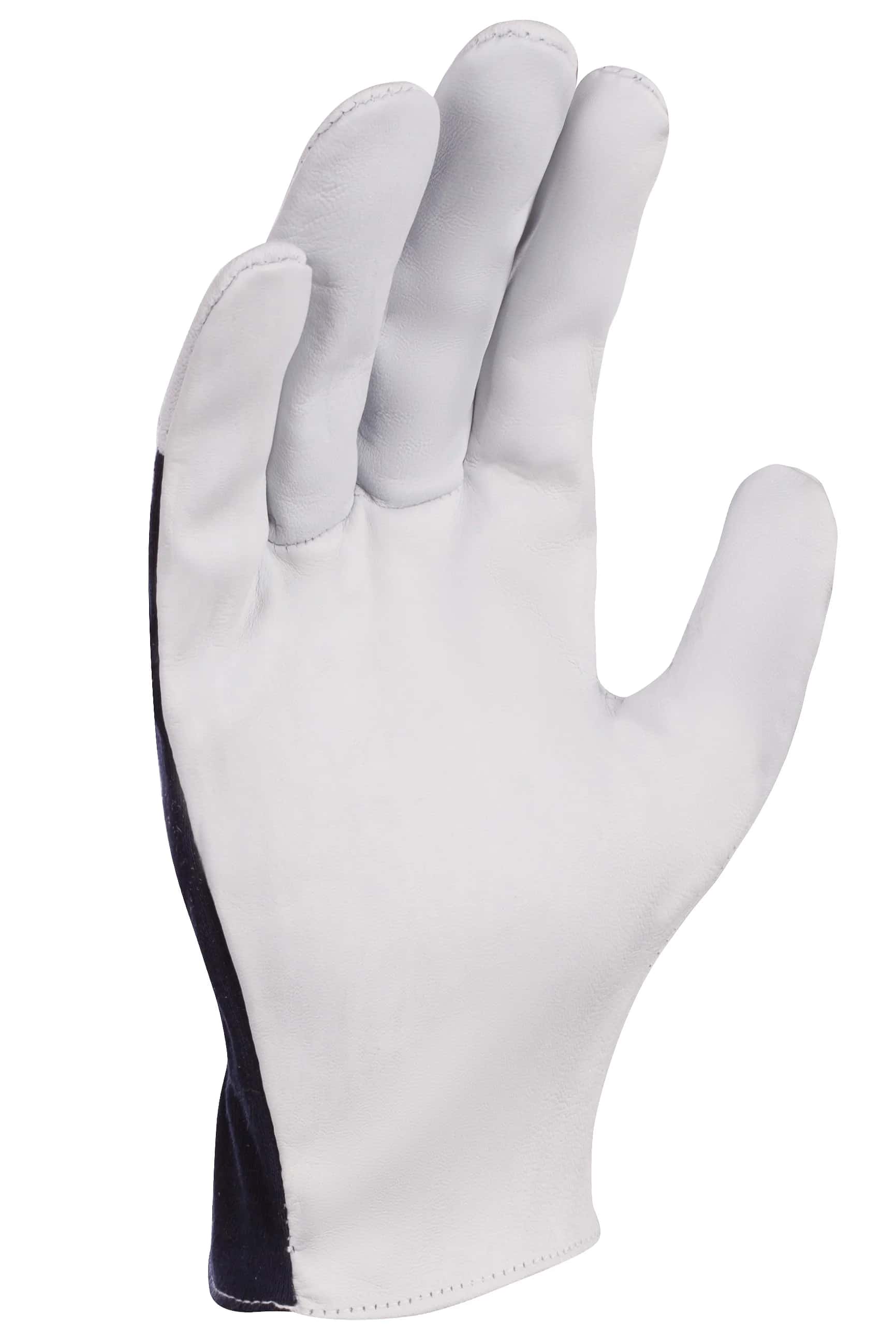
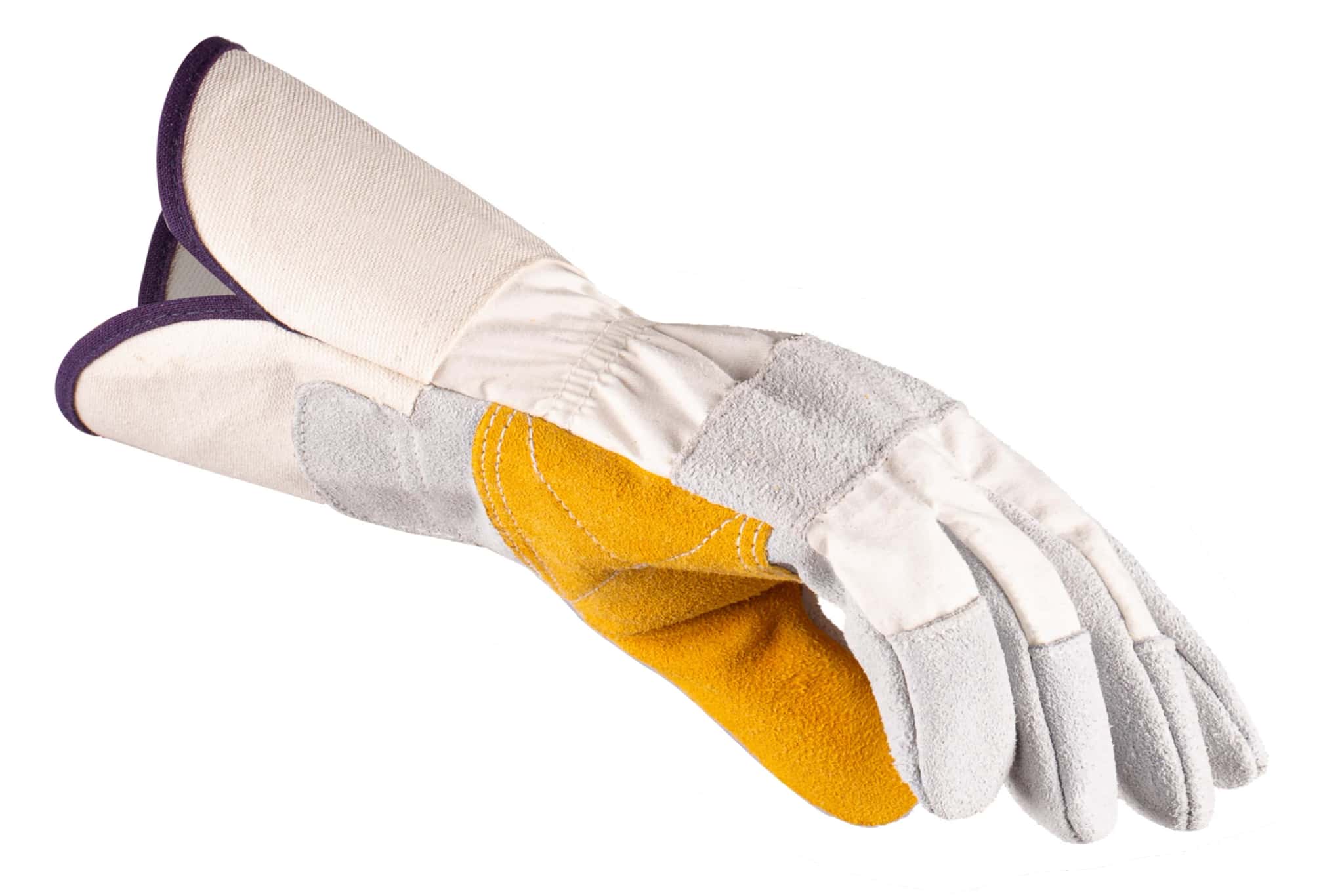
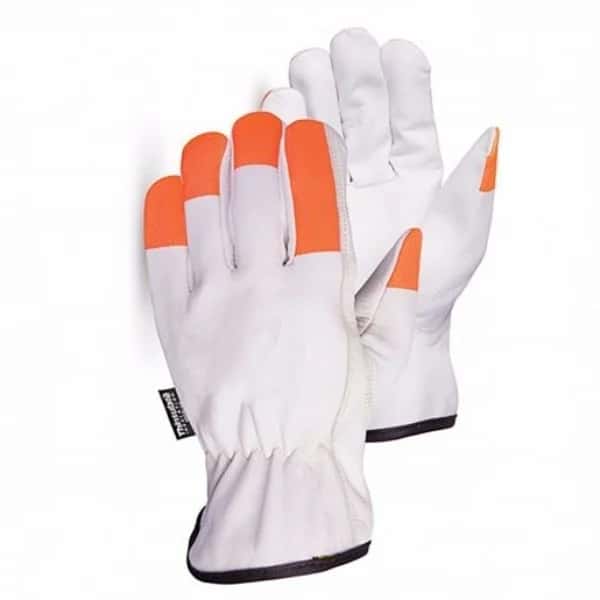
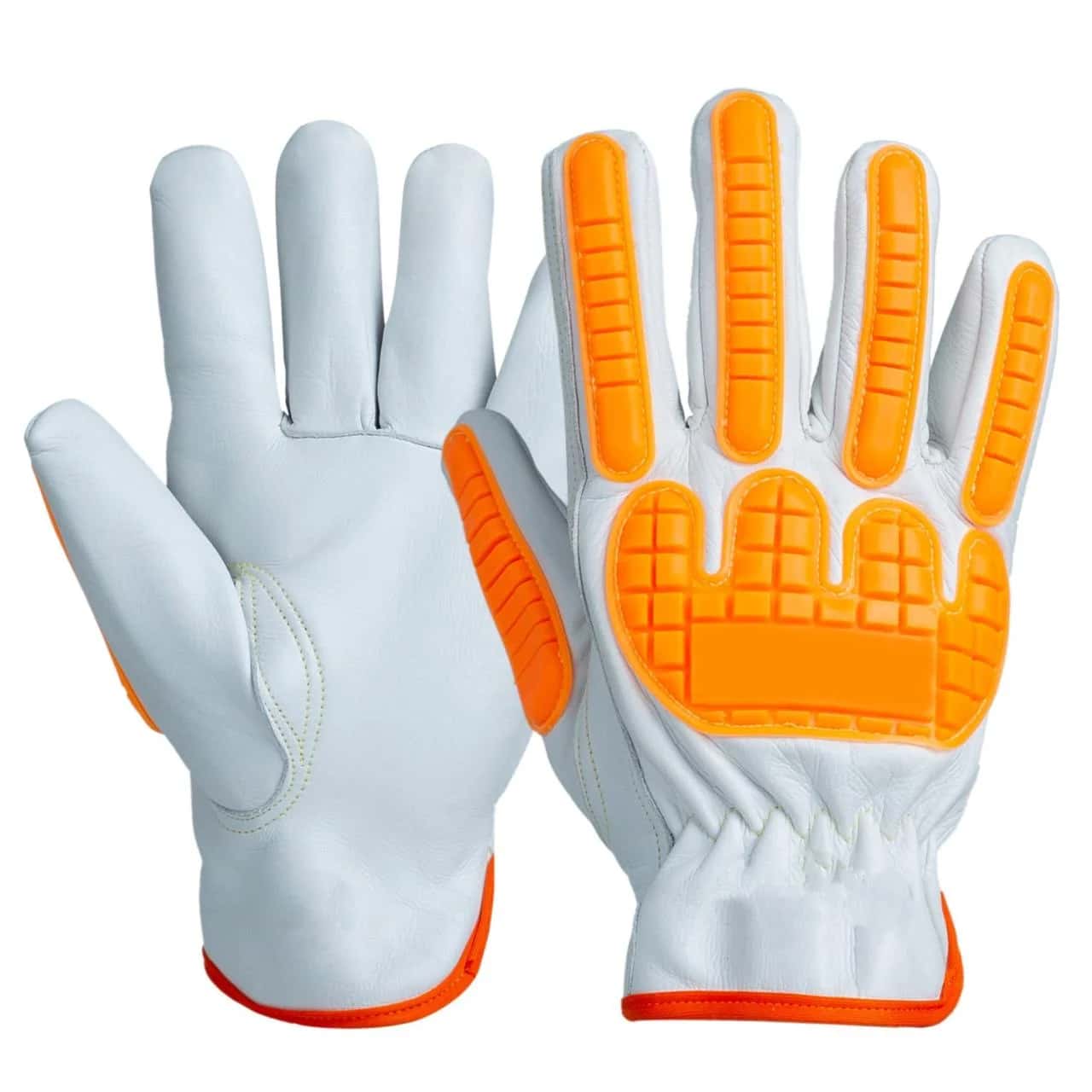
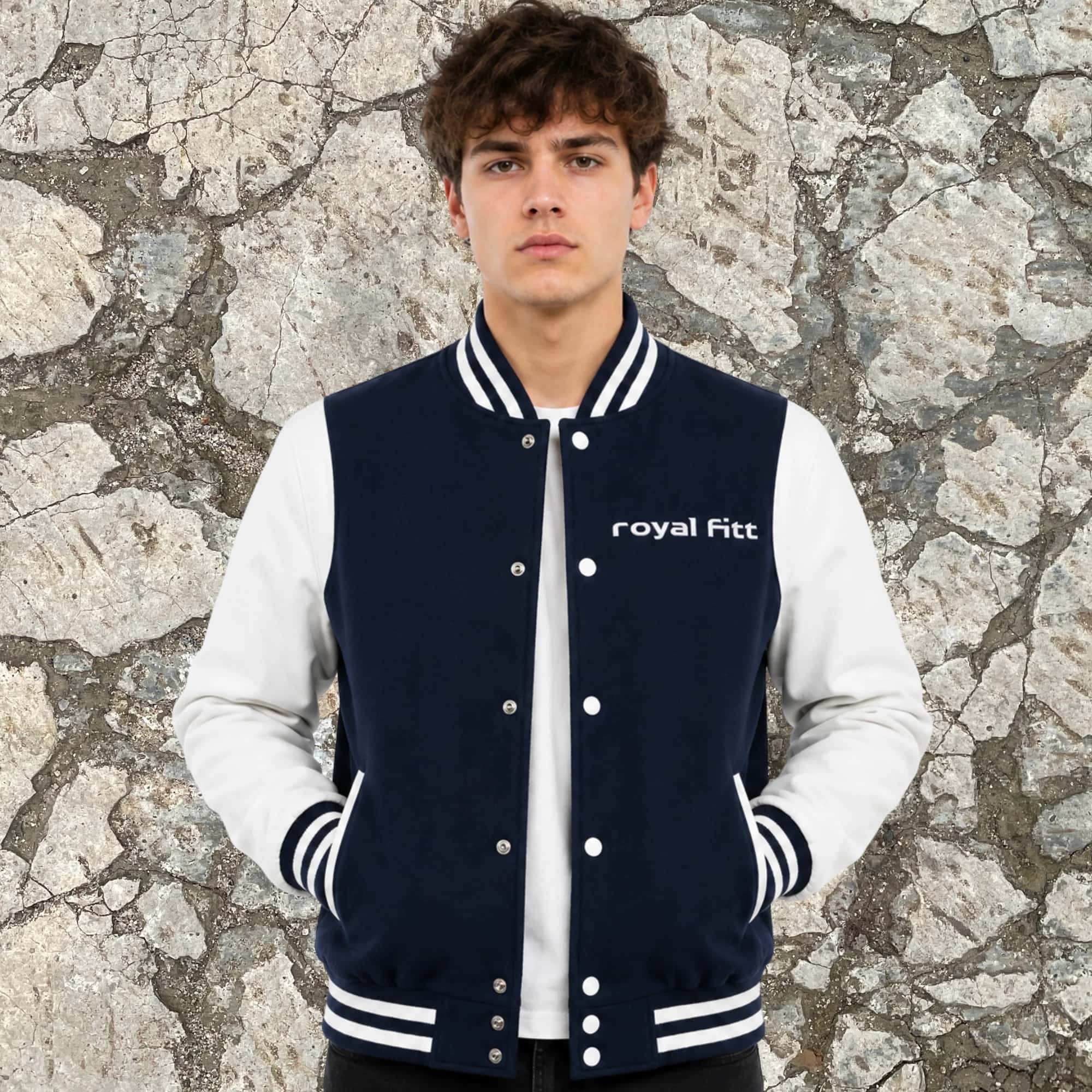
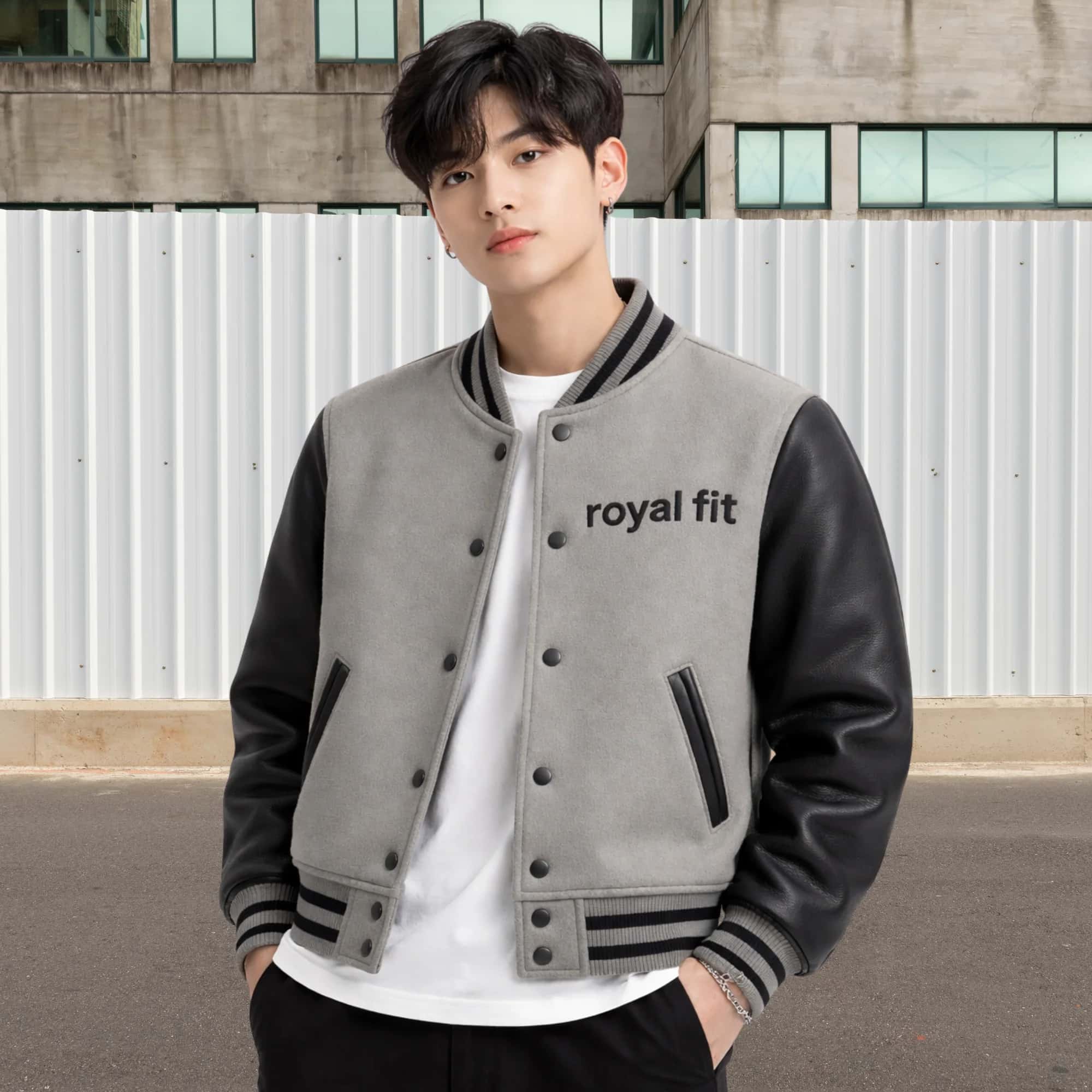
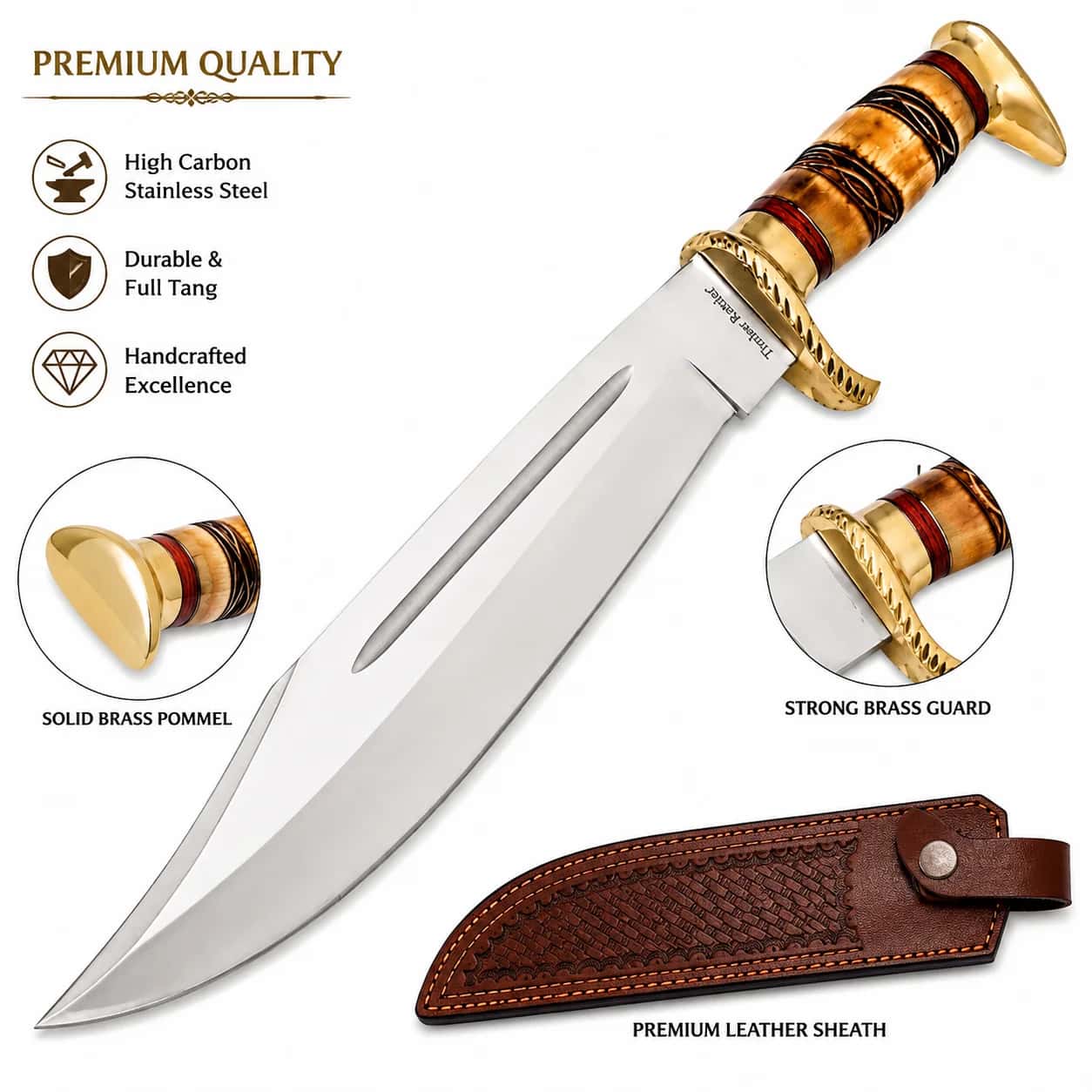
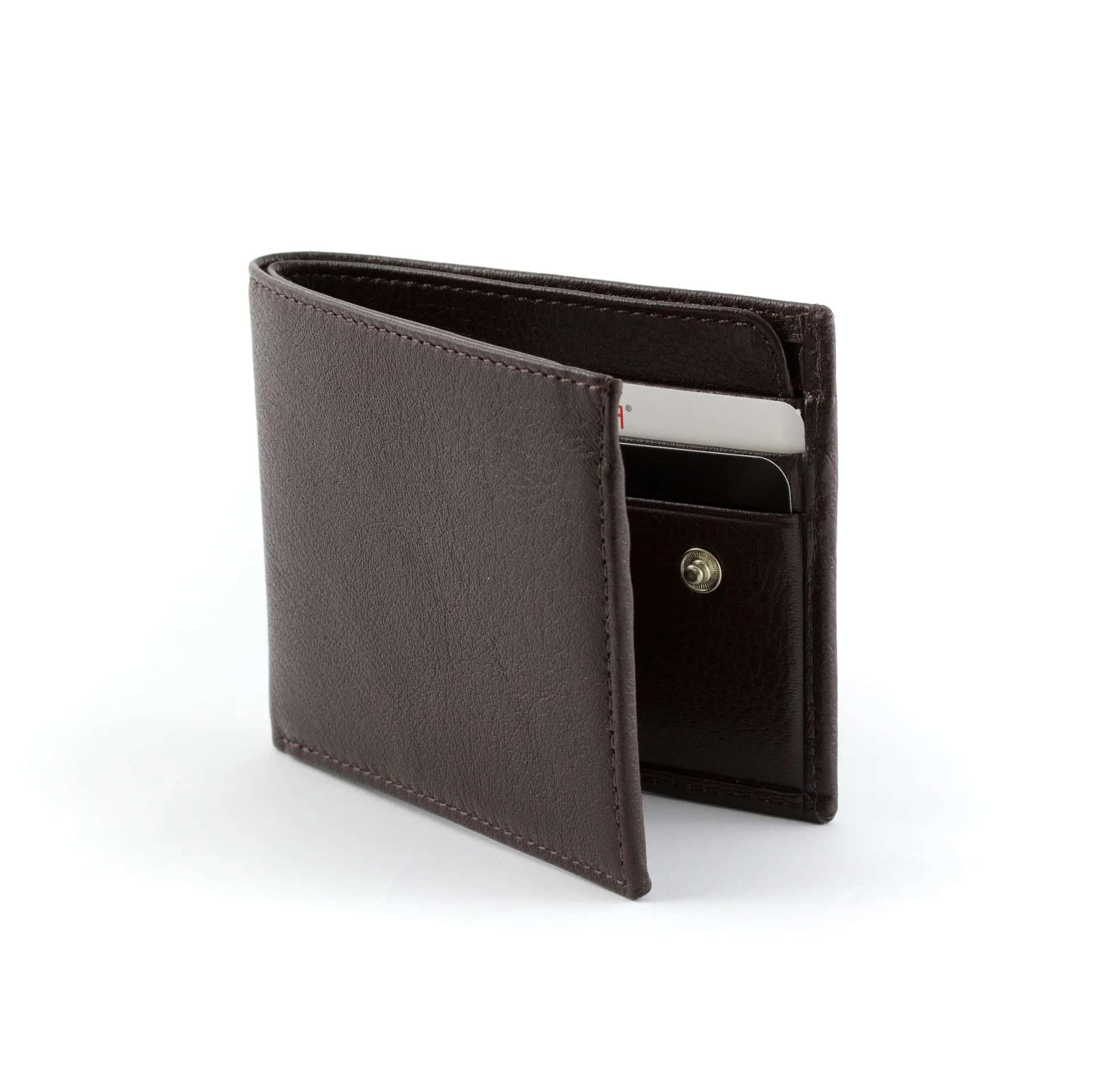
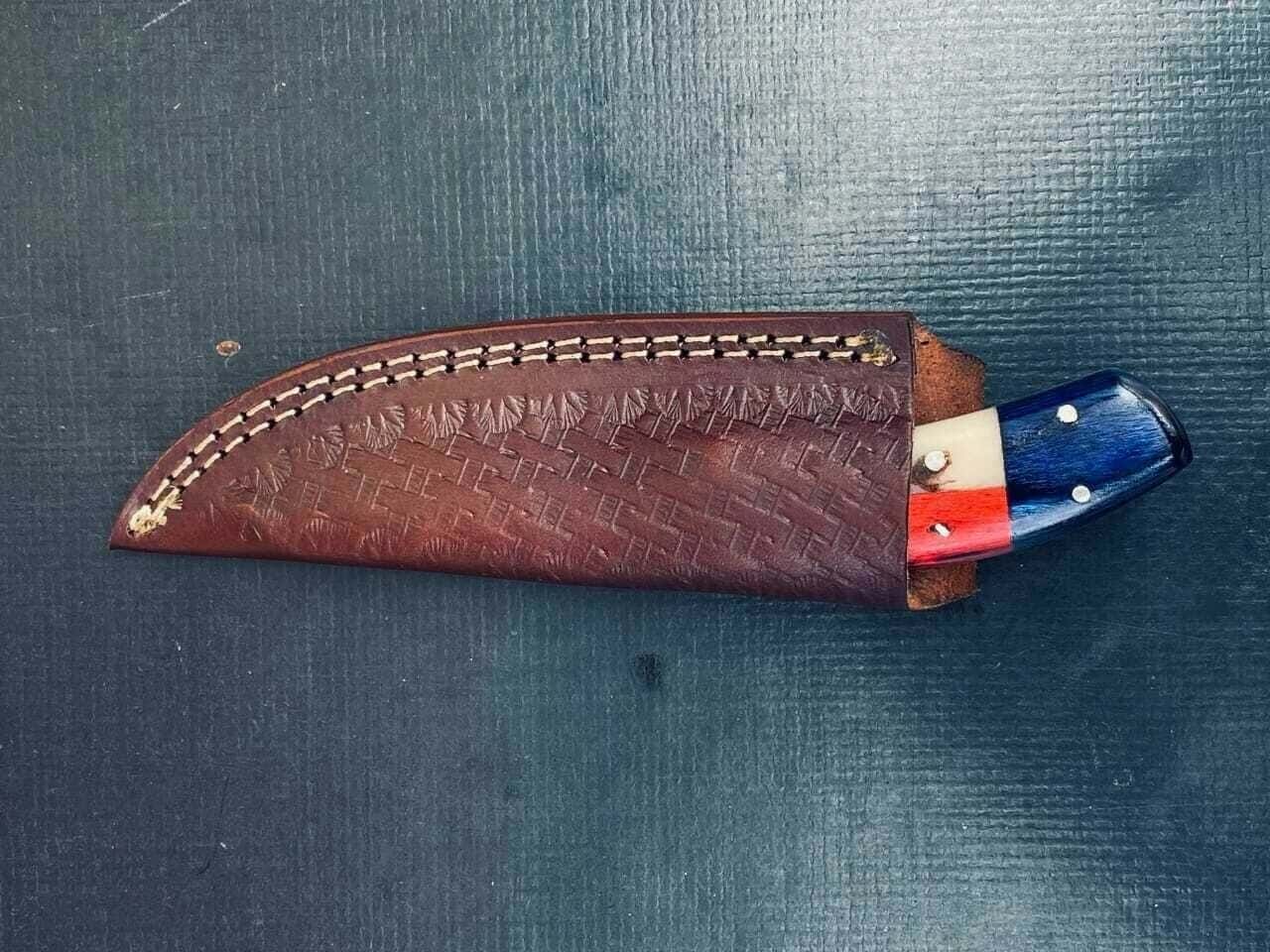
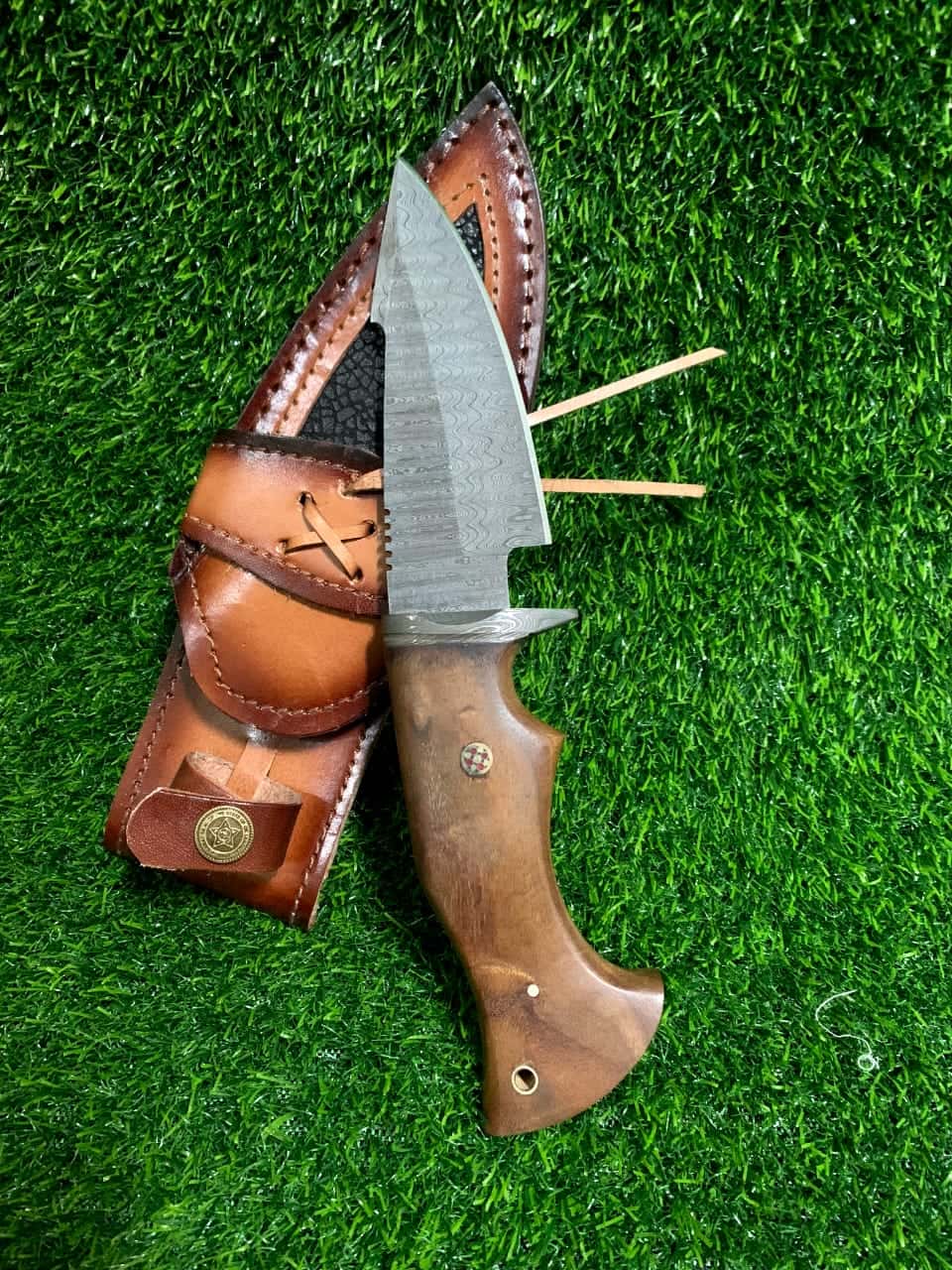
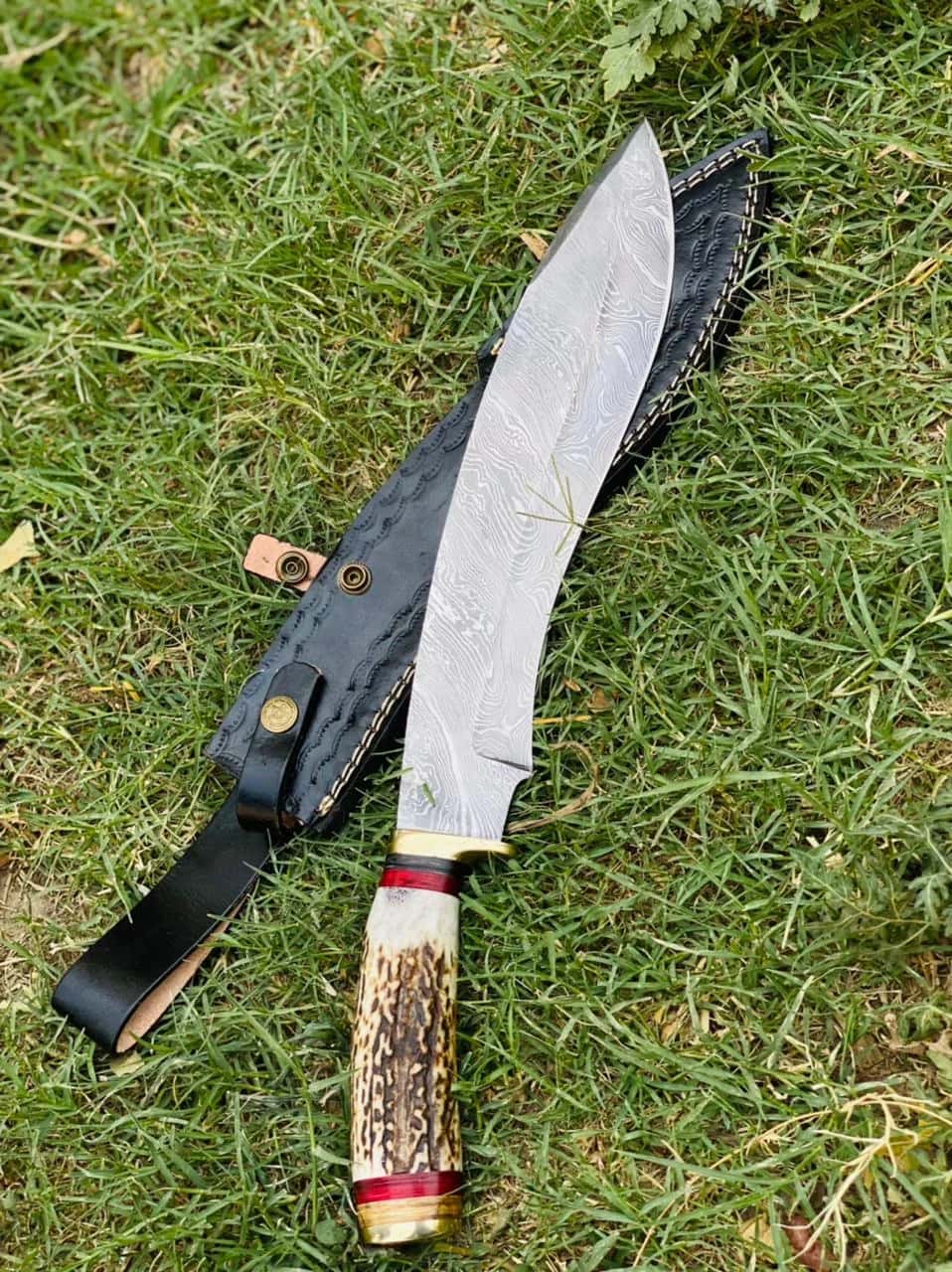
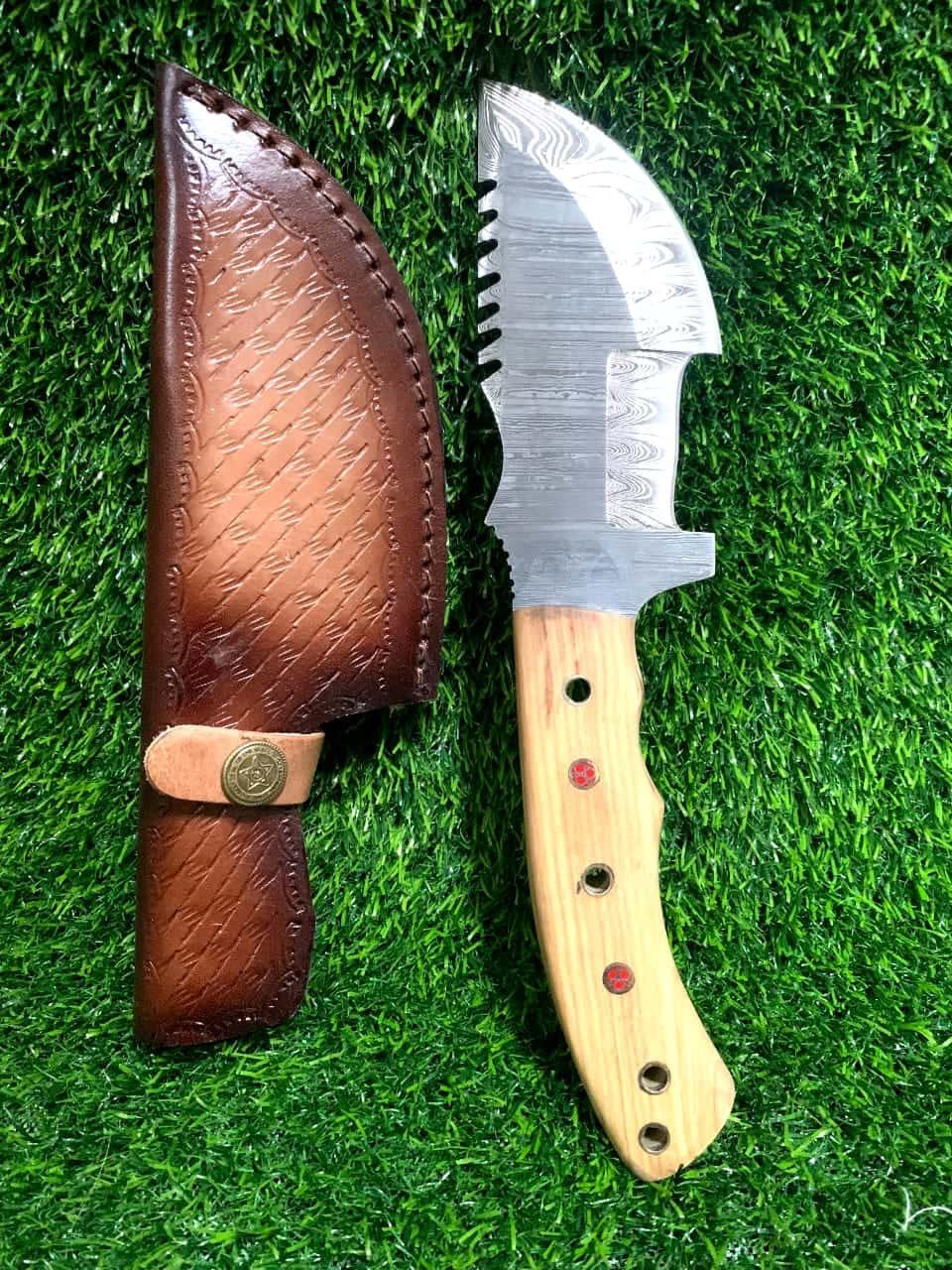
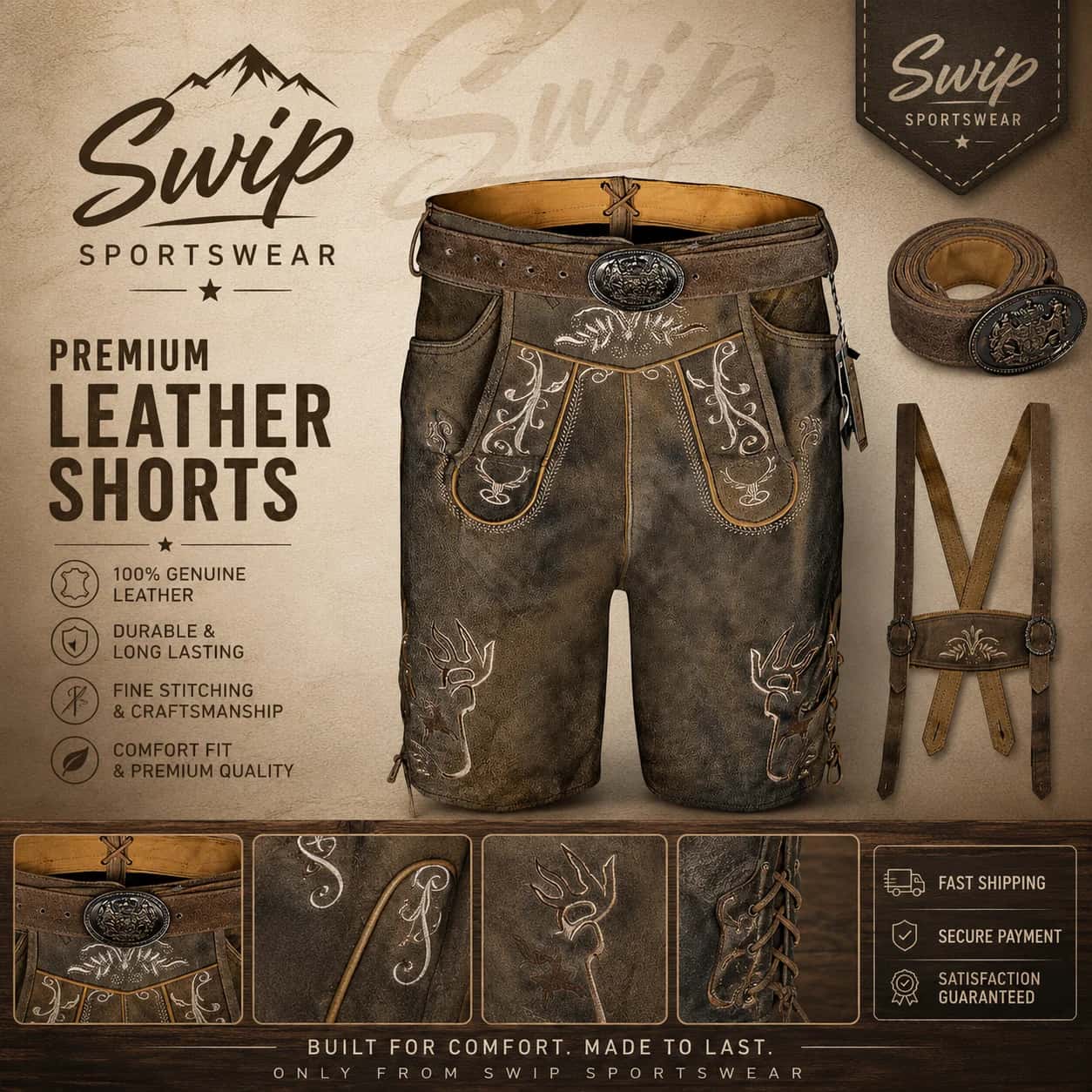
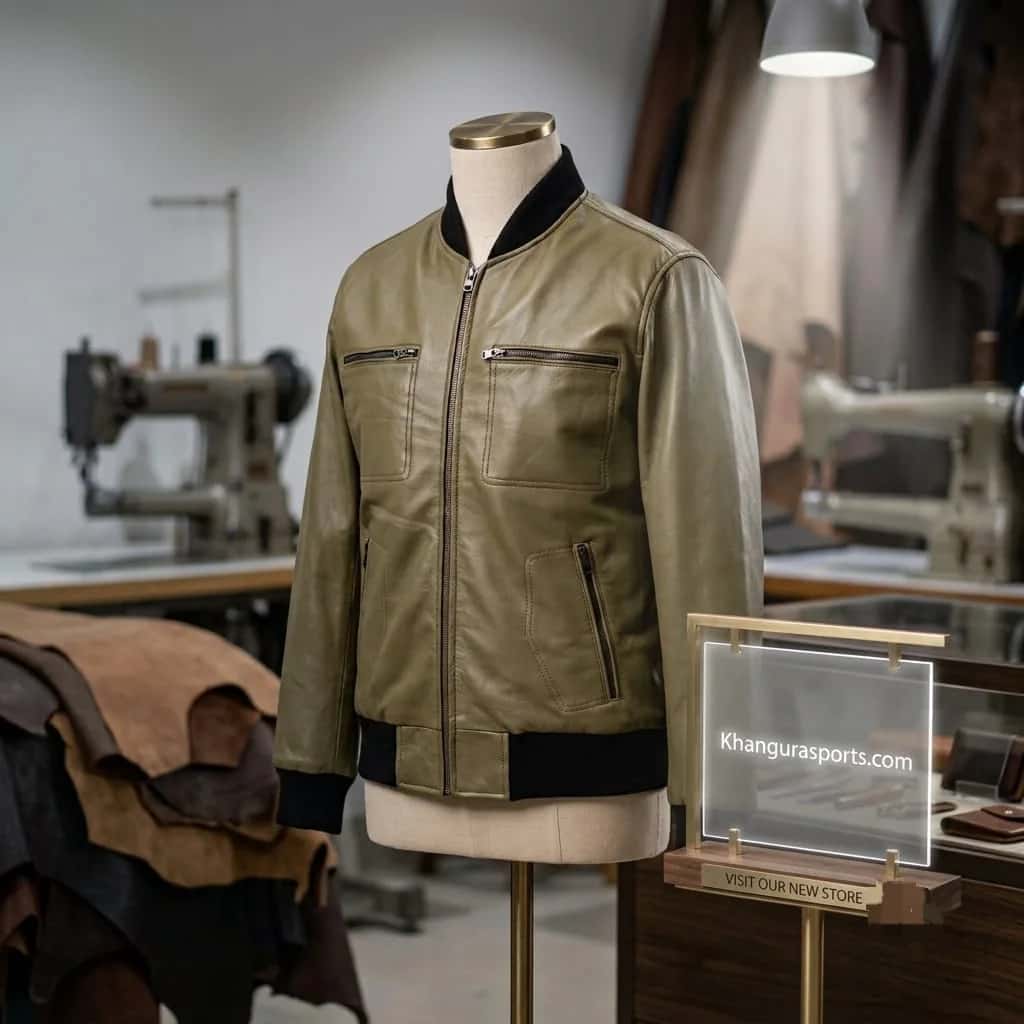
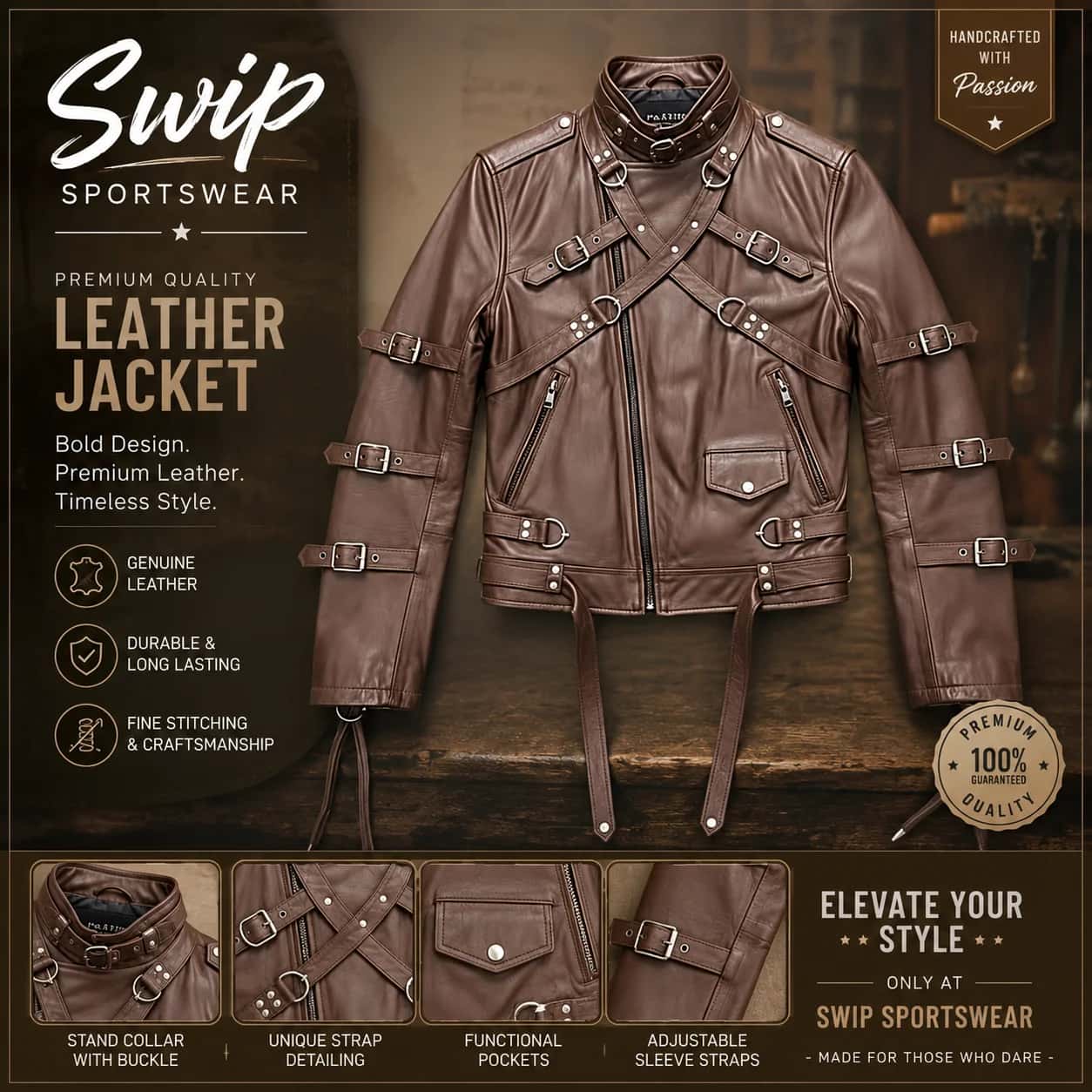
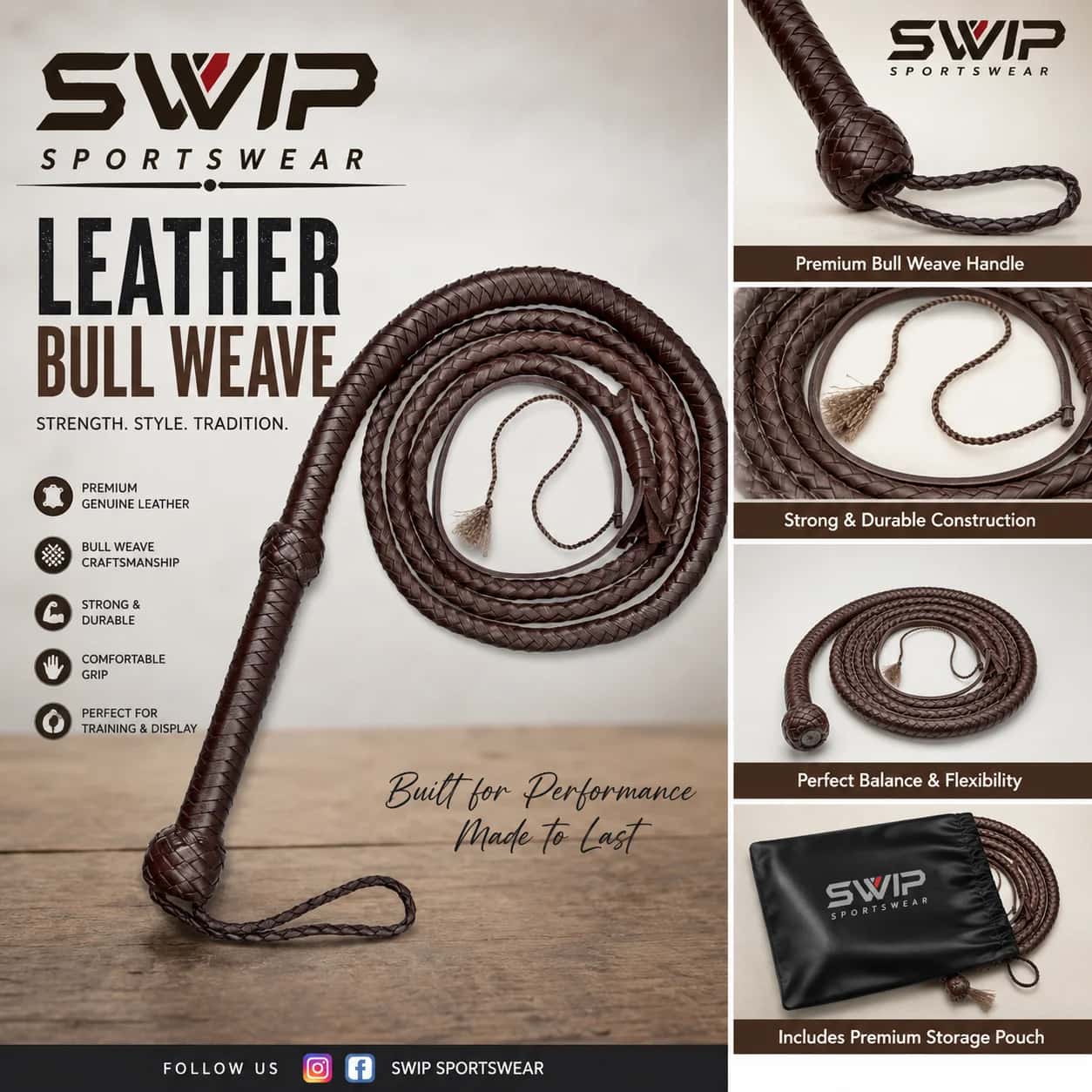
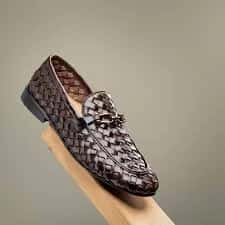
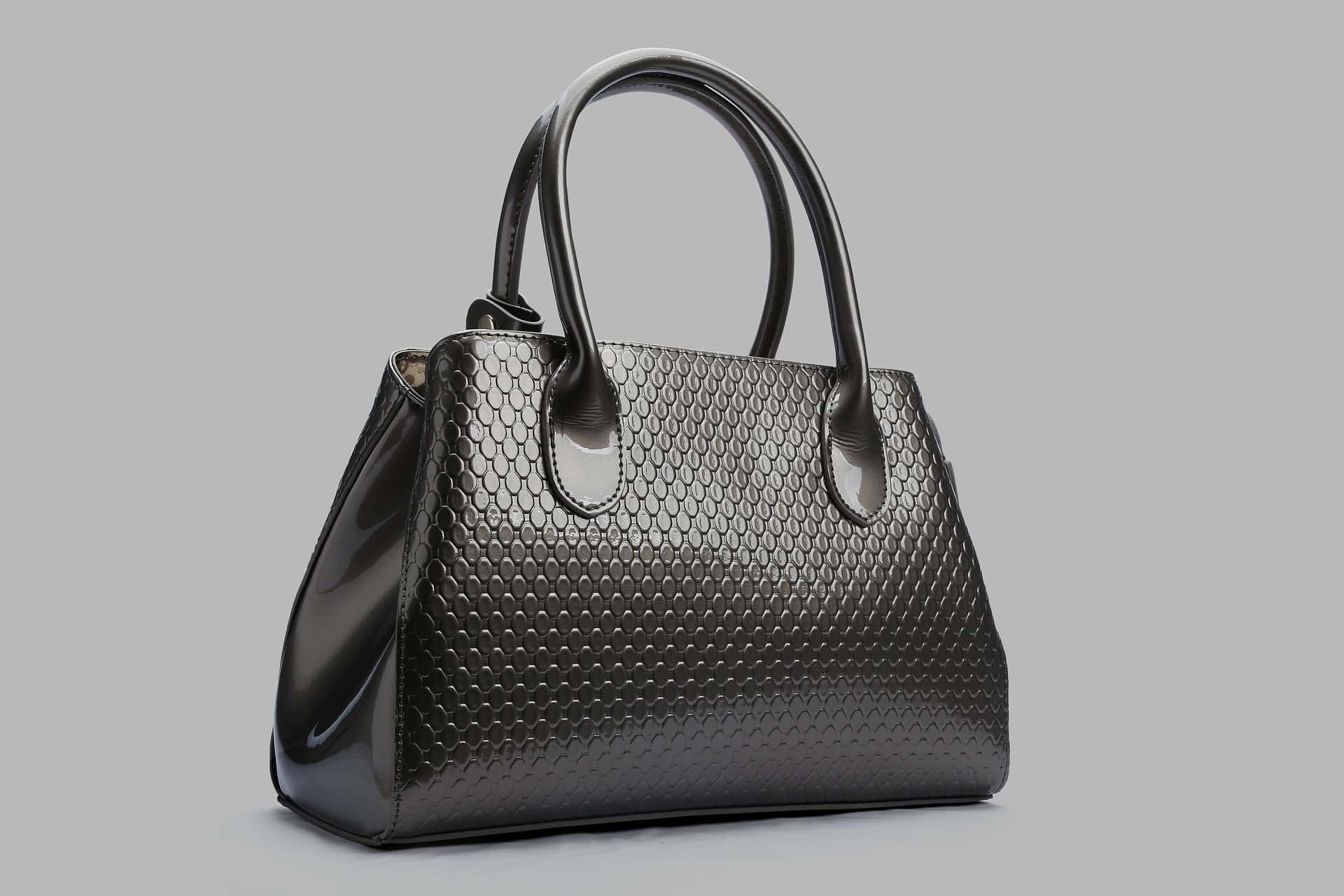
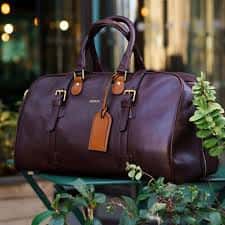
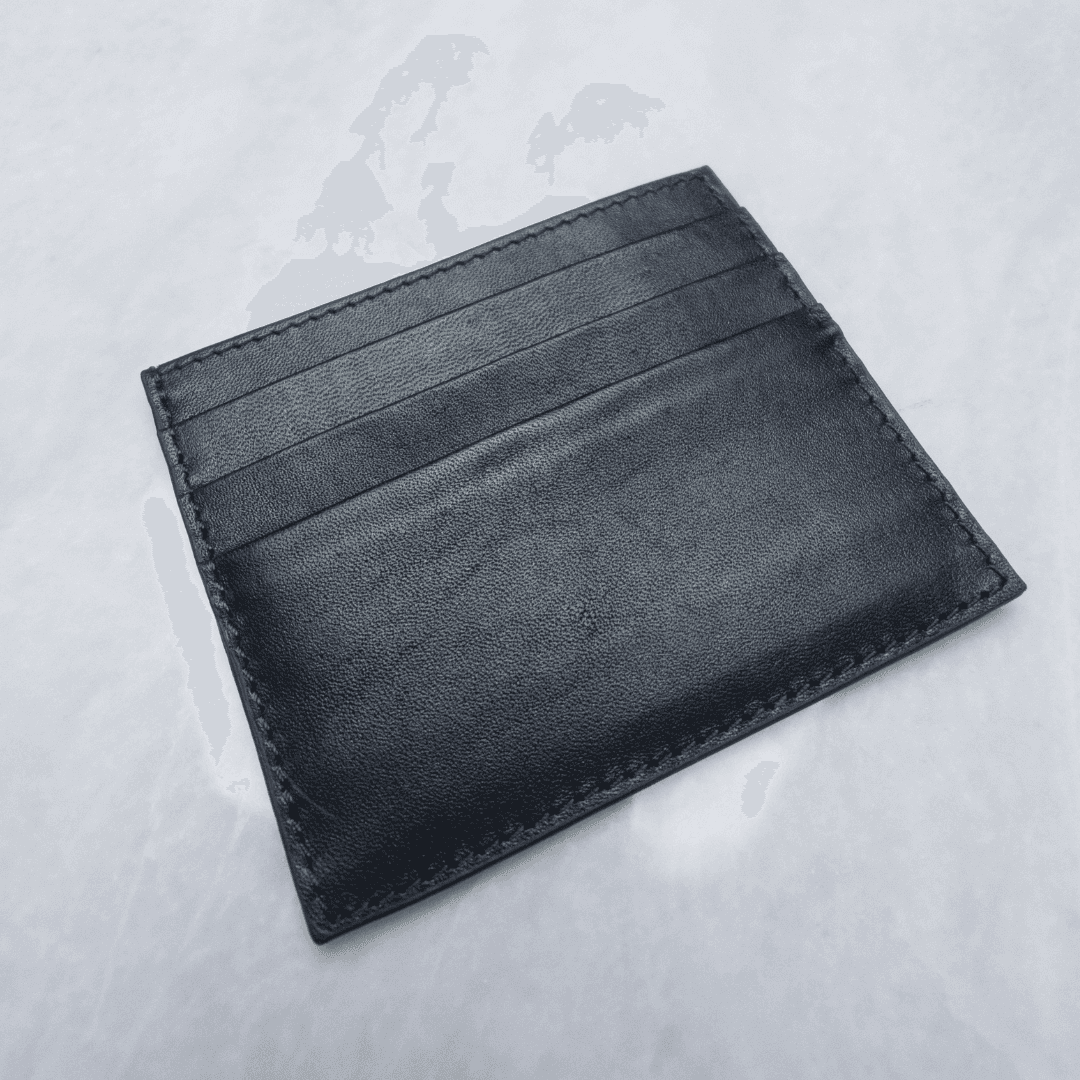
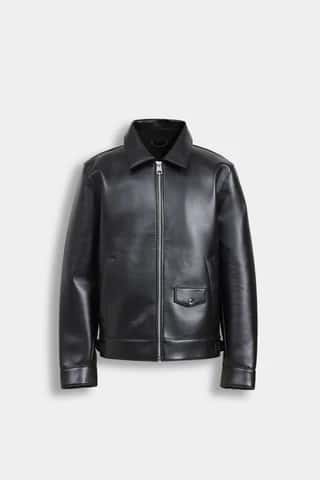

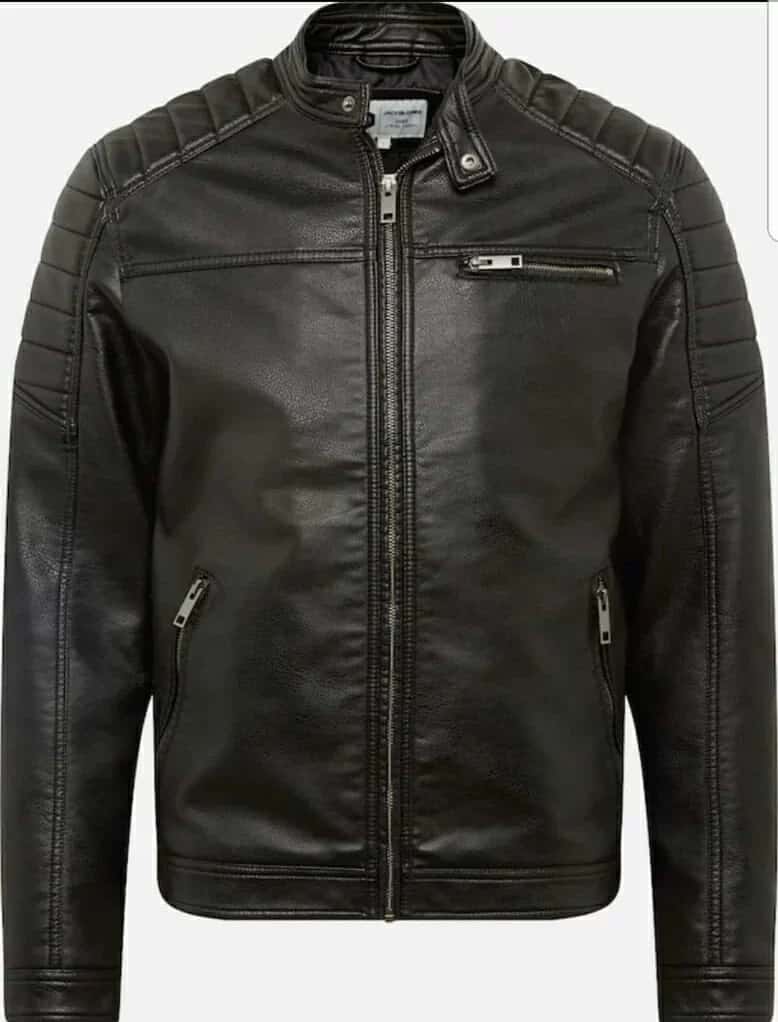
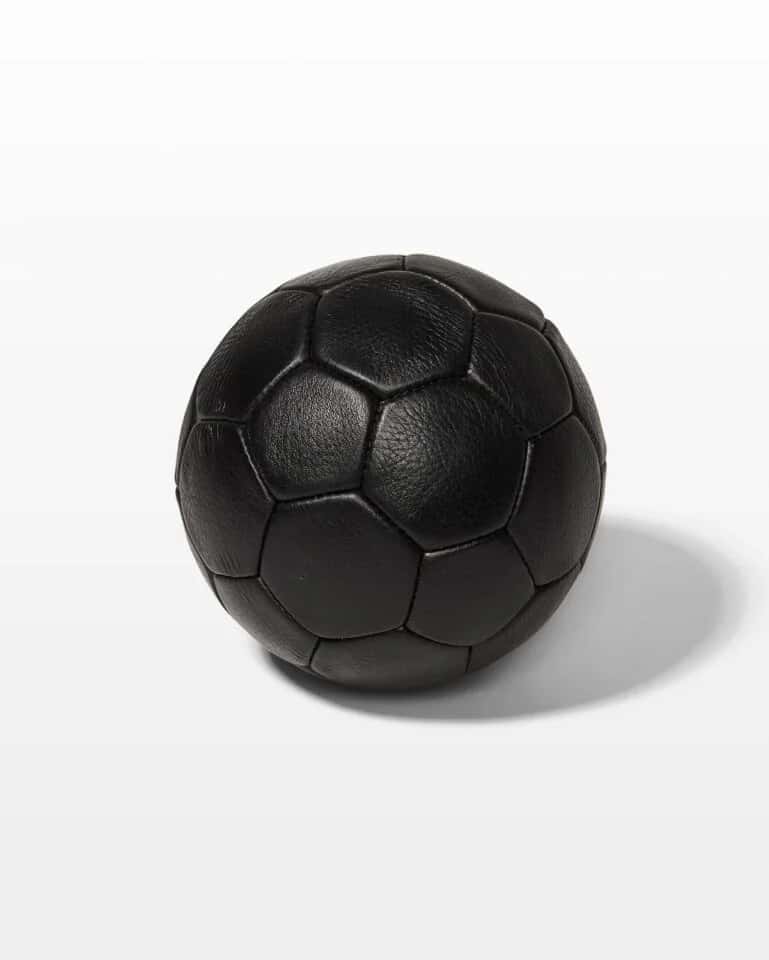
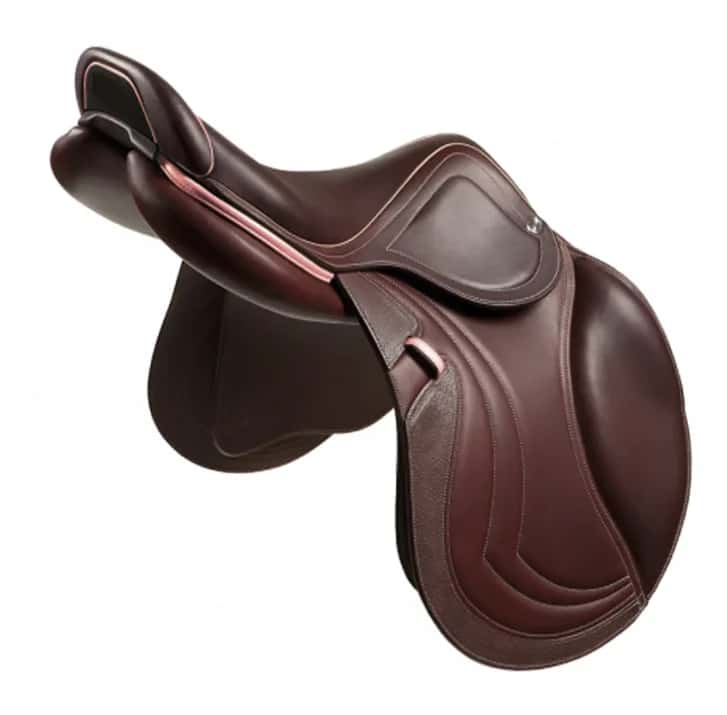
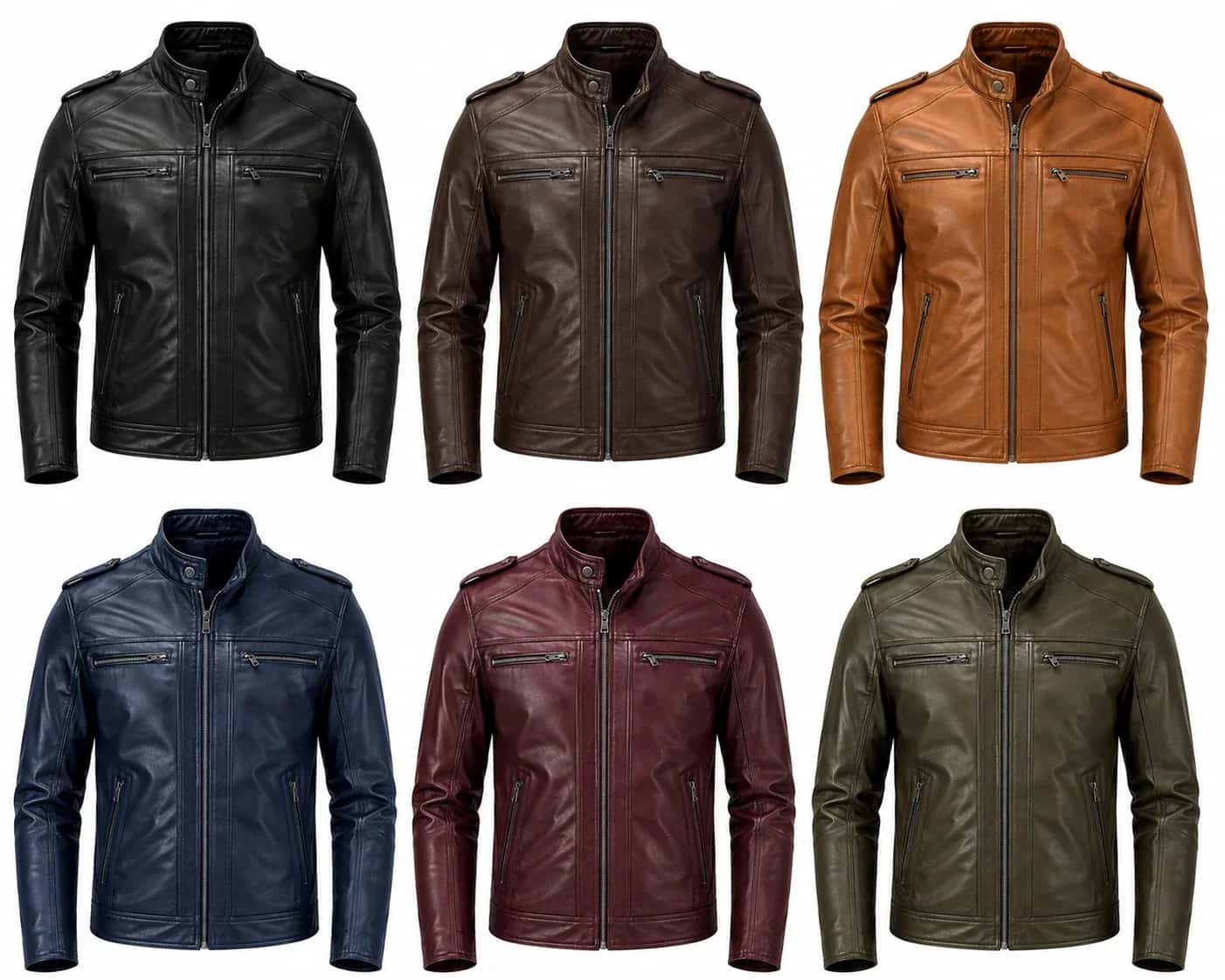
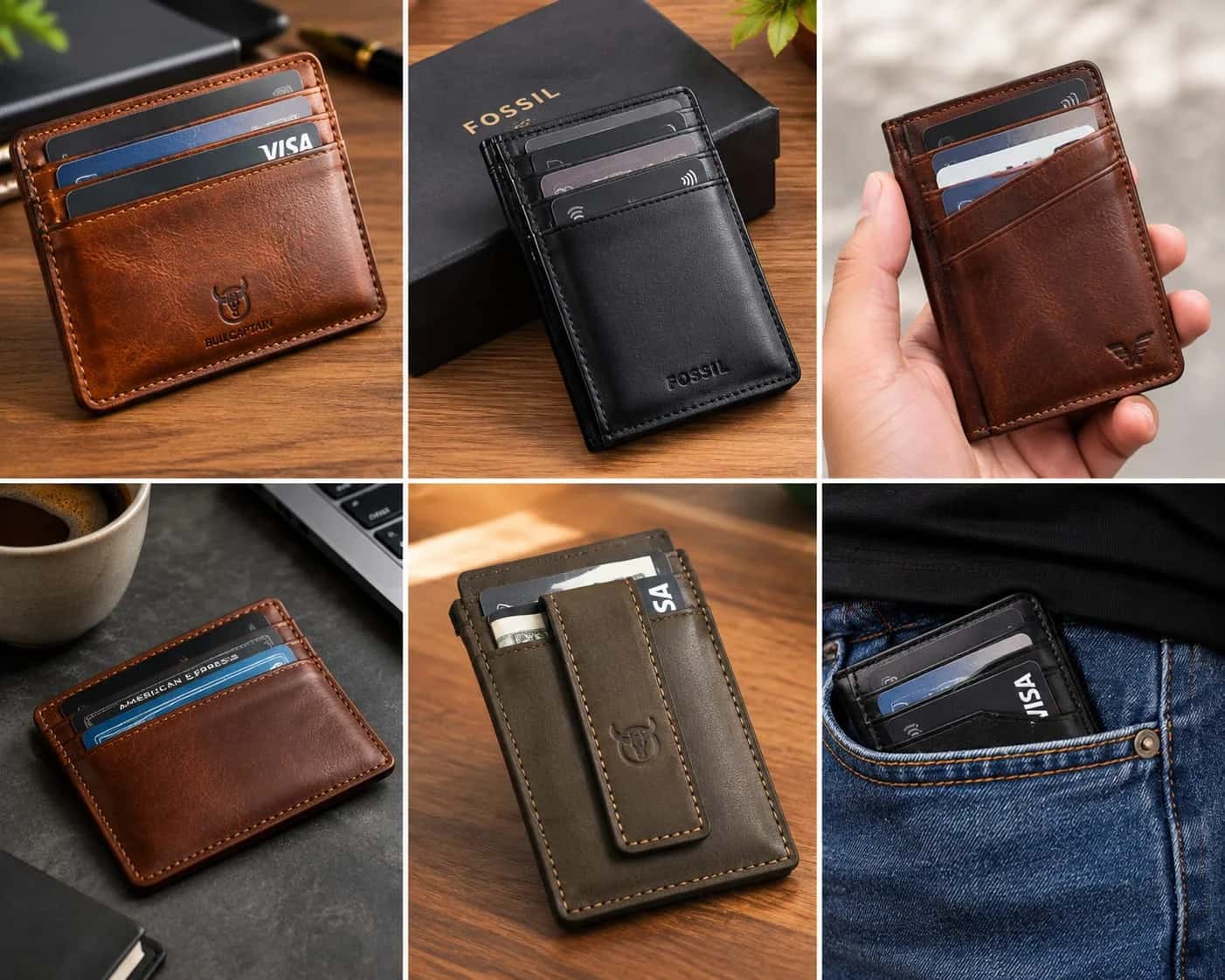
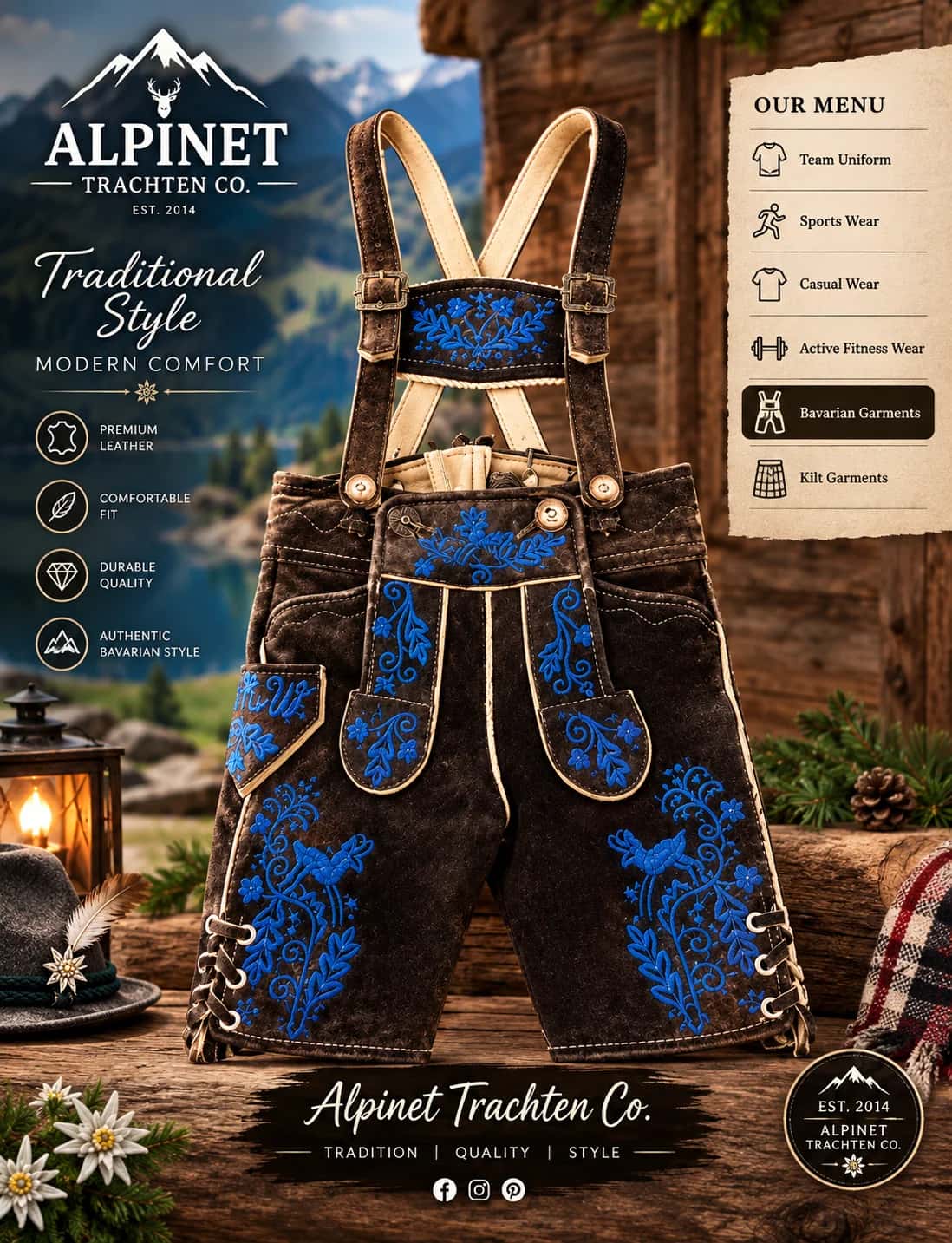
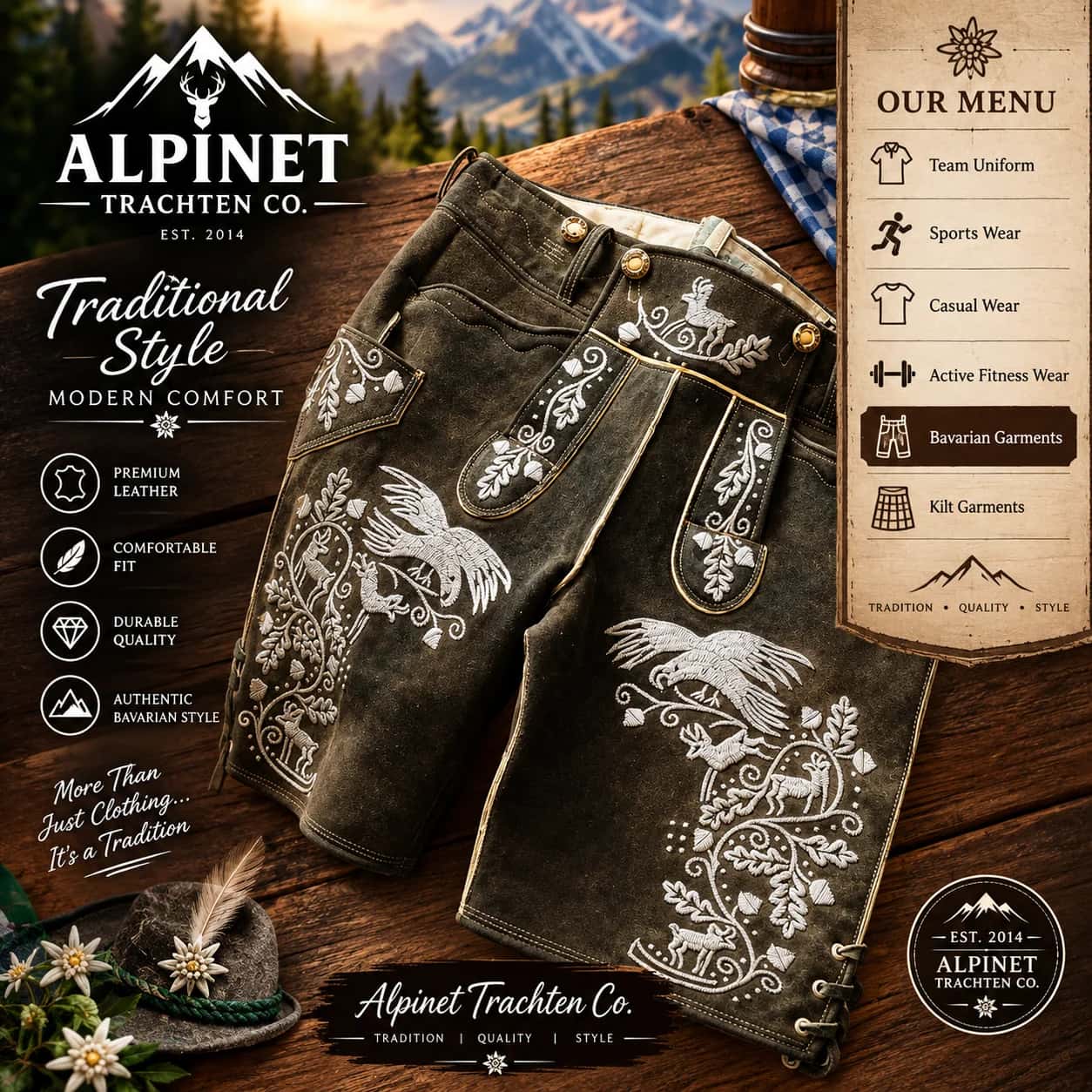
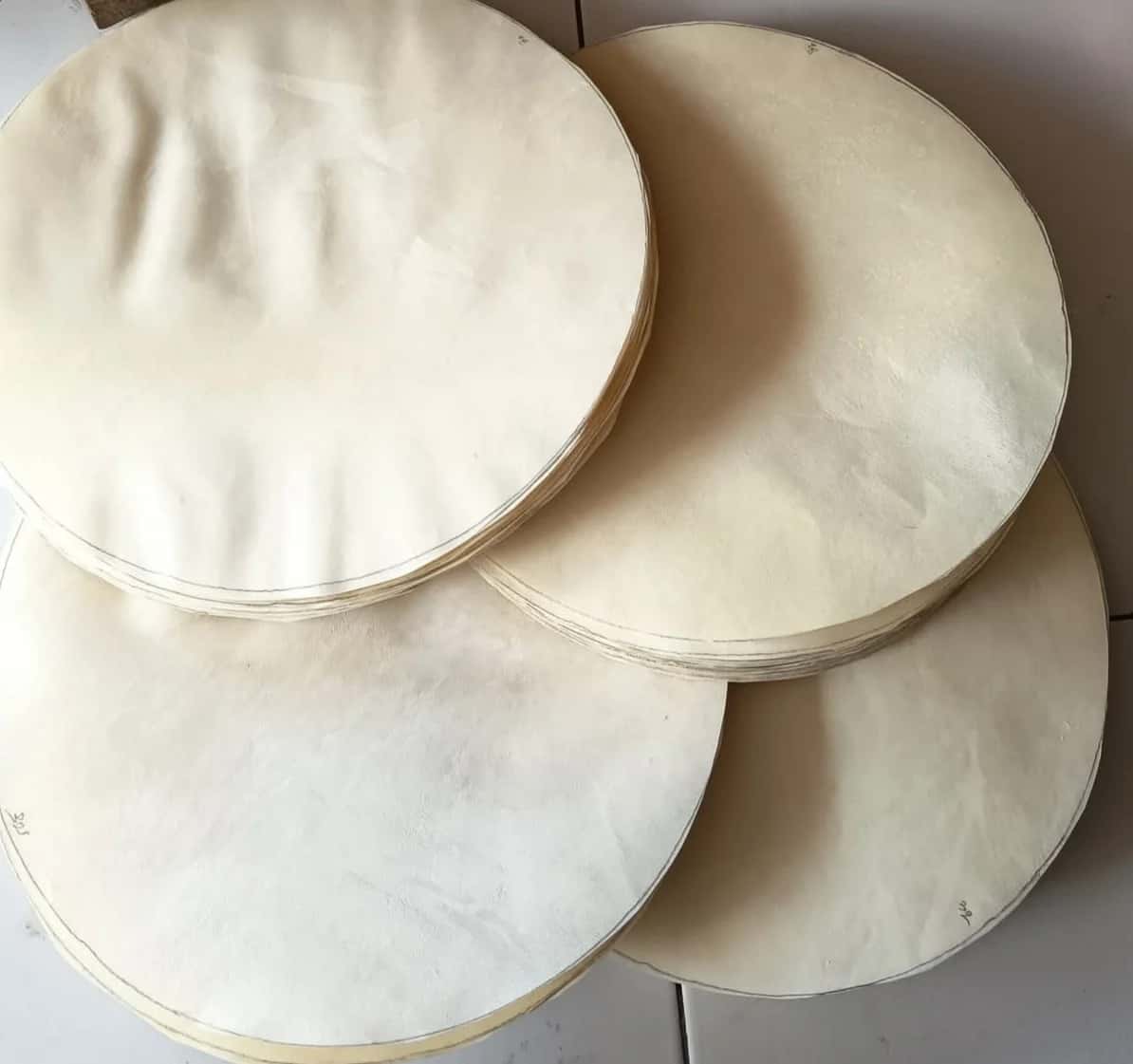
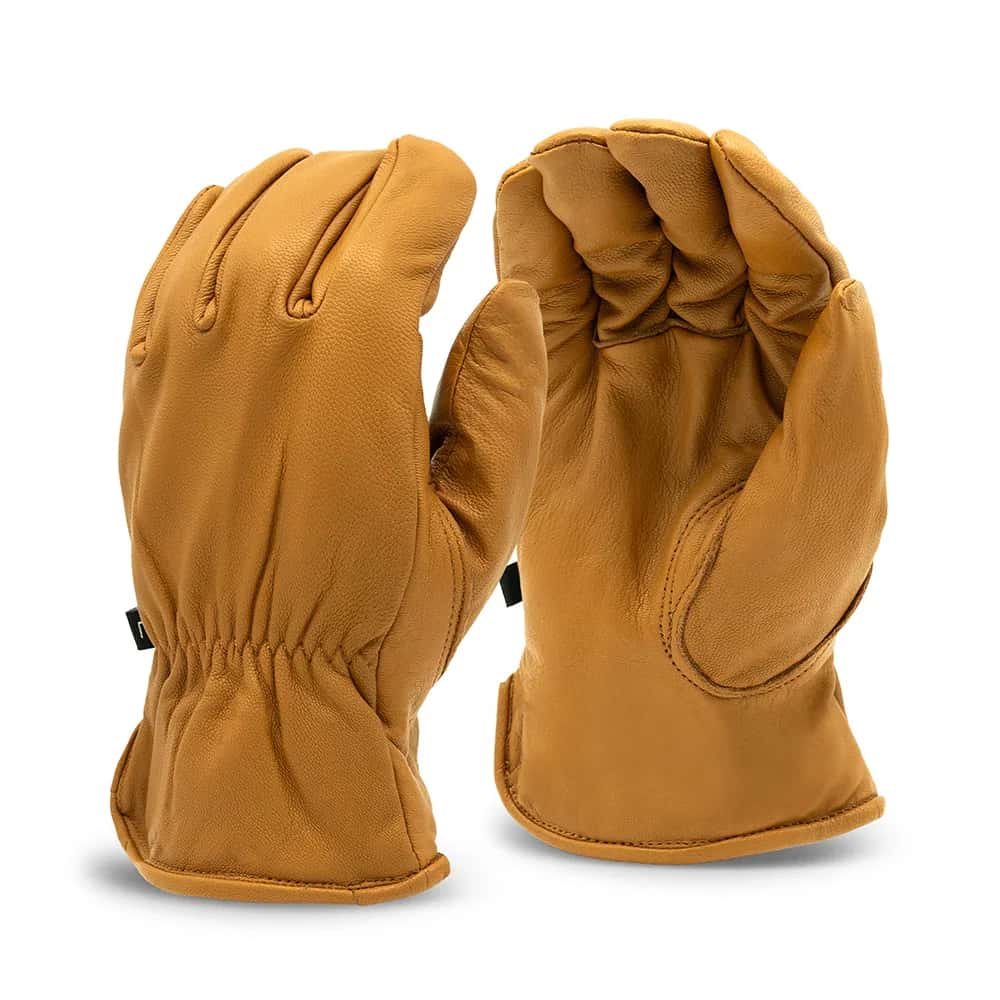
Quality varies. Communication styles differ. Production capabilities are not always obvious.
This is why businesses are increasingly combining traditional sourcing with digital discovery. Platforms like Baramdat are helping buyers identify and compare leather product manufacturers before committing to discussions or samples, reducing the guesswork that traditionally defined sourcing.
To choose the right manufacturer, it is not enough to know who exists. You need to understand how the industry actually works.
The Structure of Pakistan’s Leather Industry
The leather sector in Pakistan is not centralized under a single system. It is a layered ecosystem that includes raw material processing, semi-finished leather production, and final product manufacturing.
At the beginning of the chain are tanneries. These facilities process raw hides into usable leather. The quality of tanning directly affects the final product. Poor tanning leads to cracking, uneven texture, and reduced durability.
From there, manufacturers either source finished leather or handle part of the processing themselves. This is where differentiation begins.
Some manufacturers control more of the process and can ensure consistent quality. Others rely on external suppliers, which introduces variability.
Understanding this structure is important because it explains why two products that look similar in images can perform very differently in real use.
Pakistan Leather Industry: Key Facts and Figures
Understanding the scale of Pakistan’s leather sector helps explain why it remains a strong sourcing destination for global buyers. The country is not only producing leather goods locally but also actively exporting them to international markets.
Indicator
Verified Insight
Export Value
Pakistan’s leather and leather products exports are estimated at over $800 million annually (Pakistan Bureau of Statistics & industry reports)
Global Position
Pakistan is among the top 10 leather-producing countries globally
Key Export Markets
USA, Germany, UK, Italy, and China
Major Product Segments
Leather garments, gloves, footwear, and accessories
Industry Workforce
Employs hundreds of thousands across tanning and manufacturing sectors
Production Clusters
Sialkot, Lahore, Karachi are primary hubs
These figures highlight an important point.
Pakistan is not an emerging leather market. It is already an established one with global integration. This makes the role of leather product manufacturers more significant, especially for businesses seeking a consistent, export-oriented supply.
Where Most Leather Manufacturing Happens
Leather production in Pakistan is concentrated in a few key cities, each with its own strengths.
Sialkot is known for export-focused manufacturing. Many factories here produce for international brands, particularly in sports goods and leather gloves. The systems tend to be more structured, and quality control is often stronger.
Lahore operates as a design and production hub. It has a mix of workshops and mid-sized factories that focus on fashion-oriented products such as jackets and accessories. This is where flexibility and customization are more common.
Karachi handles large-scale production and industrial supply. Its access to ports makes it a practical location for export-oriented businesses dealing in bulk orders.
For buyers, this distribution matters because the location often reflects the type of manufacturer you are dealing with.
Understanding the Different Types of Leather Products Manufacturers
Not all manufacturers operate at the same level or serve the same type of clients. One of the biggest mistakes buyers make is assuming that every supplier can handle every requirement.
In reality, manufacturers tend to fall into distinct categories based on how they operate.
Some are export-oriented factories with structured processes, quality checks, and the ability to handle large volumes. These manufacturers are reliable but less flexible when it comes to small custom orders.
Others are smaller workshops that offer flexibility but require closer supervision. They are often willing to experiment with designs and accept lower minimum order quantities, but consistency may need to be managed carefully.
There is also a growing segment of private label manufacturers. These businesses work with brands to produce customized products, including branding, packaging, and design adjustments. This model is particularly relevant for e-commerce businesses building their own product lines.
Understanding which category a manufacturer belongs to is often more useful than simply knowing their name.
What Actually Determines Quality in Leather Products
When evaluating leather products manufacturers, quality is not a single factor. It is the result of several elements working together.
The type of leather used plays a major role. Full-grain leather is generally more durable and ages better, while lower grades may look similar initially but deteriorate faster.
Stitching and finishing are equally important. Even high-quality leather can result in a poor product if the construction is weak.
Consistency is another critical factor. A manufacturer may produce a good sample but fail to maintain the same quality across larger orders.
This is why experienced buyers do not rely on descriptions alone. They test products, evaluate samples, and observe consistency over time.
Pricing: Why It Varies So Much
Pricing in the leather industry often confuses new buyers.
Two manufacturers may quote significantly different prices for what appears to be the same product.
The reason lies in the underlying variables.
Material grade affects cost. Higher-quality leather increases durability but also raises production expenses. Labor expertise also plays a role. Skilled craftsmanship requires time and precision.
Order volume influences pricing as well. Larger orders typically reduce per-unit costs, while smaller batches require more manual handling.
Customization adds another layer. Unique designs, branding, and packaging increase complexity and therefore cost.
Understanding these factors helps buyers evaluate pricing more realistically.
How Buyers Actually Choose Manufacturers
In practice, businesses do not select manufacturers based on a single interaction.
They follow a process.
First, they explore options. This may involve searching online, reviewing supplier profiles, or using platforms like Baramdat to identify potential manufacturers.
Then they shortlist suppliers based on relevance and communication.
The next step is testing. Small orders or samples are used to evaluate quality, packaging, and delivery timelines.
Finally, decisions are made based on consistency rather than initial impressions.
This process may seem time-consuming, but it significantly reduces risk.
The Shift Toward More Structured Sourcing
Traditionally, sourcing from Pakistan relied heavily on physical visits and personal networks.
While these methods are still relevant, they are no longer sufficient on their own.
Businesses now expect faster access to information and more structured ways of comparing suppliers.
This is where digital platforms are becoming important.
Instead of starting from zero, buyers can explore organized listings, understand supplier capabilities, and initiate communication more efficiently.
This does not replace traditional sourcing.
It improves it.
Common Challenges When Working with Leather Manufacturers
Despite the opportunities, sourcing from Pakistan’s leather industry comes with challenges.
Inconsistent quality is one of the most common issues, especially when dealing with smaller manufacturers.
Communication gaps can also create misunderstandings, particularly when specifications are not clearly defined.
Another challenge is overpromising. Some suppliers may agree to requirements they cannot consistently meet.
These challenges are not unique to Pakistan, but they are more visible in markets where systems are less standardized.
Businesses that approach sourcing carefully, verify suppliers, and build relationships tend to achieve better outcomes.
Conclusion
Pakistan remains one of the most competitive sourcing destinations for leather products.
Its manufacturers offer a combination of craftsmanship, flexibility, and pricing that appeals to businesses across different markets.
However, success in sourcing depends on understanding the industry rather than simply finding suppliers.
Different manufacturers serve different needs. Some provide scale, others provide flexibility, and some specialize in specific product categories.
By approaching sourcing strategically and using both traditional and digital methods, businesses can build reliable supplier networks and operate more efficiently.
FAQs
1. Why are leather products manufacturers in Pakistan competitive globally?
Leather products manufacturers in Pakistan are competitive due to a combination of skilled craftsmanship, established export infrastructure, and access to raw materials. Many manufacturers have experience working with international brands, which allows them to meet global quality expectations. Competitive labor costs also make Pakistan an attractive sourcing destination for businesses worldwide.
2. Which city is best for leather manufacturing in Pakistan?
Sialkot, Lahore, and Karachi are the main leather manufacturing hubs in Pakistan. Sialkot is known for export-quality production, particularly gloves and sports goods. Lahore focuses on fashion-oriented leather products, while Karachi handles larger-scale manufacturing. The best city depends on the product type, required volume, and level of customization needed.
3. How do I verify the quality of a leather manufacturer?
To verify the quality of a leather manufacturer, businesses should start by requesting samples or placing small initial orders. This allows them to evaluate material quality, stitching, finishing, and consistency. Observing performance across multiple orders and maintaining clear communication also helps confirm whether a supplier can meet long-term expectations reliably.
4. Are Pakistani leather manufacturers suitable for small businesses?
Yes, many Pakistani leather manufacturers, especially small and medium workshops, are well-suited for small businesses. They often offer flexibility in order quantities and customization options. This makes it easier for startups and growing brands to test products, build inventory gradually, and develop supplier relationships without requiring large upfront commitments.
5. What factors affect leather product pricing in Pakistan?
Leather product pricing in Pakistan depends on several factors, including the quality of leather, level of craftsmanship, order quantity, and customization requirements. Higher-grade materials and detailed finishing increase costs, while bulk orders typically reduce per-unit pricing. Understanding these factors helps businesses compare quotes more accurately and make informed sourcing decisions.
6. Can I find reliable leather manufacturers without visiting Pakistan?
Yes, it is possible to find reliable leather manufacturers without visiting Pakistan by using digital platforms and conducting proper verification. Businesses can explore supplier profiles, communicate directly, and request samples before committing to larger orders. While physical visits can add confidence, structured online sourcing has made remote supplier selection more practical and efficient.
7. How is leather sourcing from Pakistan evolving today?
Leather sourcing from Pakistan is becoming more structured as businesses combine traditional methods with digital discovery. Buyers are increasingly using platforms to identify and compare suppliers before initiating direct communication. This approach improves efficiency, reduces reliance on intermediaries, and allows businesses to make more informed decisions when selecting leather product manufacturers.

You can view the products listed orsign up on Baramdat for free

You might also like
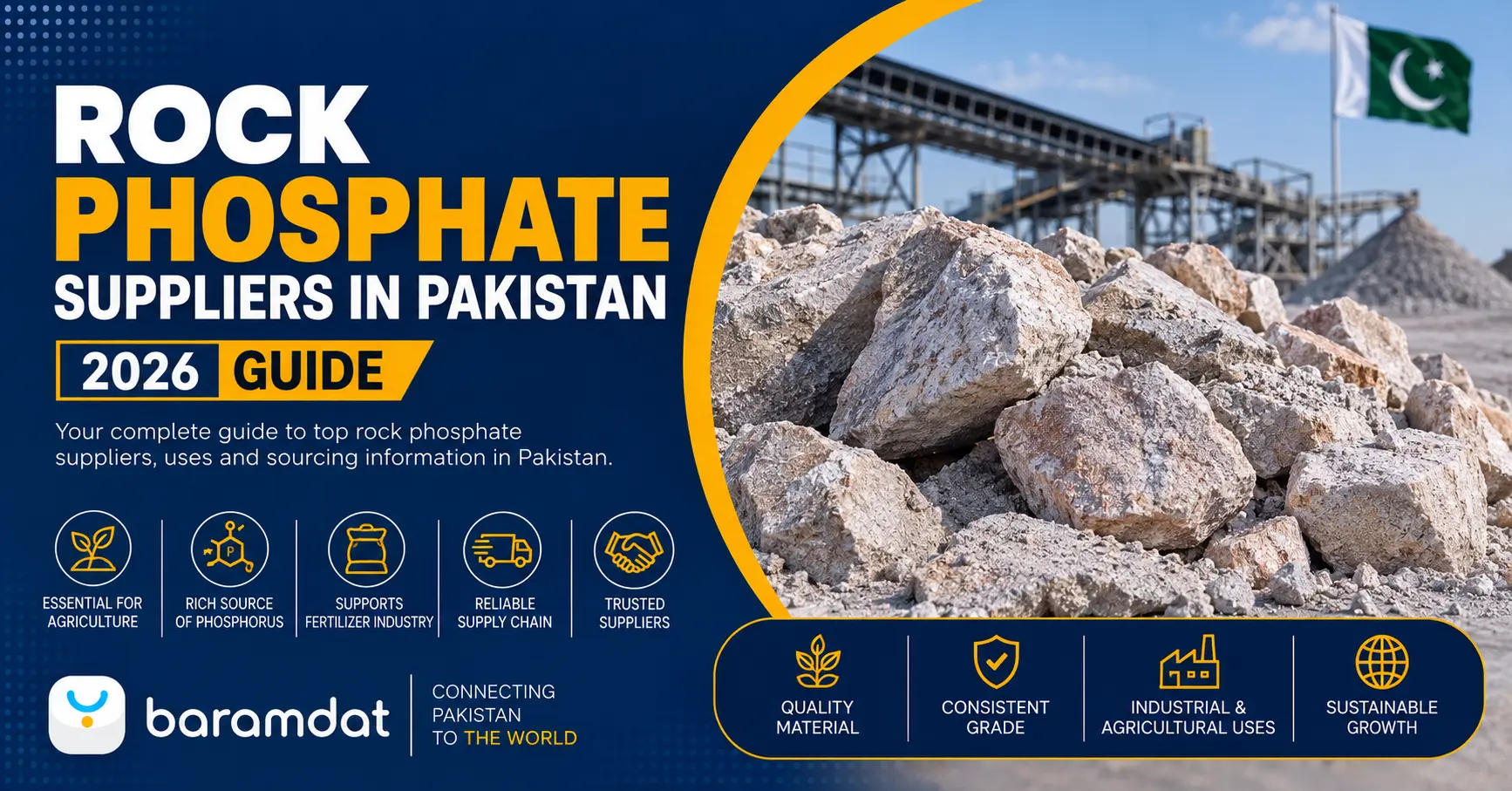
Rock Phosphate Suppliers in Pakistan: A Buyer's Guide for 2026
By Muhammad Umar - 13 October 2026
Top 10 rock phosphate suppliers in Pakistan for 2026 - P2O5 grades, regions, MOQs, and what buyers should verify before ordering in bulk.
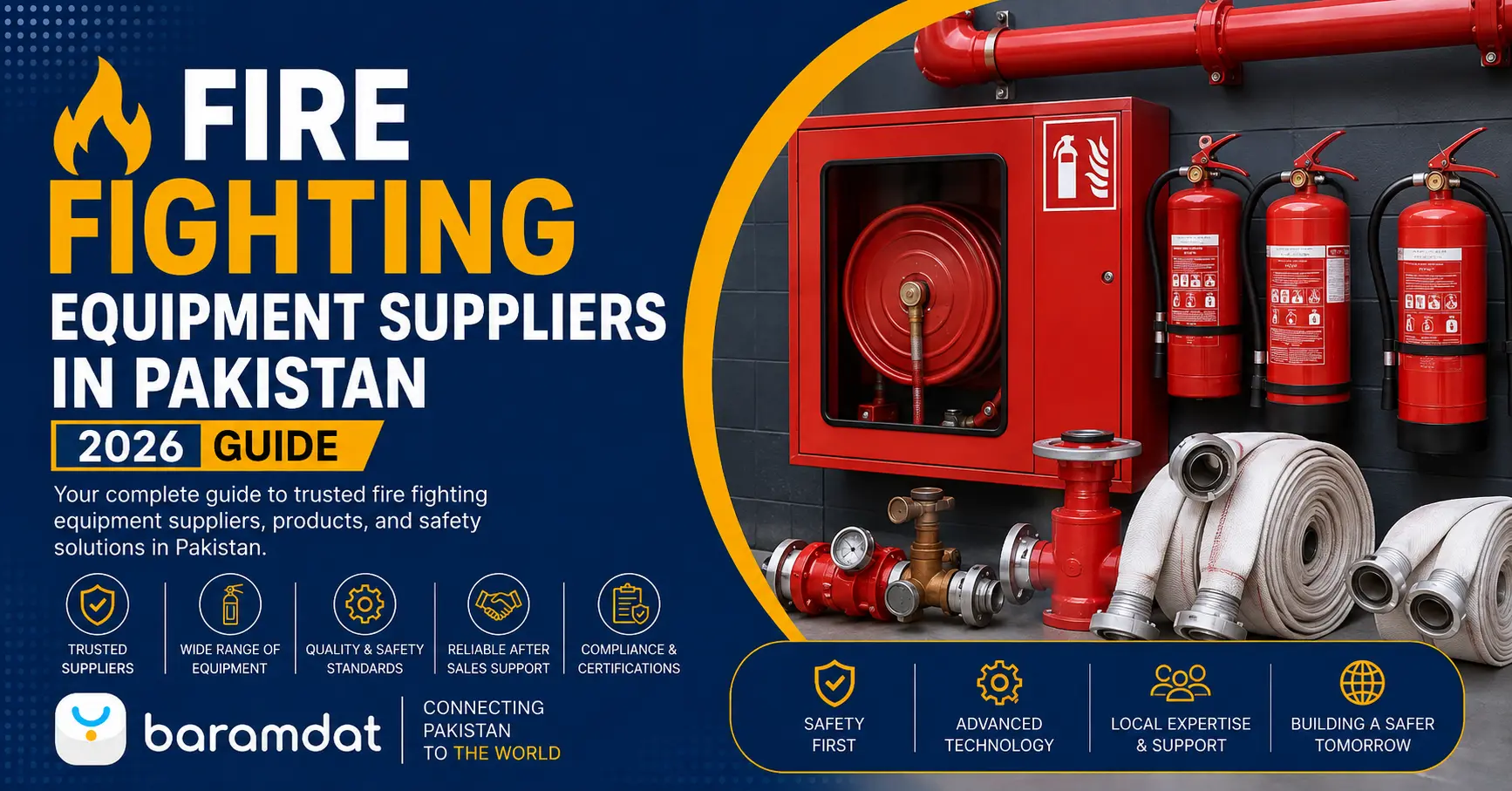
Fire Fighting Equipment Suppliers in Pakistan: A Buyer's Sourcing Guide
By Muhammad Umar - 13 October 2026
Sourcing fire fighting equipment from Pakistan? Compare extinguishers, hydrants, alarms & PPE, verify certifications, and connect with sellers on Baramdat.

Car Manufacturers in Pakistan: Complete 2026 Guide
By Muhammad Umar - 13 October 2026
See every PAMA-registered car manufacturer in Pakistan - Suzuki, Toyota, Honda, Hyundai, Kia, Changan, and more - with segments and verified sources.
7 Verified Disposable Syringe Manufacturers in Pakistan 2026
By Muhammad Umar - 13 October 2026
A buyer's list of Pakistan's disposable syringe manufacturers verified through DRAP registration and WHO PQS - names, cities, credentials, and what to check.