
The short answer
Supplier vetting means checking that a supplier is a genuine, legally registered business, that it makes what it claims, that it has the capacity and quality systems for your order, and that other buyers are happy with it. Verify the basics, test samples, score suppliers in one table, and start with a small trial order.
What is supplier vetting?
Supplier vetting, also called supplier verification or supplier due diligence, is the process of checking a supplier before you buy from it. You confirm who they are, what they can make, how reliable they are and what risks come with them. The more money and time you commit, the more checking is worth doing.
The supplier vetting process in six steps
- 1. Define what you need. A written specification, quantity, quality standard and delivery date. You cannot vet a supplier against a vague need.
- 2. Screen on paper. Check the website, product range, address, contact details and any public listings. Drop suppliers with missing or inconsistent information.
- 3. Request documents. Registration, tax details, certifications and references, listed below.
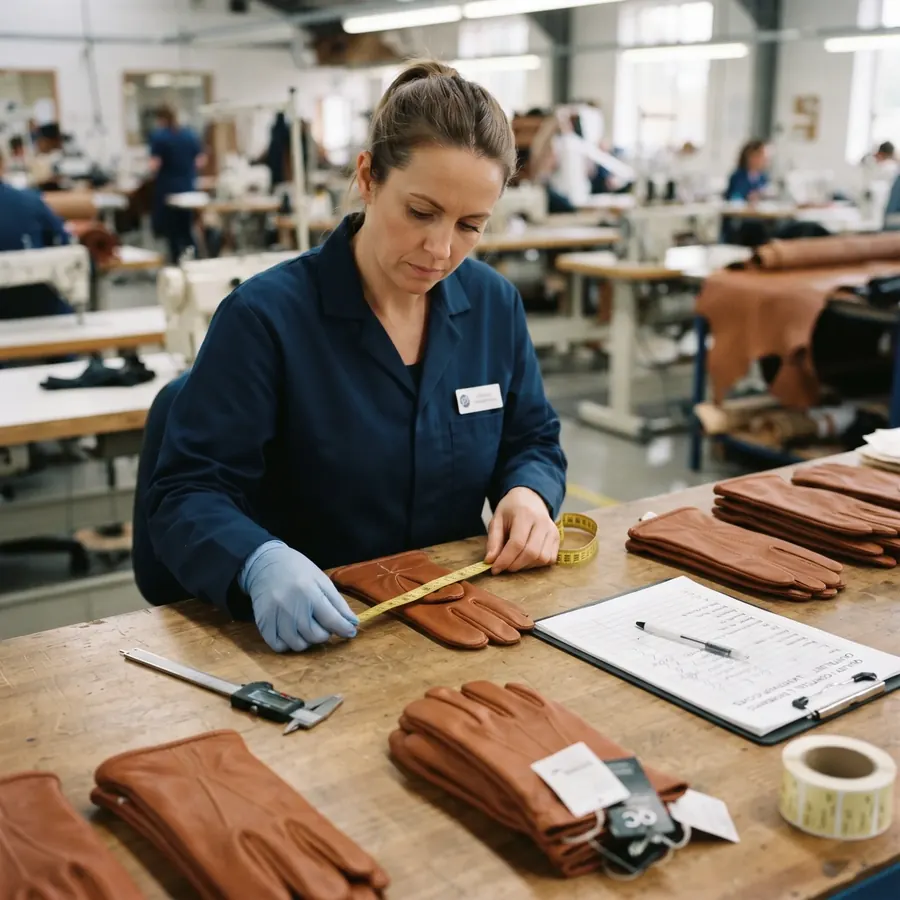
- 4. See the factory. A live video walk-through, recent timestamped photos, a visit or an independent audit.
- 5. Test samples. Compare samples against your written specification. Ask for the production process and the same material used for the real order.
- 6. Start small and monitor. Place a trial order, inspect it, and keep scoring the supplier on every later order.
Supplier vetting checklist
| Check | How to check it | Warning sign |
|---|---|---|
| Legal registration | Ask for the company registration and tax details, and check the name matches the invoice and bank account. | Refuses to share, or the names do not match. |
| Manufacturer or trader | Ask for the factory address, production photos or a live video of your product being made. | Cannot show production, or avoids questions about the factory. |
| Product experience | Ask for examples and past orders in your product category. | Claims to make everything. |
| Capacity | Ask about machines, staff, monthly output and current order load. | Vague answers, or promises that sound too fast. |
| Certifications | Ask for certificates relevant to your product and check the issuer and validity. | Certificates with no number, no date or a different company name. |
| References | Contact two or three buyers, ideally in your region. | Only references provided by the supplier through one email address. |
| Quality system | Ask how they inspect during production and before shipping. | No written process. |
| Payment terms | Compare deposit, balance and method. Prefer staged payments or a letter of credit for new suppliers. | Asks for full payment in advance to a personal account. |
| Communication | Note response time, clarity and whether the answers match across messages. | Slow, evasive or inconsistent replies. |
In Pakistan, for example, ask for the company's registration and its tax number (NTN), and check the legal name against the invoice and the bank account you will pay. Other countries have their own equivalents.
Certifications to ask about
Which certificates matter depends on your product and your market. Common examples are ISO 9001 for quality management, ISO 13485 and CE marking for medical devices and surgical instruments, and food safety certificates for edible products. Ask for the certificate, check who issued it and when it expires, and ask which products it covers. A certificate for one product line does not cover everything the factory makes.
Score suppliers in one table
Score each shortlisted supplier on the same criteria so you can compare them fairly. You can adjust the weights to your priorities:
| Criterion | Example weight | What to look at |
|---|---|---|
| Quality and samples | 30% | Sample against your specification, certifications. |
| Compliance and stability | 20% | Registration, export experience, references. |
| Price and total cost | 20% | Unit price, MOQ, freight and landed cost. |
| Delivery and capacity | 15% | Lead time, capacity, on-time record. |
| Communication | 15% | Response time, clarity, honesty. |
The weights are an example, not a standard. Use them to make your decision explicit and to compare suppliers on more than price.
Audits and inspections
For larger orders, hire an independent company to audit the factory or inspect the goods. A factory audit checks the facility, equipment, processes and working conditions. A pre-shipment inspection checks a sample of the finished goods against your specification, often using an AQL (acceptable quality limit) sampling plan, before you pay the balance and ship.
Supplier red flags
- A price far below every other quote, with no explanation.
- Pressure to pay quickly, or to pay a personal account or a different company.
- No factory address, or unwillingness to do a live video call.
- Photos that come from the internet, or that do not match what they say they make.
- Certificates with no number, no date or a mismatched name.
- Reluctance to send samples, or samples that differ from what is quoted.
- Contact only by a free email address or messaging app, with no company domain.
One red flag is a reason to ask more questions. Several together are a reason to walk away.
Keep vetting after the first order
Vetting does not stop when you place an order. Record how each order went: quality, delivery date against promise, communication and any problems. Review suppliers regularly, and keep a second supplier for important products so that one problem does not stop your business.
Frequently asked questions
What is supplier vetting?
Supplier vetting is the process of checking a supplier before you buy: confirming that it is a real, registered business, that it makes what it claims, and that it has the capacity, quality and track record to deliver your order.
How do I vet a supplier?
Write a specification, screen suppliers on paper, request registration and certification documents, see the factory by video or a visit, test samples, score suppliers in one table and start with a small trial order.
How do I verify a supplier is genuine?
Check that the registered company name matches the invoice and the bank account, ask for a live video walk-through of the factory, contact references, and compare certificates with the issuer. Avoid paying everything in advance to a new supplier.
What documents should I ask a supplier for?
Company registration and tax details, relevant certifications such as ISO 9001, product-specific certificates, references, a factory address and recent photos or video, and a price quote with payment terms.
What is a supplier audit?
A supplier audit is an on-site check, by you or an independent company, of the supplier's facility, equipment, processes, quality system and working conditions. It is separate from a pre-shipment inspection, which checks finished goods.
What are the signs of a supplier scam?
Prices far below the market, requests to pay a personal or different company account, no factory address, refusal of a live video call, copied photos, certificates with mismatched names, and pressure to pay quickly.
How do I tell a manufacturer from a trading company?
Ask for the factory address, a live video of your product being made, and production details such as machines and staff. A trading company may be fine, but you should know which one you are dealing with.
Can a sourcing agent vet suppliers for me?
Yes. A sourcing agent checks suppliers, collects quotes and manages samples and inspection. At Baramdat you pay suppliers directly and we agree any fee in writing before work begins.