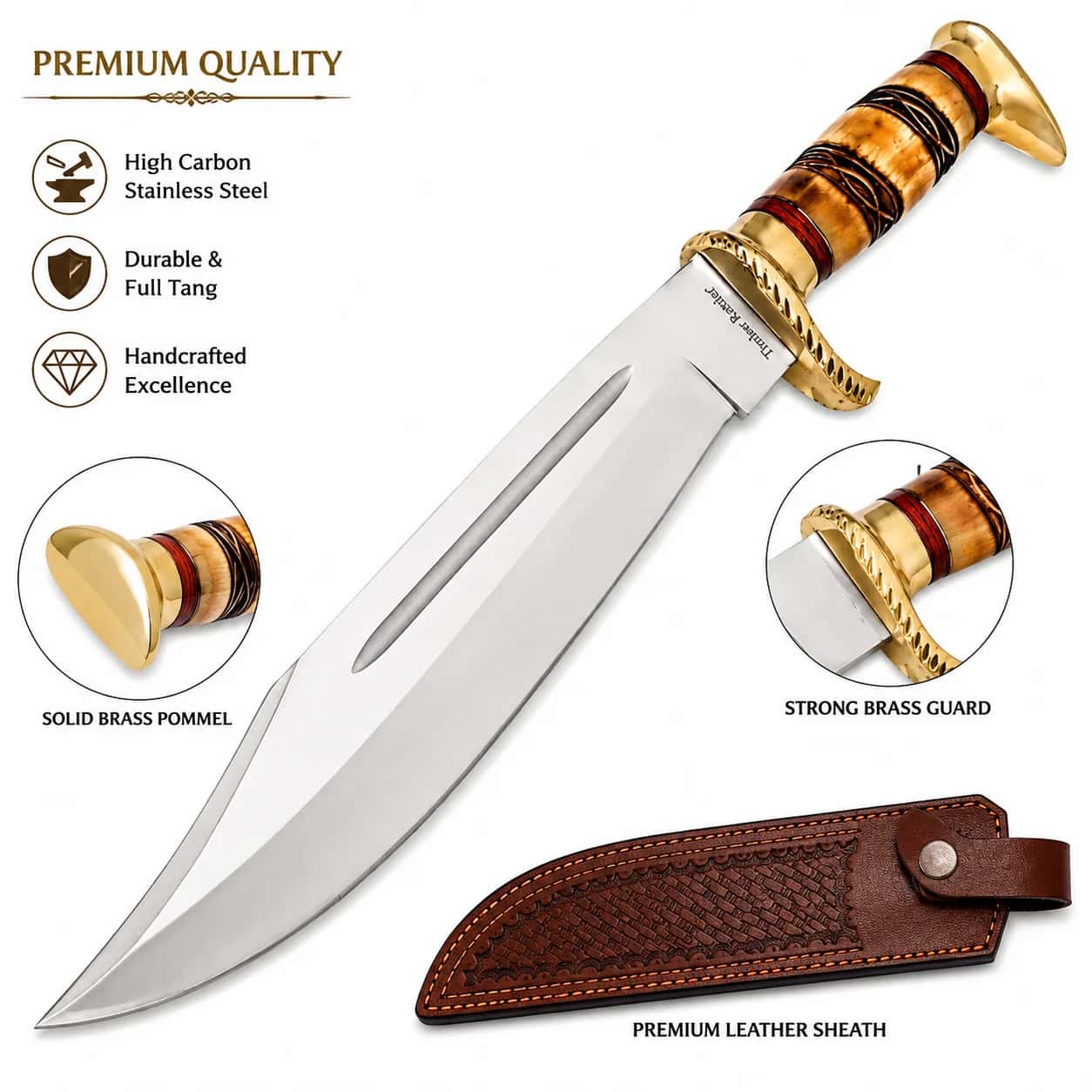
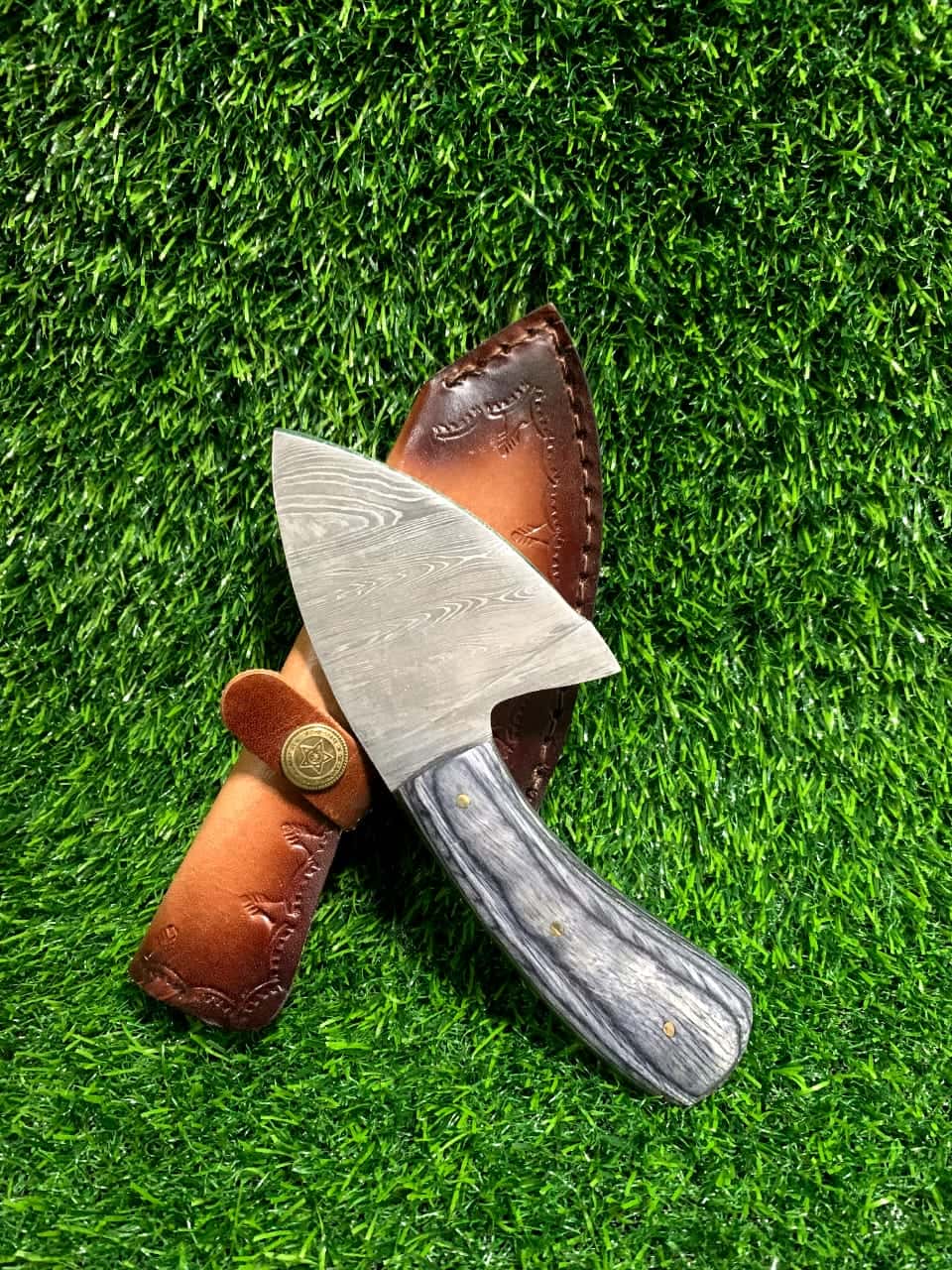
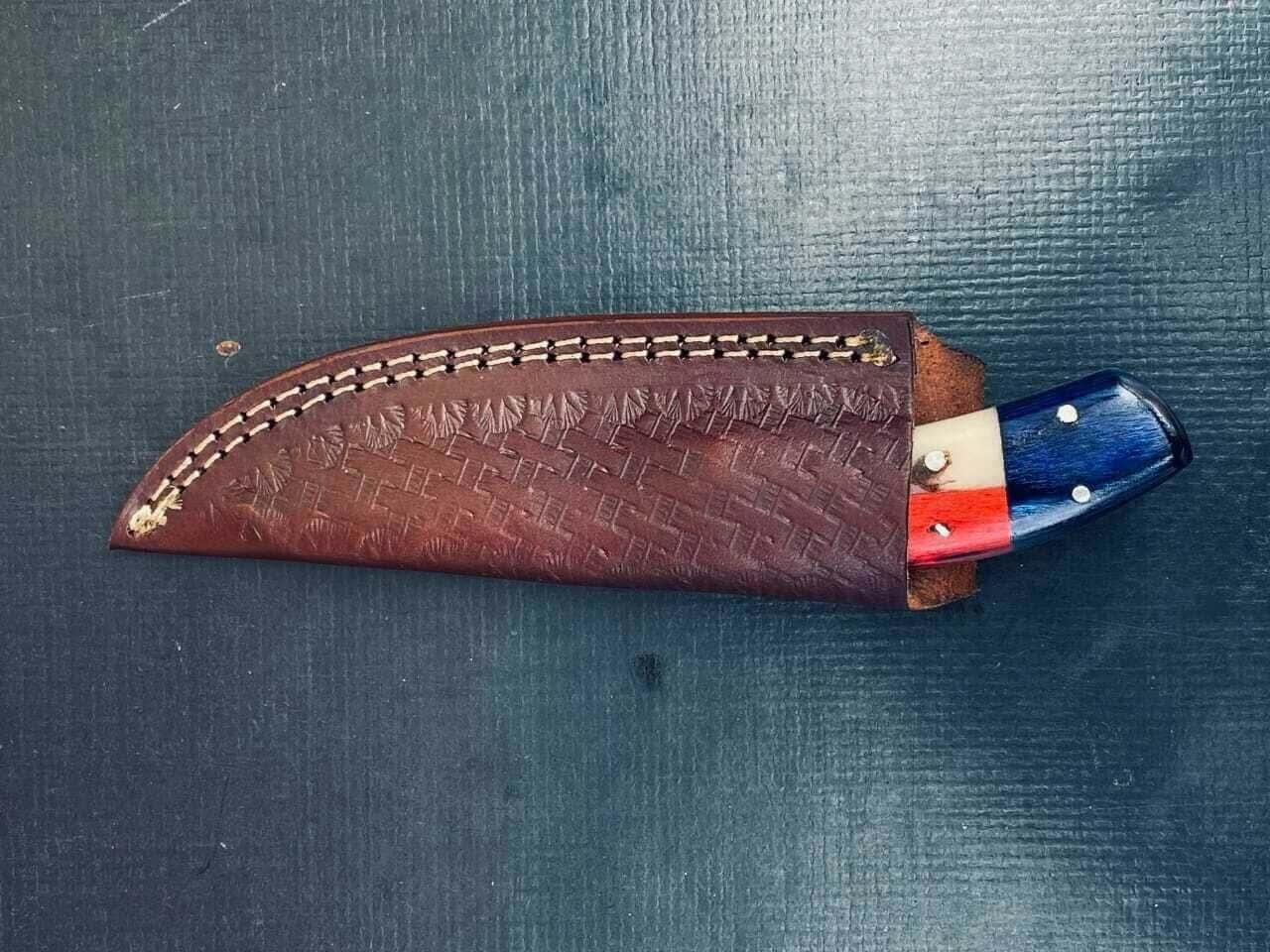
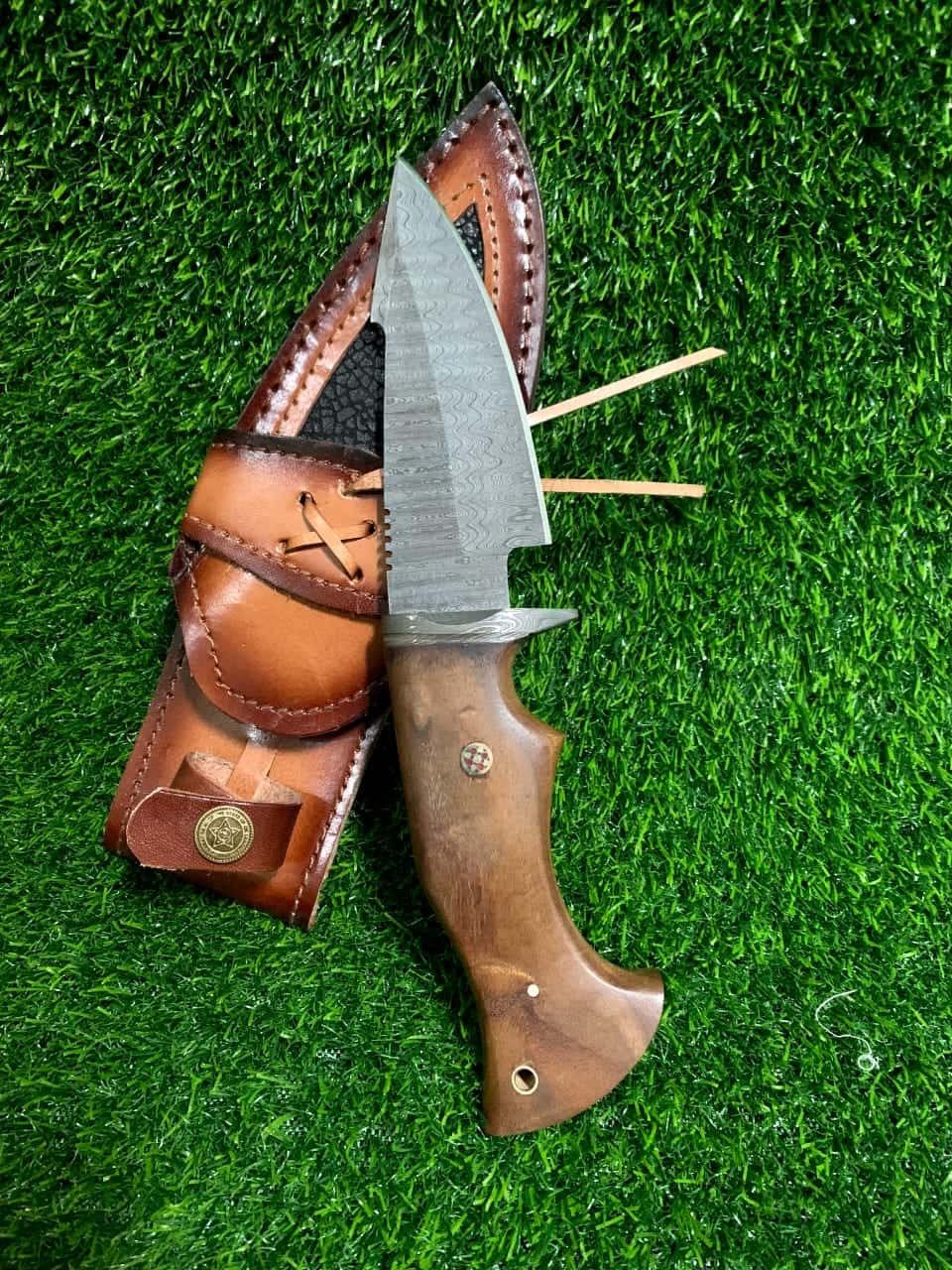
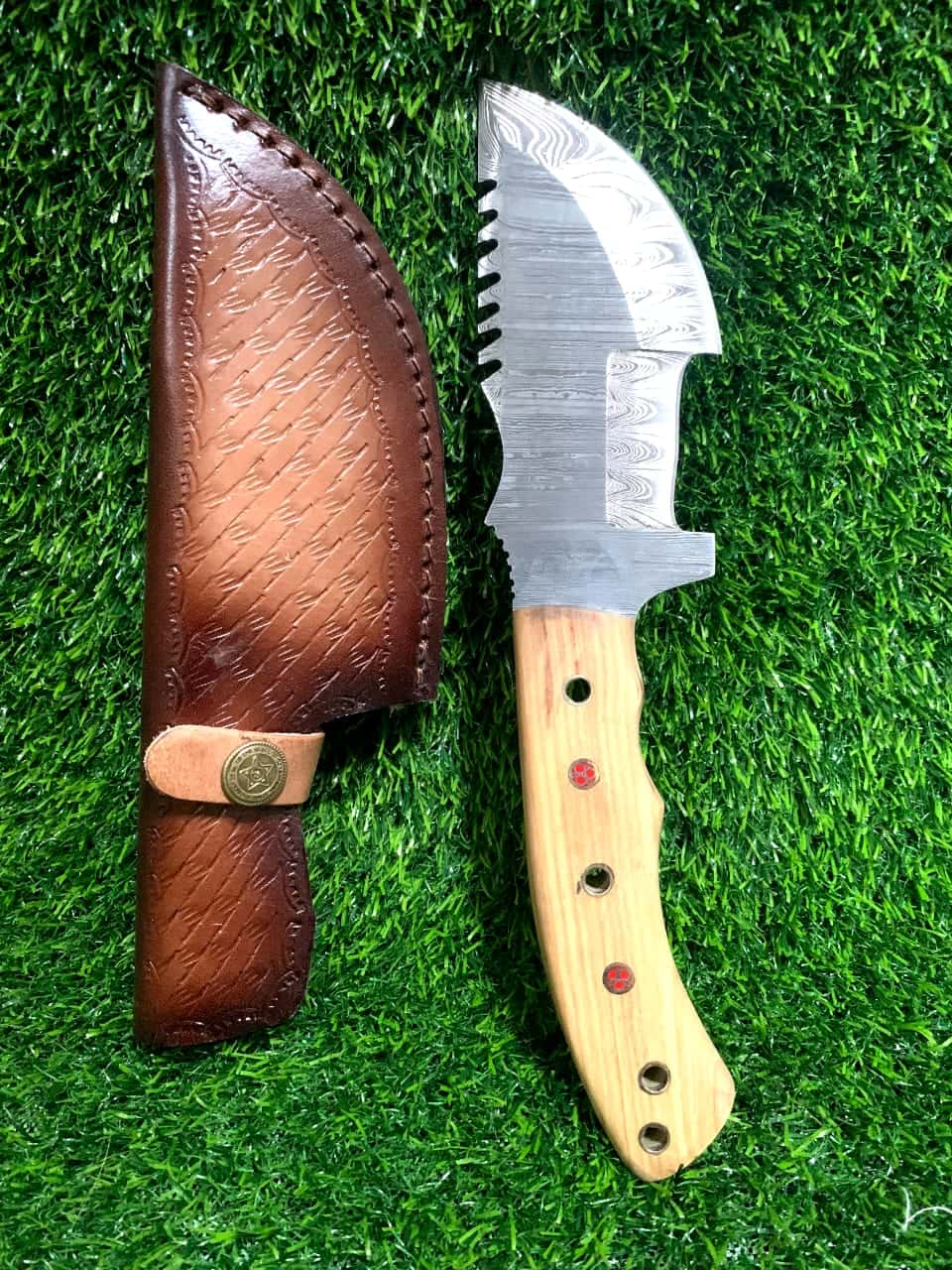
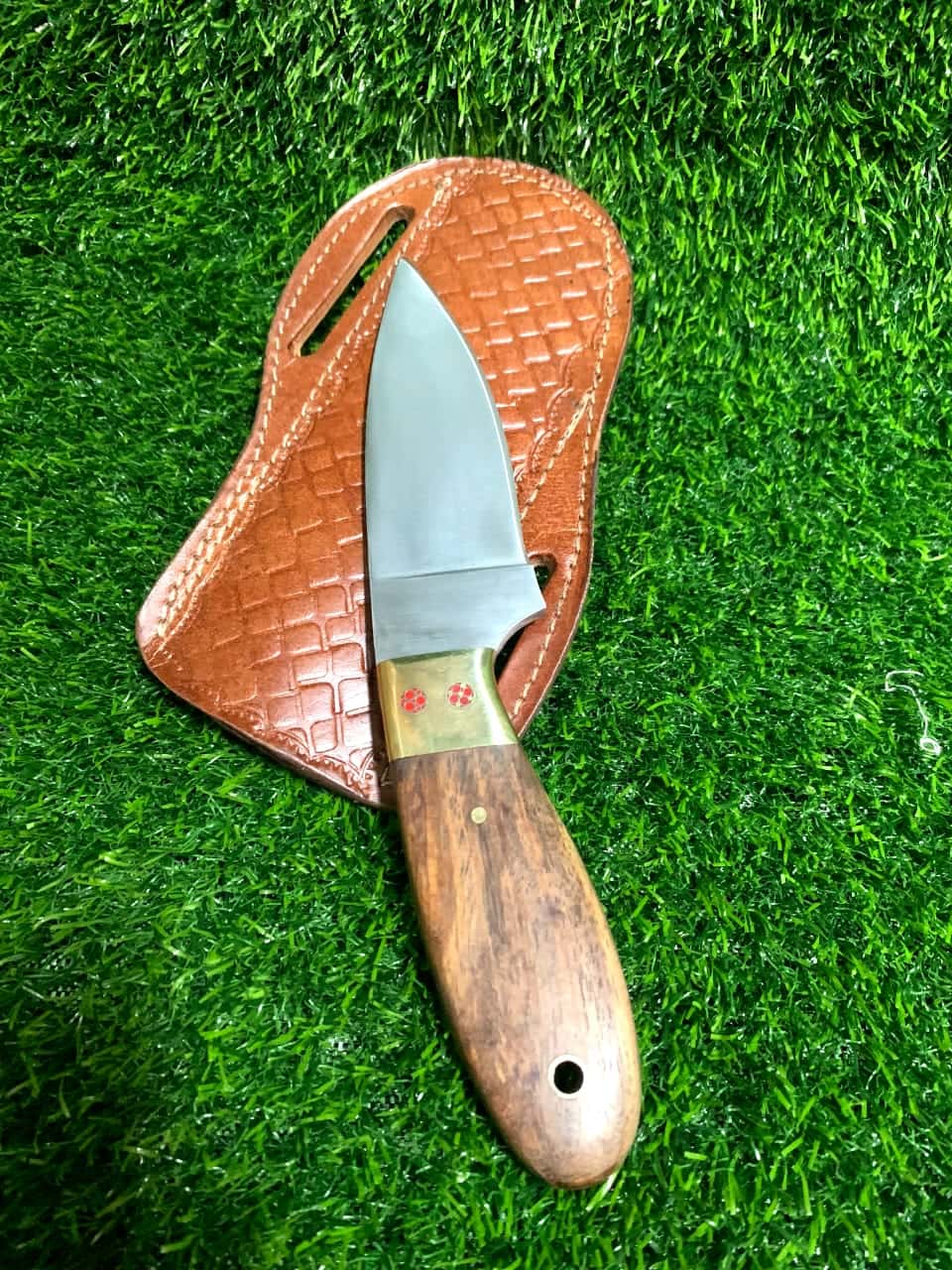
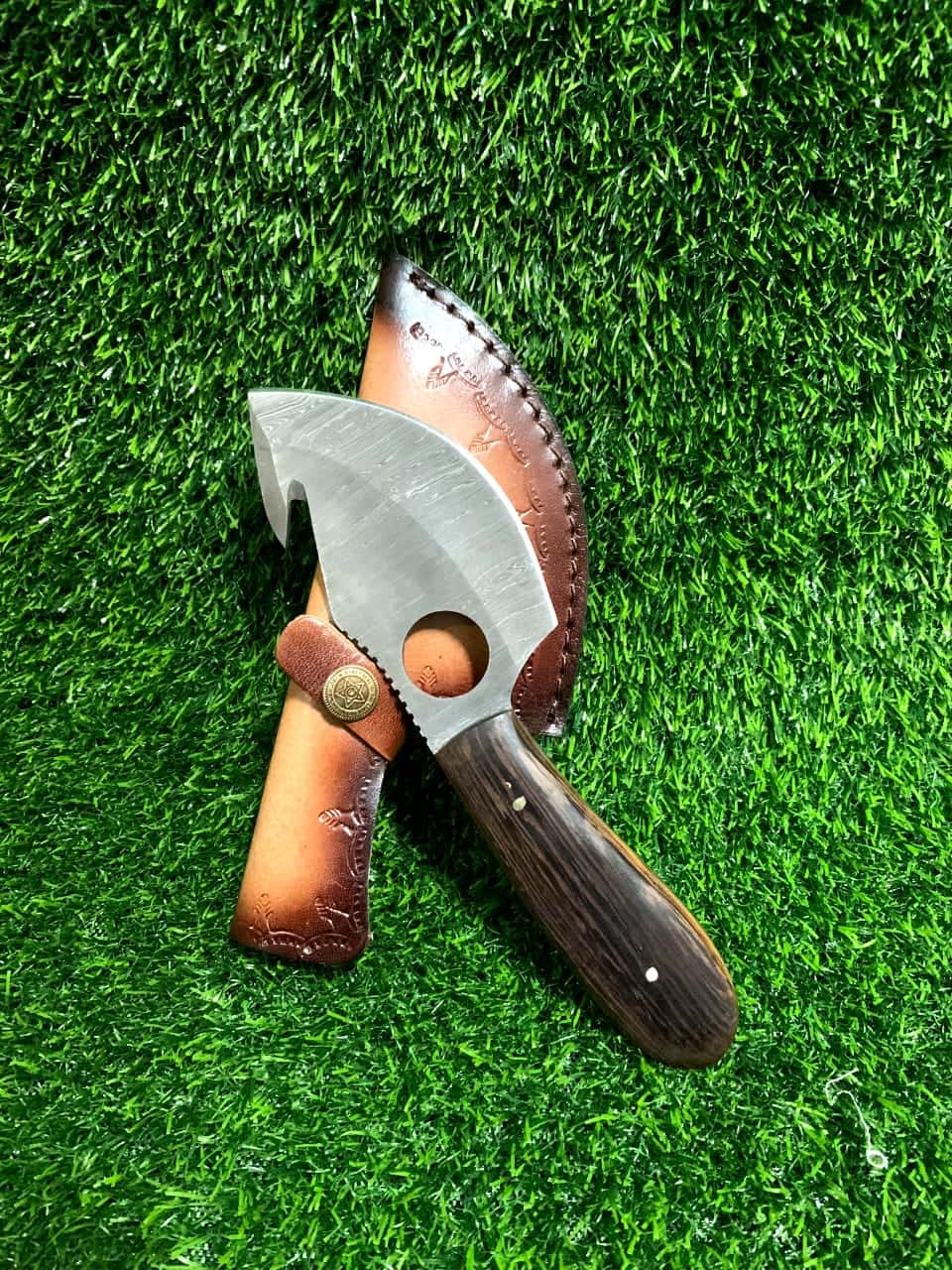
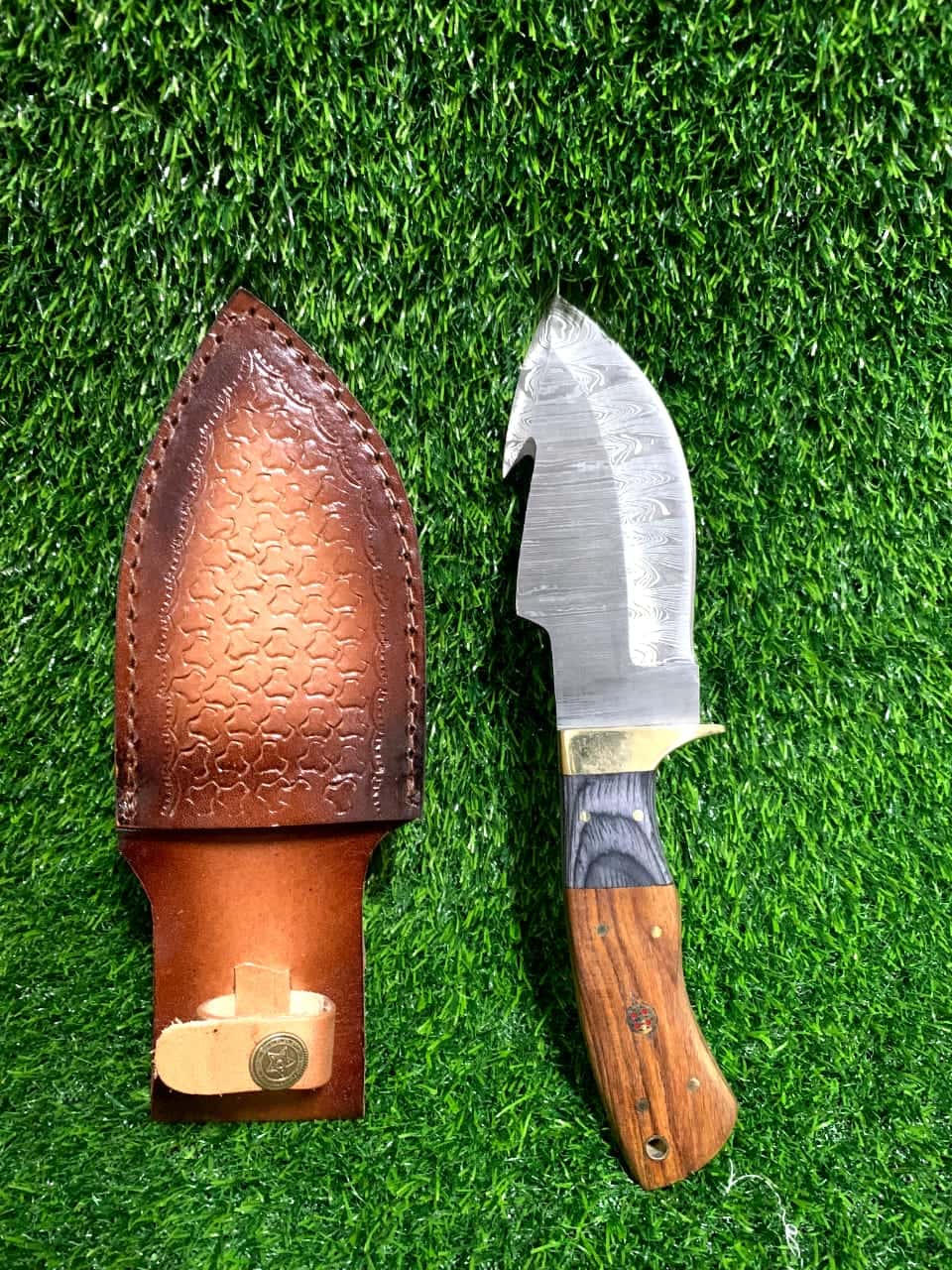
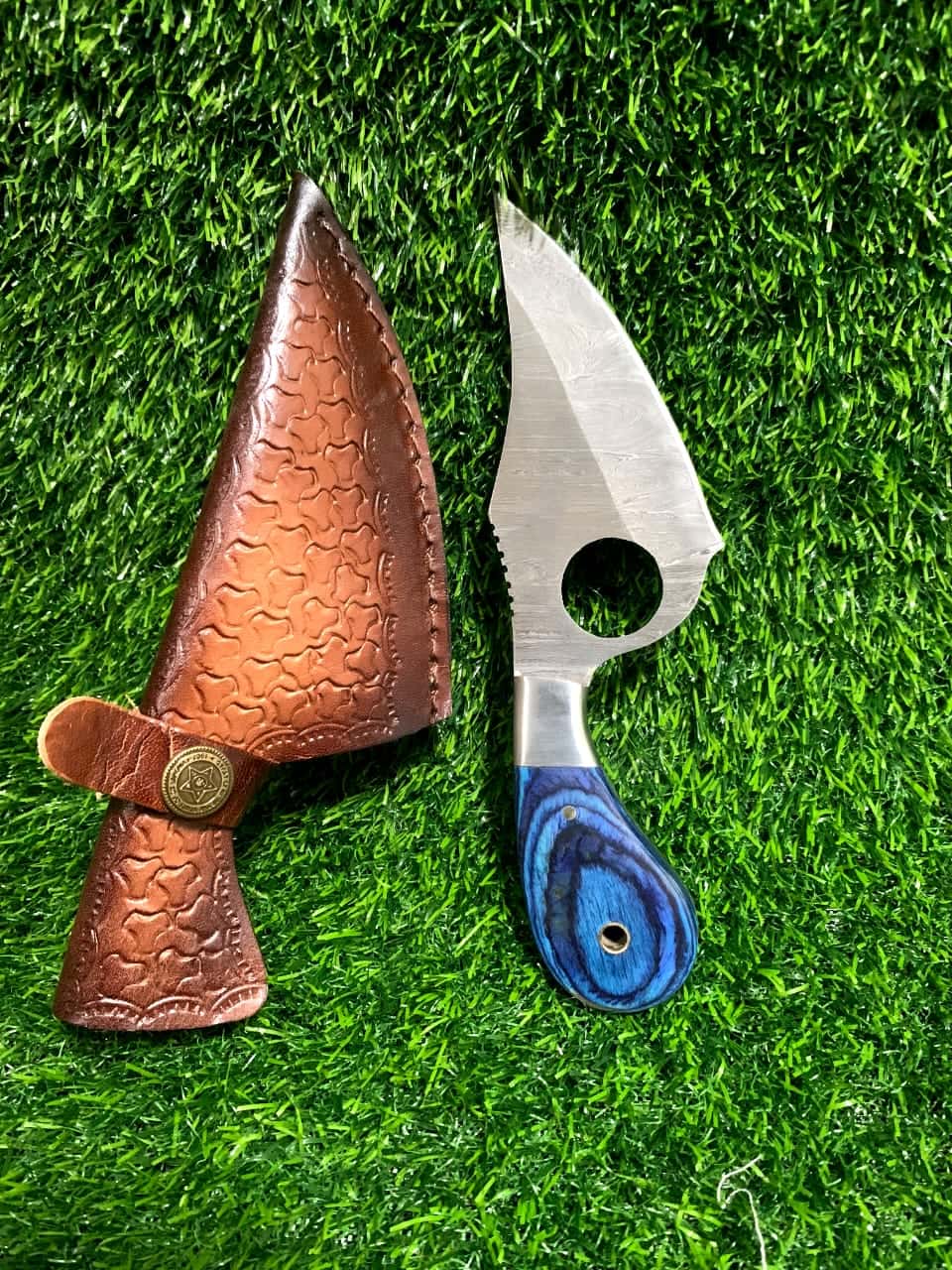
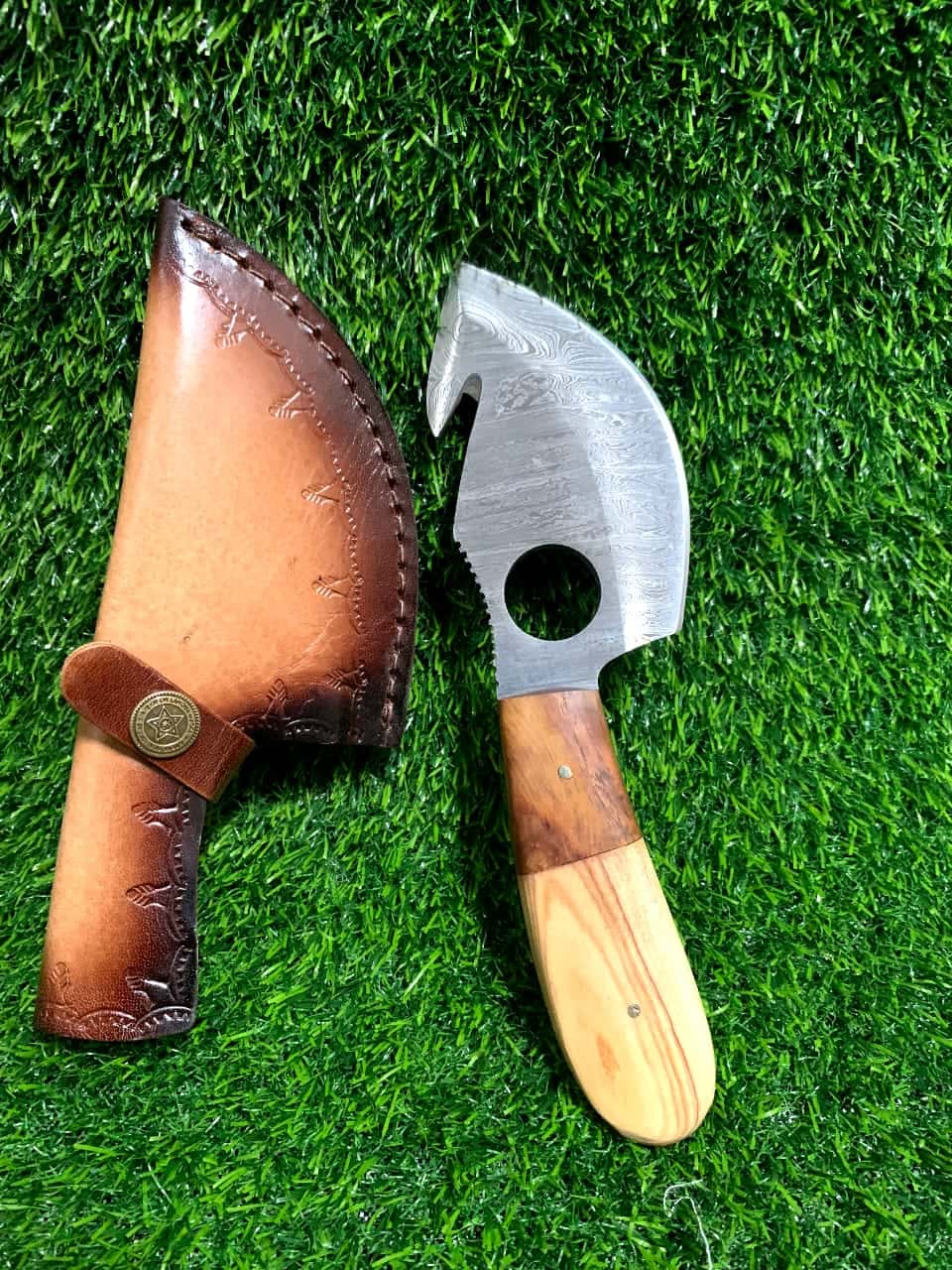
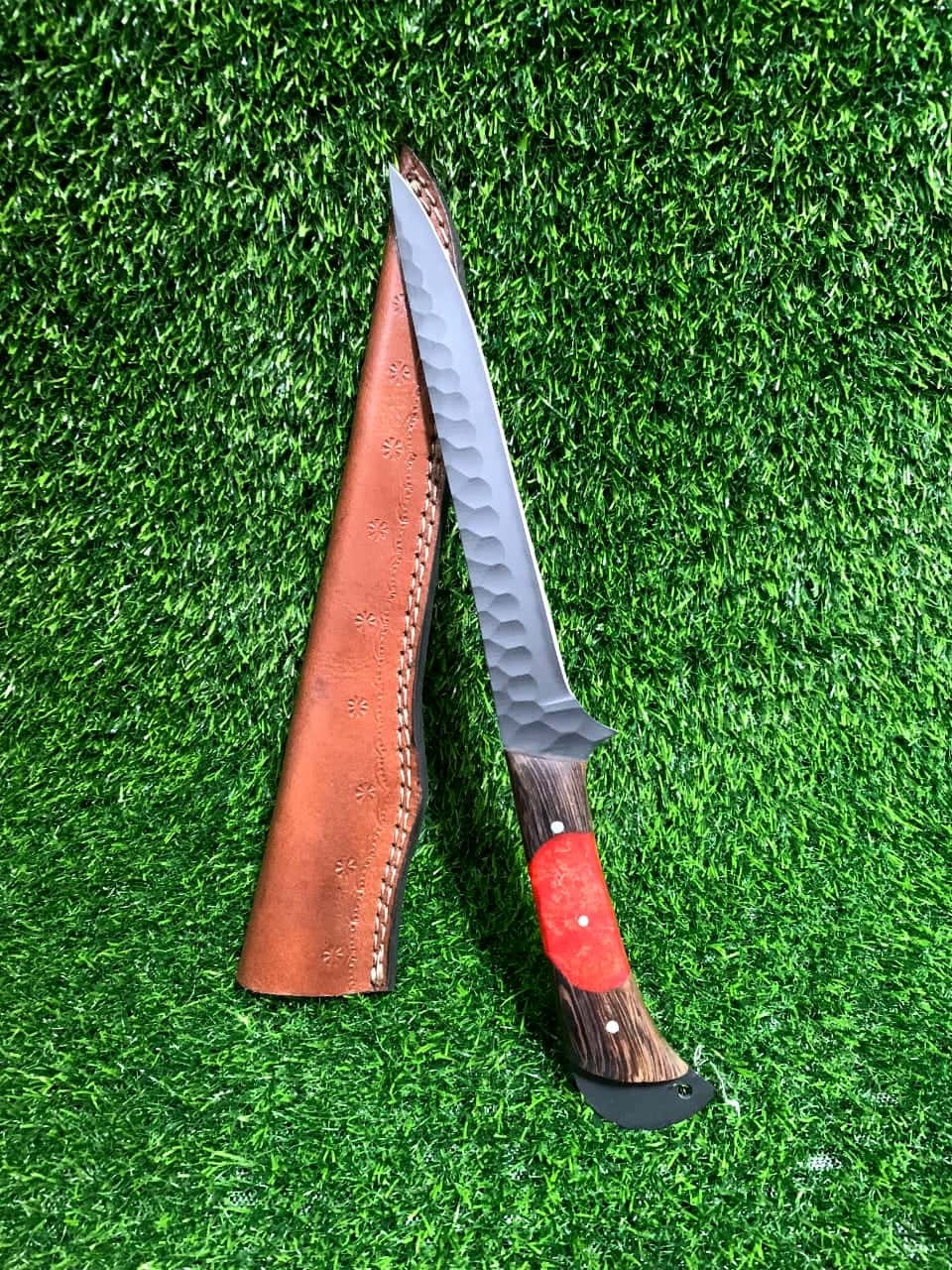
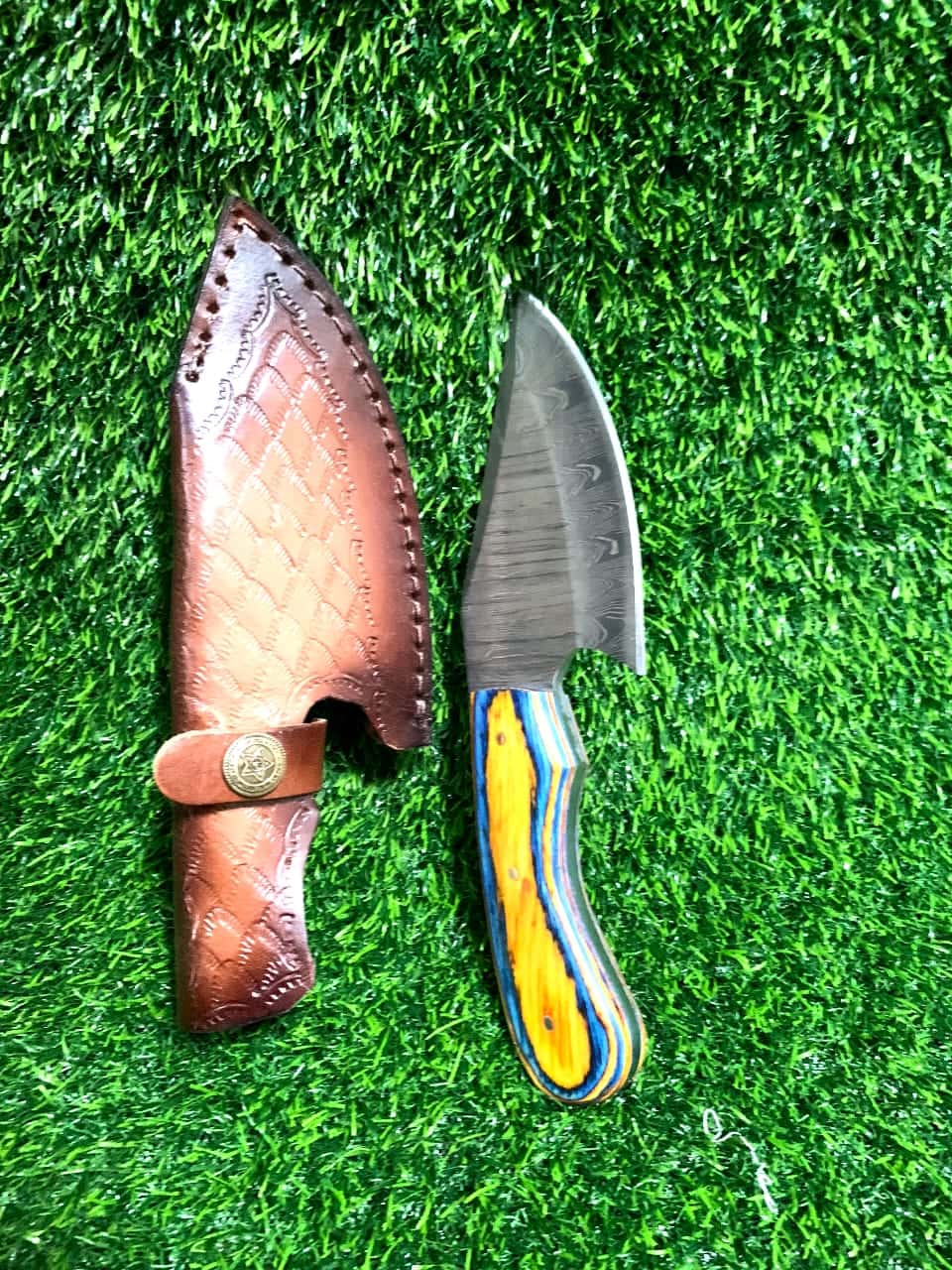
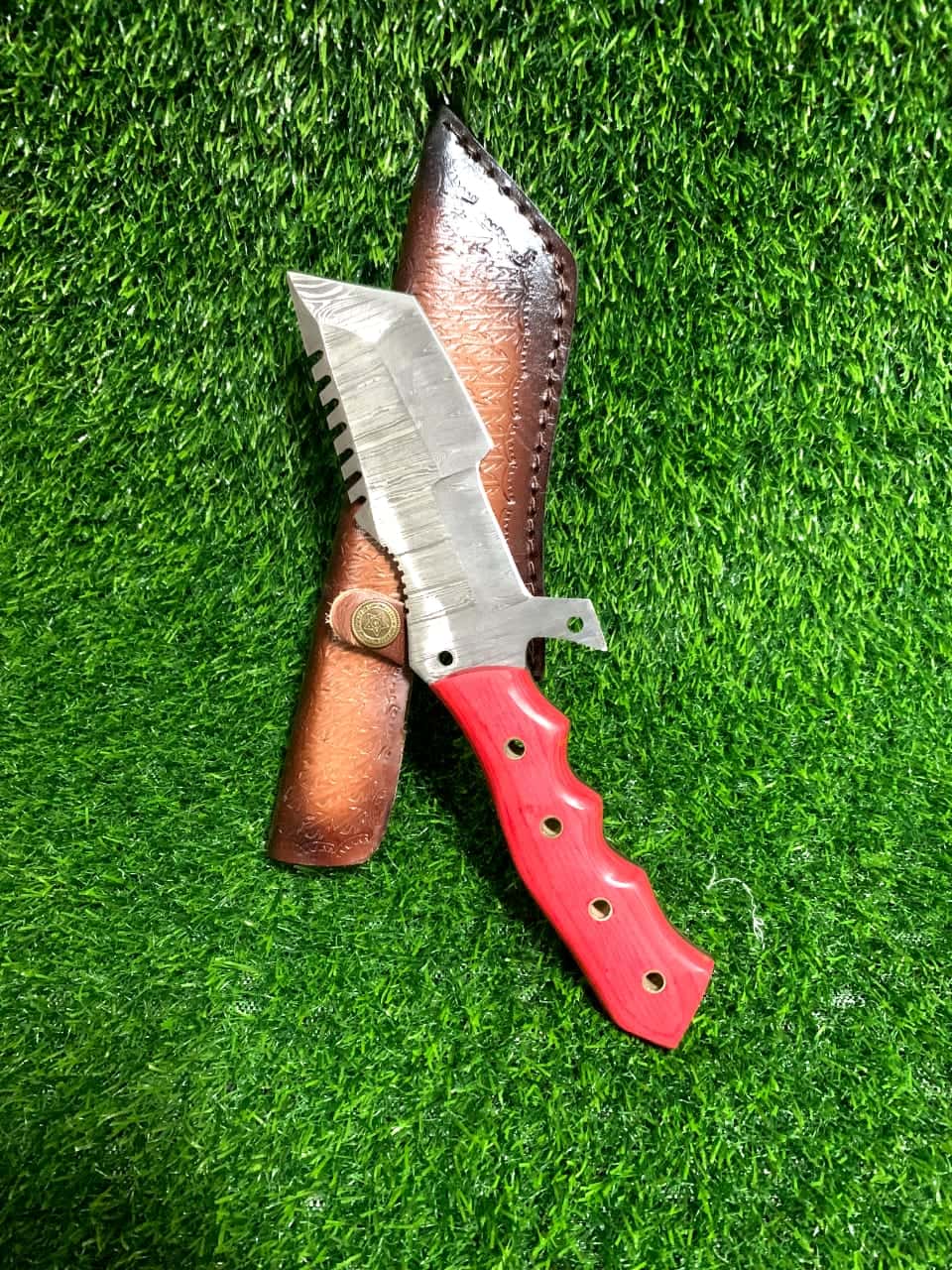
The kukri is a curved, forward-heavy knife from Nepal, best known as the knife of the Gurkha soldiers. It is a chopper, a camp knife and a symbol, all in one, and it is one of the most searched knife types in the world (about 13,000 searches a month for "kukri knife" in the US). A Damascus kukri adds a pattern-welded steel blade for a striking look. This guide covers the history of the kukri, how a kukri is built, what it is used for, how it differs from a machete, how Damascus steel works on a kukri, how to choose and care for one, the laws on owning and carrying a kukri, and how to order custom or wholesale kukri knives.
What Is a Kukri?
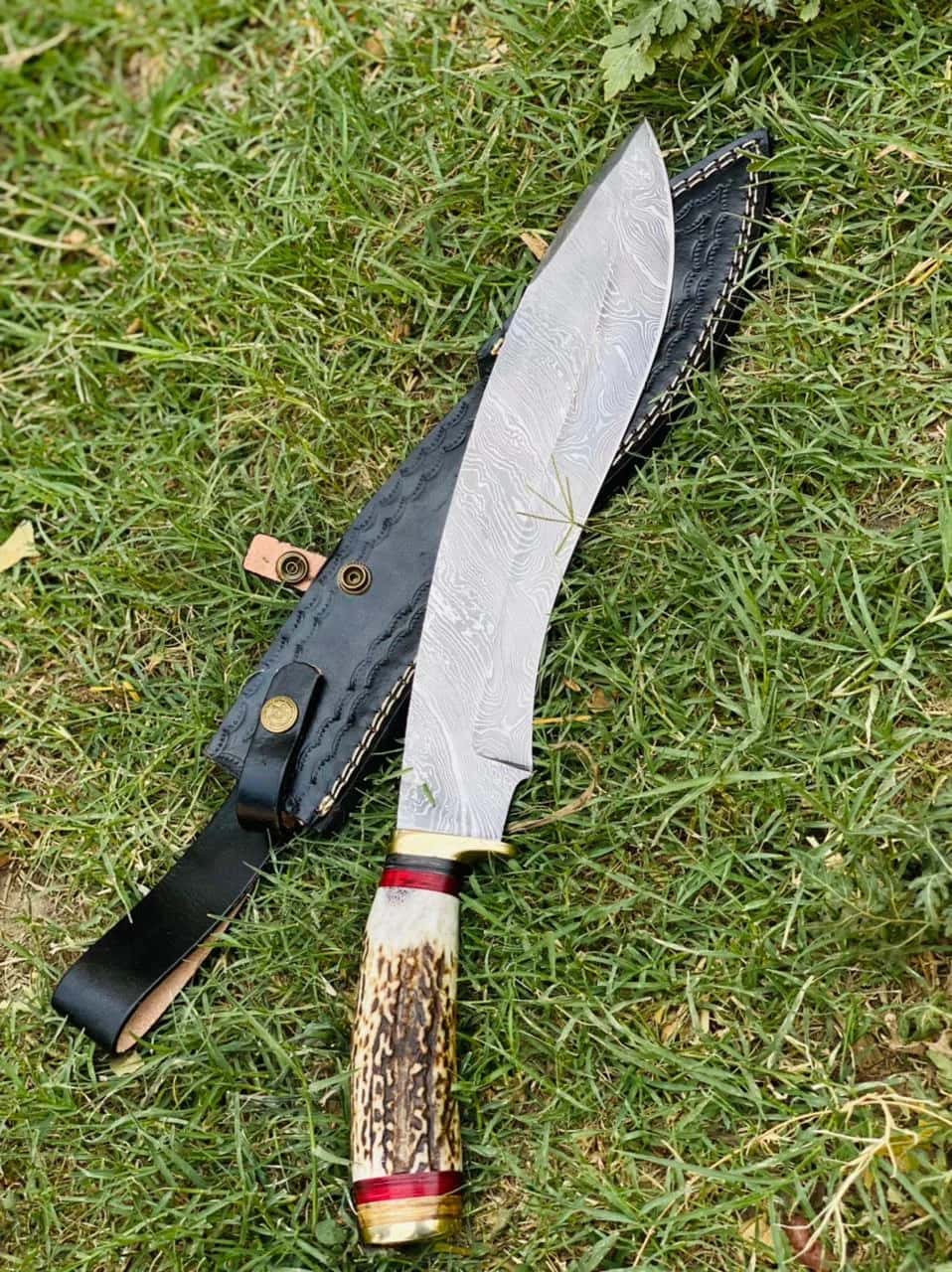
A kukri (also spelled khukuri) is a heavy knife with a blade that curves inward, which is thin at the handle and wide and thick towards the tip. This shape puts the weight forward, so that the blade chops with a lot of force while the curve slices. It is traditionally made in Nepal, and is used for everything from chopping wood and clearing brush to preparing food and ceremonial work.
History of the Kukri
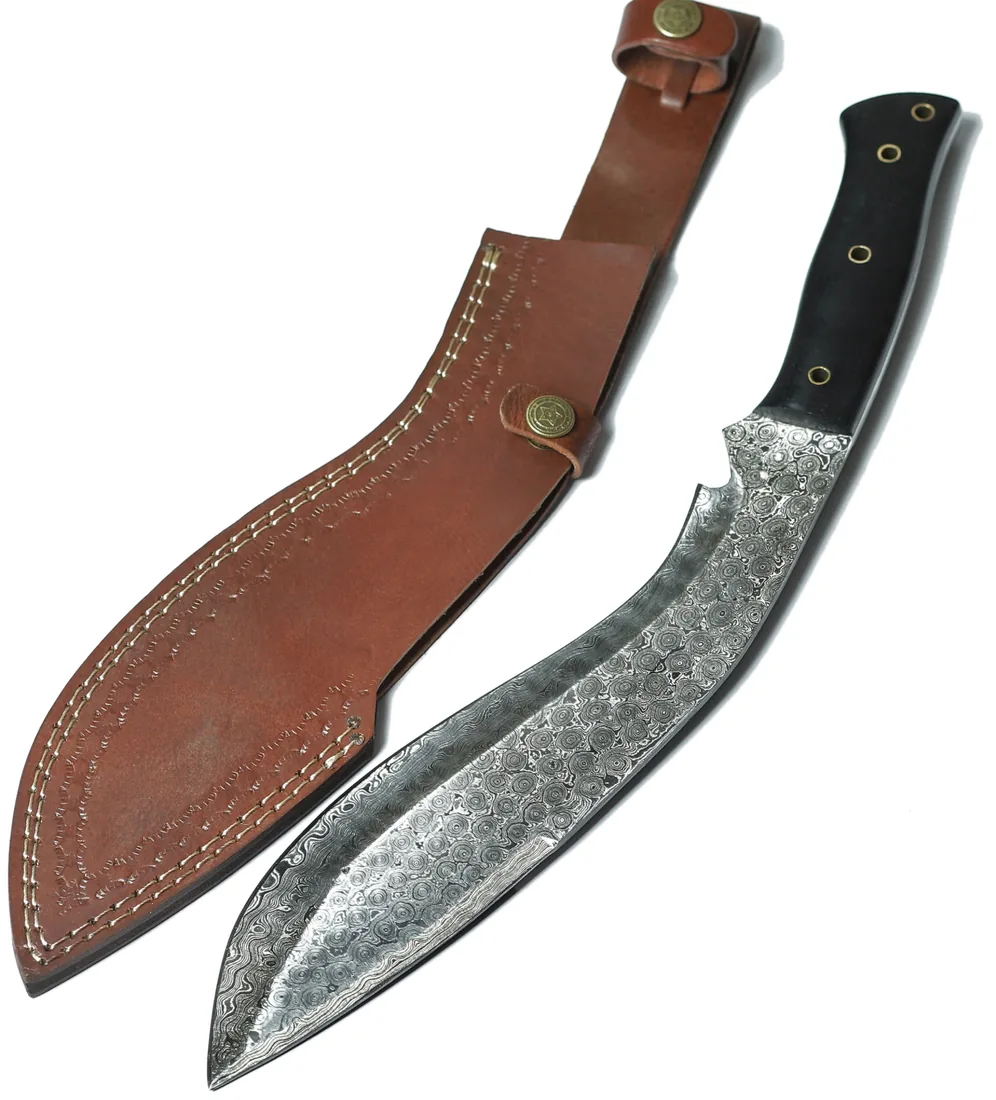
The kukri has been a working knife in Nepal for centuries, and is a national symbol. It became known around the world through the Gurkhas, soldiers from Nepal who have served in the British Army since the early 1800s, after the Anglo-Nepalese war of 1814 to 1816, as well as in the Indian Army. The kukri is part of the Gurkha uniform and tradition. Traditionally it is forged by blacksmiths in Nepal, often with a wooden or horn handle and a wooden scabbard covered in leather.
Parts of a Kukri
- Blade. The curved steel blade, usually 8 to 12 inches long, wide at the belly and narrow at the handle.
- Cho (kaudi). The small notch near the handle on the edge of the blade. Explanations vary, from practical (it stops the blade at the handle and catches debris) to ritual and symbolic.
- Spine. The thick back of the blade, which gives chopping weight.
- Handle. Wood, buffalo horn, stag, micarta or resin, often with brass or steel fittings and a pommel.
- Scabbard. A sheath of wood and leather, or a leather sheath, which holds the kukri on the belt. Traditional sets often include two small tools.
What Is a Kukri Used For?
- Chopping. The forward weight makes it good at splitting kindling and cutting branches.
- Camp tasks. Clearing brush, preparing wood, building shelters and cutting rope.
- Food preparation. Cutting meat and vegetables on the trail or at home.
- Self-reliance and survival. A single heavy-duty blade for many jobs.
- Ceremonial and display. The kukri is carried at ceremonies, and Damascus kukris are popular with collectors.
Kukri vs Machete
Searches for "kukri machete" are about 1,400 a month. They overlap, but the two knives are different.
- Kukri. Shorter, thicker and forward-heavy, with an inward curve. Better for chopping wood and for camp use, and for fine work near the handle.
- Machete. Longer and thinner, with a straighter blade. Better for clearing vegetation and for long cutting strokes, and lighter to swing for hours.
A kukri chops harder in a smaller package, while a machete clears more brush with less effort.
What Is a Damascus Kukri?
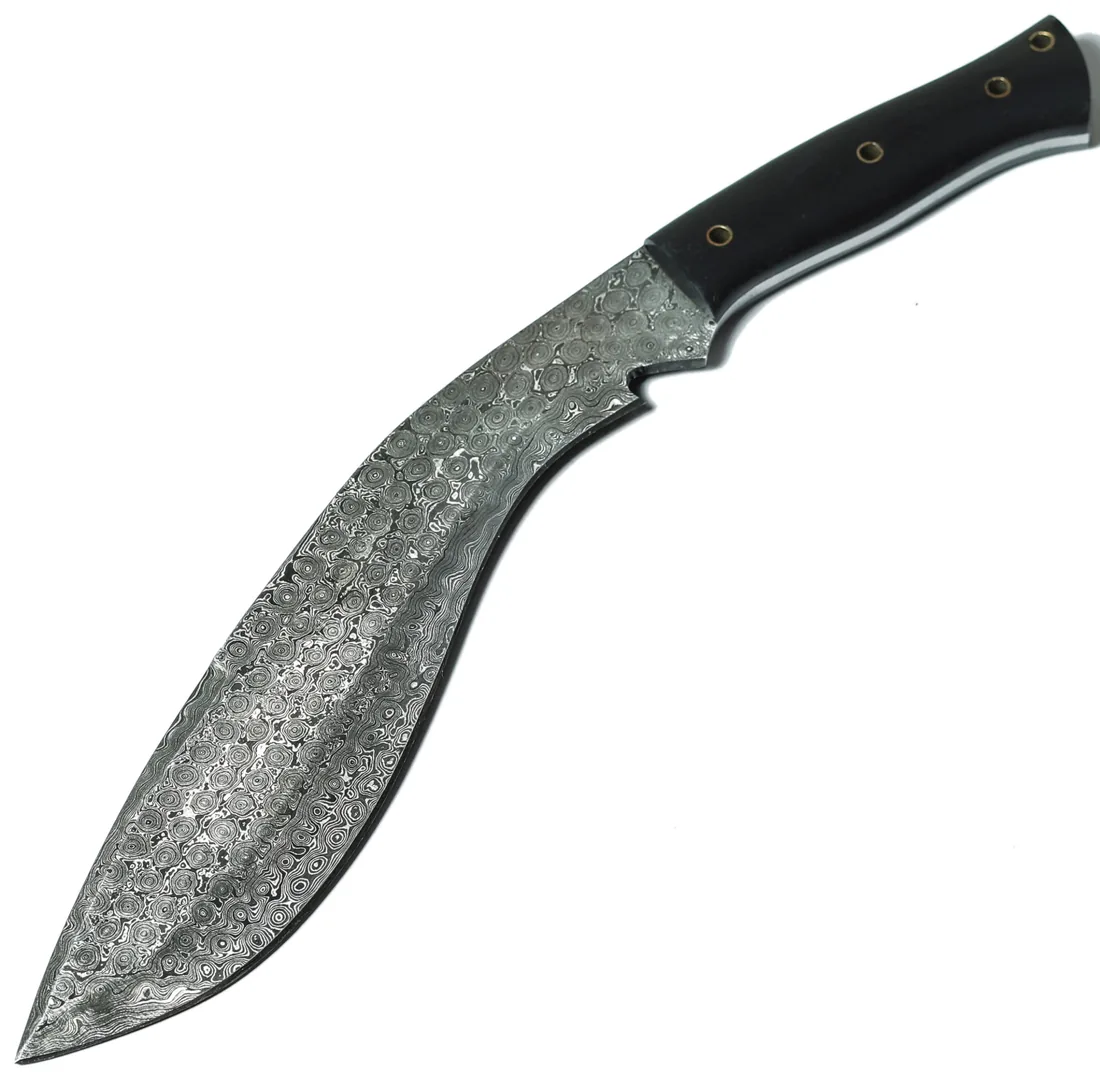
A Damascus kukri has a blade made of pattern-welded Damascus steel: layers of different steels are forge-welded, folded and etched, so that the layers appear as a wavy or ringed pattern. The best Damascus kukris are made from carbon steels such as 1095 and 15N20. They look striking, and are popular with collectors and as gifts. A kukri is a good size for showing off a pattern.
The pattern is decorative. How well the kukri chops and holds an edge depends on the steel, the thickness and the heat treatment. A thick, properly hardened blade does the work, whether it is Damascus or plain steel. Be careful with very cheap Damascus kukris with a pattern that is only etched on the surface. Read how to tell real from fake Damascus.
Traditional vs Damascus Kukri
- Traditional kukri. Forged from a single steel (often a spring or carbon steel), plain or with a rough forge finish. Tough, easy to repair and sharpen.
- Damascus kukri. More decorative, with a pattern on the blade. Often more expensive, and usually carbon steel, which needs care.
How to Choose a Kukri
- Blade length. 8 to 10 inches is a good all-round size. 12 inches and over gives more chopping power, but is heavy and harder to control.
- Weight and balance. A kukri should feel forward-heavy but not clumsy. Heavier is better for chopping, lighter for carrying.
- Blade thickness. A thicker spine is stronger for chopping. Too thick makes it a poor slicer.
- Tang. A full tang is the strongest. A hidden (stick) tang is lighter and traditional, if it is well made.
- Handle. Choose a handle with a good grip: micarta, buffalo horn, stabilised wood or wood. See our guide to knife handle materials.
- Sheath. A secure leather or wood-and-leather scabbard that holds the blade firmly. See the knife sheaths guide.
- Steel and finish. Stainless for low maintenance, carbon or Damascus for edge and looks.
How to Use a Kukri Safely
- Chop with a wrist-and-forearm swing, letting the blade weight do the work, and do not force it.
- Keep your free hand and legs clear of the swing, and chop on a stable block.
- Do not use a kukri to pry or hammer, which can chip or crack the edge.
- Always sheathe it when you are not using it.
How to Sharpen and Care for a Kukri
- Sharpen the bevel. Use a coarse stone or file for a dull edge, then a finer stone to finish. Keep the original angle.
- Do not grind away the cho. Sharpen up to the notch, and avoid rounding the edge near the handle.
- Dry and oil carbon steel. Wipe the blade after use and apply a thin coat of oil, especially for Damascus.
- Store it properly. Keep the kukri in a dry scabbard, and do not store a carbon steel blade wet inside leather.
- Look after the handle. Keep horn, wood and bone out of water and extreme heat.
Kukri Laws
A kukri is a large fixed blade, and the rules on owning, carrying and importing it differ between countries, and sometimes states and cities. In some places, such as the United Kingdom, carrying a large fixed blade in public without a good reason is an offence. This is general information, not legal advice. Check the rules for your market before you buy, carry or import a kukri.
Damascus Kukri Pros and Cons
- Pros. Striking looks, a unique pattern on every blade, a heavy-duty chopper, and a good gift or collector's item.
- Cons. Carbon steel needs dry storage and oiling, the pattern costs more, and quality varies between makers.
Custom and Wholesale Kukri Knives
Kukri knives are one of the most popular wholesale knife types. Makers in our network in Wazirabad, a Punjab city known for cutlery, hand-forge Damascus and carbon steel kukris in several sizes, with handles of black micarta, buffalo horn, stag or wood and stitched leather sheaths. You can choose the blade length, the pattern, the handle, the fittings and your logo. Send your requirement, the quantity and your destination, check that the style is legal in your market, and approve a sample before the full order.
Conclusion
The kukri is a heavy, curved knife from Nepal, made for chopping and general camp work. A Damascus kukri adds a distinctive pattern, but the steel, thickness and heat treatment decide how well it works. Choose a size and weight you can control, a secure handle and sheath, and look after the carbon steel. For retailers and brands, custom kukri knives from the makers give you your own design at a better price per knife.