Copper Damascus Knife: What It Is, Real vs Fake Damascus and How to Choose
Copper Damascus knife guide: what it is, how it is made, real vs fake Damascus steel, care, popular makers and custom or wholesale handmade Damascus knives.
A copper Damascus knife is a knife whose blade or fittings combine Damascus steel, the layered, patterned steel famous for its wavy lines, with copper. Copper is mostly for looks, because the steel does the cutting, and the warm colour of copper against dark steel makes each knife distinctive. This guide explains what copper Damascus is, how Damascus is made, how to tell real Damascus from fake, the main types of Damascus knife, how to care for one, which makers are known for Damascus, and how shops and brands can order custom or wholesale Damascus knives.
Damascus steel knives have a pattern of light and dark lines on the blade. A copper Damascus knife adds copper to that design. Copper can appear as thin layers in the blade, as a bolster, spacer or pin in the handle, or as an inlay. Copper melts at a lower temperature than steel is forge-welded, so makers use special methods to combine them, and some knives sold as copper Damascus use copper only in the handle fittings.
Copper does not make the blade sharper or stronger. The cutting edge is steel, and its sharpness and toughness depend on the steel and how it is hardened. Copper adds colour and character, and it darkens or turns green over time, like copper in a kitchen.
What Is Damascus Steel?
The name covers two different things:
Wootz (original) Damascus. Crucible steel first made in India and used for swords in the Middle East, famous for its watery pattern and sharp edge. The exact historic methods are debated, and the tradition was largely lost.
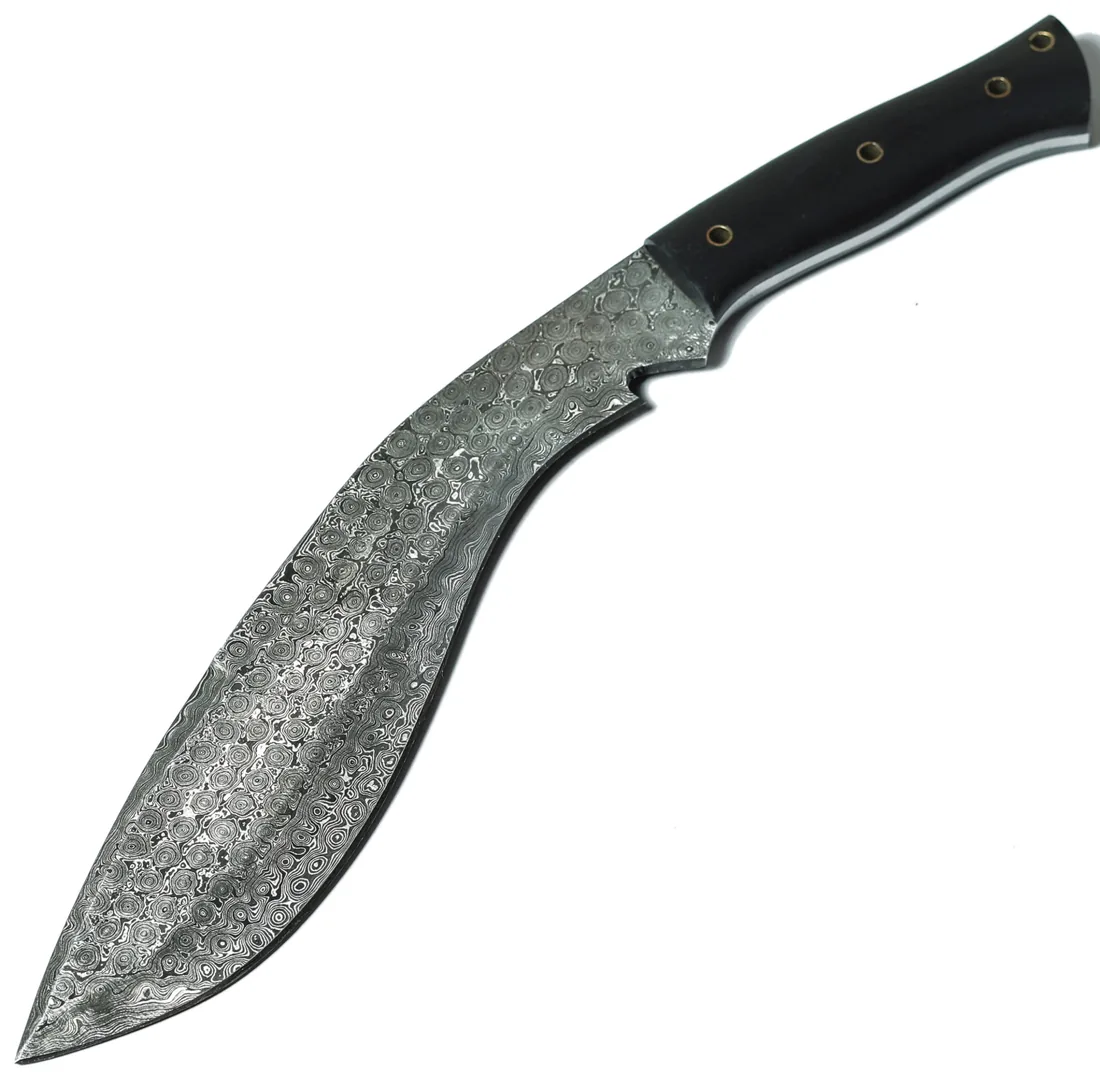
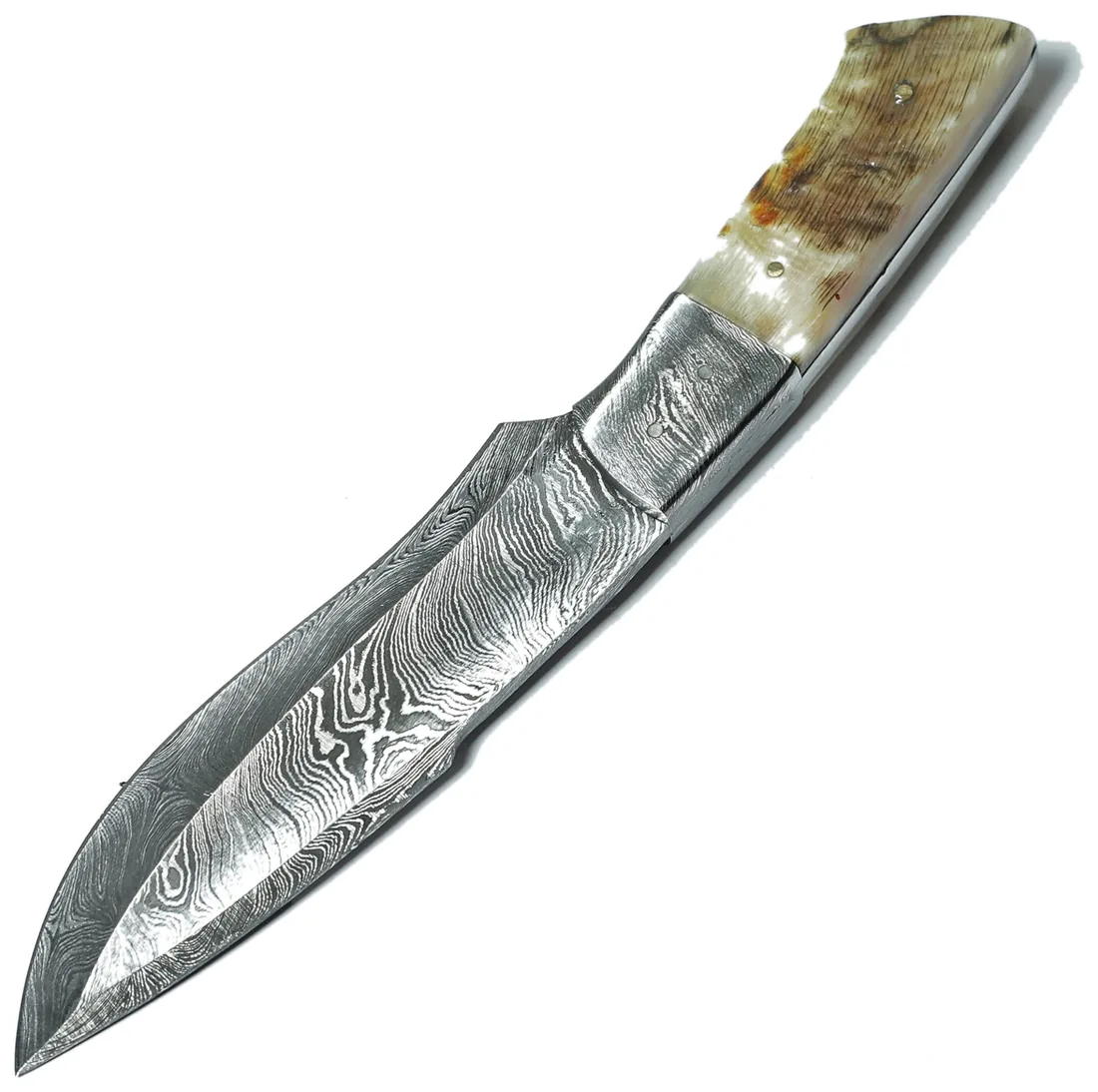
Pattern-welded (modern) Damascus. Layers of different steels, such as 1095 and 15N20, are heated and forge-welded together, then folded, twisted or hammered. The blade is etched in acid so the layers show as a pattern. This is what almost all Damascus knives today are made from.
Common patterns include wavy, ladder, raindrop and twist. The pattern is the visible result of the layers. It is the steel and the heat treatment that decide how well the knife cuts.
How a Damascus Knife Is Made
Stacking. Layers of different steels (and sometimes copper) are stacked into a billet.
Forge welding. The billet is heated and hammered until the layers bond.
Folding and patterning. It is folded, twisted or ground to create the pattern.
Shaping and heat treatment. The blade is forged and ground to shape, then hardened and tempered.
Etching and finishing. Acid etching reveals the pattern, and the blade is polished, the handle fitted and the knife sharpened.
Real vs Fake Damascus Steel
Real Damascus knives sell for more than plain steel, so fakes exist. These checks help you spot them.
Look at the spine and the end of the blade. In real pattern-welded steel the layers run through the blade, so you can see lines on the edges and ends. A fake pattern sits on the surface only.
Check that the pattern is not identical. Real hand-forged patterns vary from blade to blade and side to side. A laser-etched or printed fake looks the same every time.
Test the surface. A fake pattern can wear off or look blurry under a magnifier.
Ask for the steels. A maker should be able to tell you which steels are in the layers and how the blade is hardened. Be careful with very low prices and vague answers.
Types of Damascus Knives
Kitchen knives. Chef knives, cleavers, santoku knives and Damascus knife sets. See our guide to the best handmade kitchen knives.
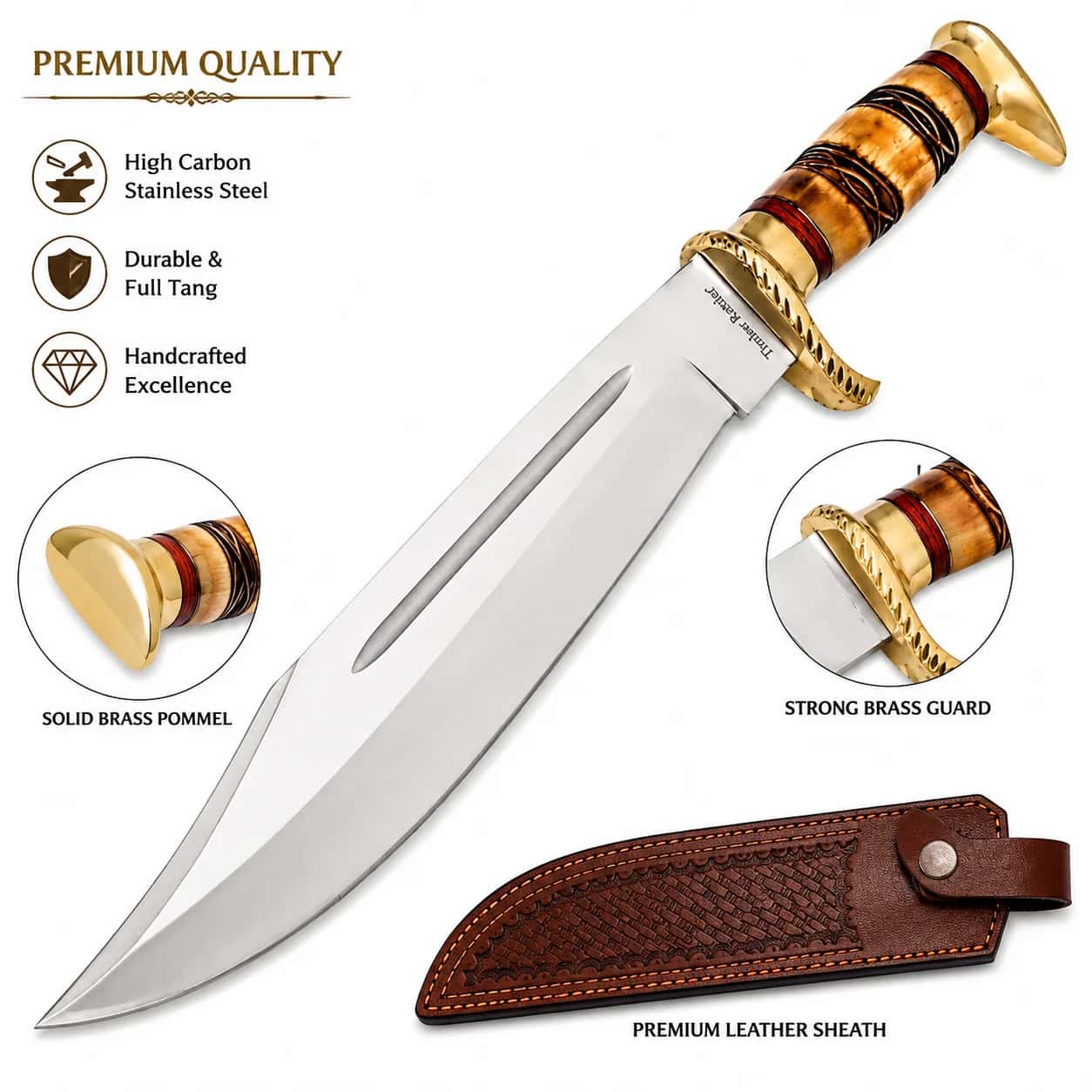
Bowie, kukri and tactical knives. Large fixed blades, often with a Damascus pattern and a handmade sheath.
Advantages and Limits
Looks. Every blade is different, and copper adds warmth.
Performance. A well-made Damascus blade can take a very sharp edge. That comes from the steels and the heat treatment, not the pattern.
Care. Most Damascus uses carbon steel, so it can rust if left wet.
Price. Handmade Damascus costs more than plain steel because of the extra forging.
How to Care for a Damascus Knife
Wash by hand with mild soap, and dry straight away. Never put it in a dishwasher.
Oil the blade lightly with mineral or food-safe oil after drying, especially before storing.
Avoid acidic foods left on the blade, which can mark the etched pattern.
Copper will darken or turn green over time. You can leave this patina or polish the copper with a copper cleaner, keeping it off the edge.
Sharpen on a whetstone, and store the knife in a sheath, roll or block.
Damascus Knife Makers and Brands
Damascus is made by makers and brands around the world. Well-known names in Damascus kitchen knives include Bob Kramer, Shun and Yoshihiro, and Böker makes Damascus pocket and outdoor knives. Copper Damascus is mostly an artisan and custom product, so check the maker's own description, because "Damascus" and "copper" are used loosely. Independent bladesmiths, including makers in Wazirabad, Pakistan, forge Damascus knives to order, often with custom handles and leather sheaths.
What to Look for When Buying a Damascus Knife
Purpose. Choose the knife type for the job: chopping, skinning, everyday carry.
Steels and hardness. Ask which steels are used and how the blade is hardened.
Blade length and balance. A knife should feel balanced and not too heavy.
Handle. Choose a material that is comfortable and fits your hand.
Genuine pattern. Check the spine and ends for layers.
Price. Set a budget, and be careful with very cheap "Damascus" knives.
Custom Copper Damascus Knives
A custom Damascus knife is made to your drawing or sample. You choose the blade shape, the pattern, the handle material and colour, and fittings such as copper or brass bolsters, spacers and pins. If you want copper, ask the maker whether the copper is in the blade or only in the handle fittings, and approve a sample before the full order.
Buy Damascus Knives in Bulk or Custom
If you run a shop, restaurant or brand, you can order Damascus knives in bulk. Makers in our network in Wazirabad, a Punjab city known for cutlery, make handmade Damascus knives to order, with your choice of handle, a handmade leather sheath and your logo.
A copper Damascus knife is a decorative, handmade knife, and the steel inside it decides how well it cuts. Learn to spot real pattern-welded Damascus, choose the knife type that suits your job, and look after the blade by drying and oiling it. For shops and brands, ordering custom Damascus knives from the makers gives you your own design and a better price per knife.
Frequently Asked Questions
What is a copper Damascus knife?
A knife that combines Damascus steel, layered steel with a wavy pattern, with copper, either in the blade or in handle fittings such as the bolster, spacers and pins. The steel does the cutting.
Is copper Damascus better than normal Damascus?
Not for cutting. Copper is decorative and adds colour, and it tarnishes over time. The sharpness and toughness come from the steel and its heat treatment.
How do I know if a Damascus knife is real?
Look at the spine and ends of the blade. In real pattern-welded Damascus the layers run through the steel. A fake pattern sits on the surface, looks identical on every knife, and can wear off.
Is Damascus steel good for kitchen knives?
Yes, if it is well made. It can take a very sharp edge and looks distinctive, but most Damascus is carbon steel, so you must dry and oil it. Ask the maker which steels are used.
How do you care for a Damascus knife?
Wash by hand, dry it straight away, oil the blade lightly and store it in a sheath or block. Avoid leaving acidic food on it, and never use a dishwasher.
What is the difference between wootz and modern Damascus?
Wootz was crucible steel made in India and used in the Middle East for swords. Modern Damascus is pattern-welded: layers of different steels are forge-welded and etched to show the pattern.
Can I order custom Damascus knives in bulk?
Yes. Makers can produce Damascus knives to your design, handle and logo, with leather sheaths, in bulk quantities. Ask whether any copper is in the blade or the fittings, and approve a sample first.
Are Damascus pocket knives legal to carry?
It depends on blade length, lock type and local law, not on the steel. Check the rules in your country, state and city before you buy or carry one.
You can view the products listed orsign up on Baramdat for free