
The short answer
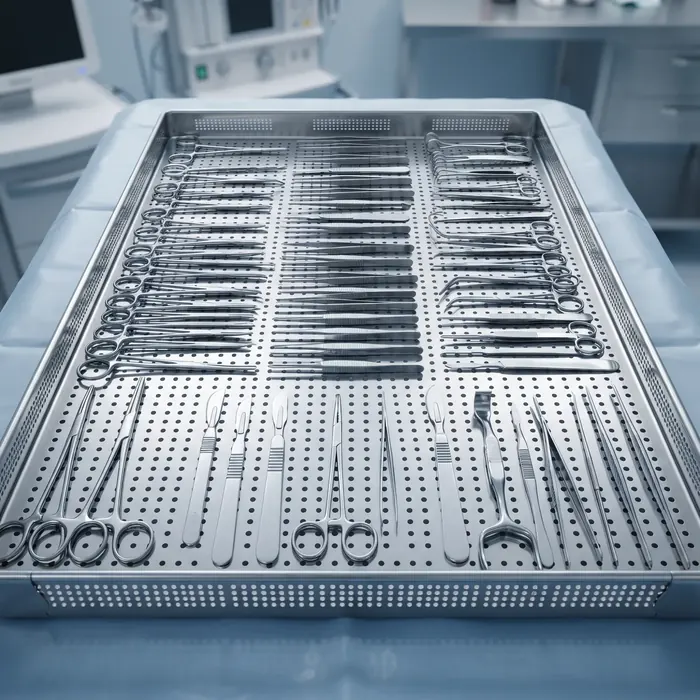
You can source cataract and eye micro-surgery instrument kits from Pakistani manufacturers, supplied with autoclavable trays and, for some makers, under your own brand. Micro-instruments depend on exact tip shape and alignment, so send a pattern list or a reference instrument, ask for the material and finish, and inspect a sample under magnification before you order.
What you can source
Ophthalmic is a narrower range than general surgical instruments. Suppliers on Baramdat list the kits below. If you need a particular pattern or single instruments, send us the details and we will ask makers to quote.
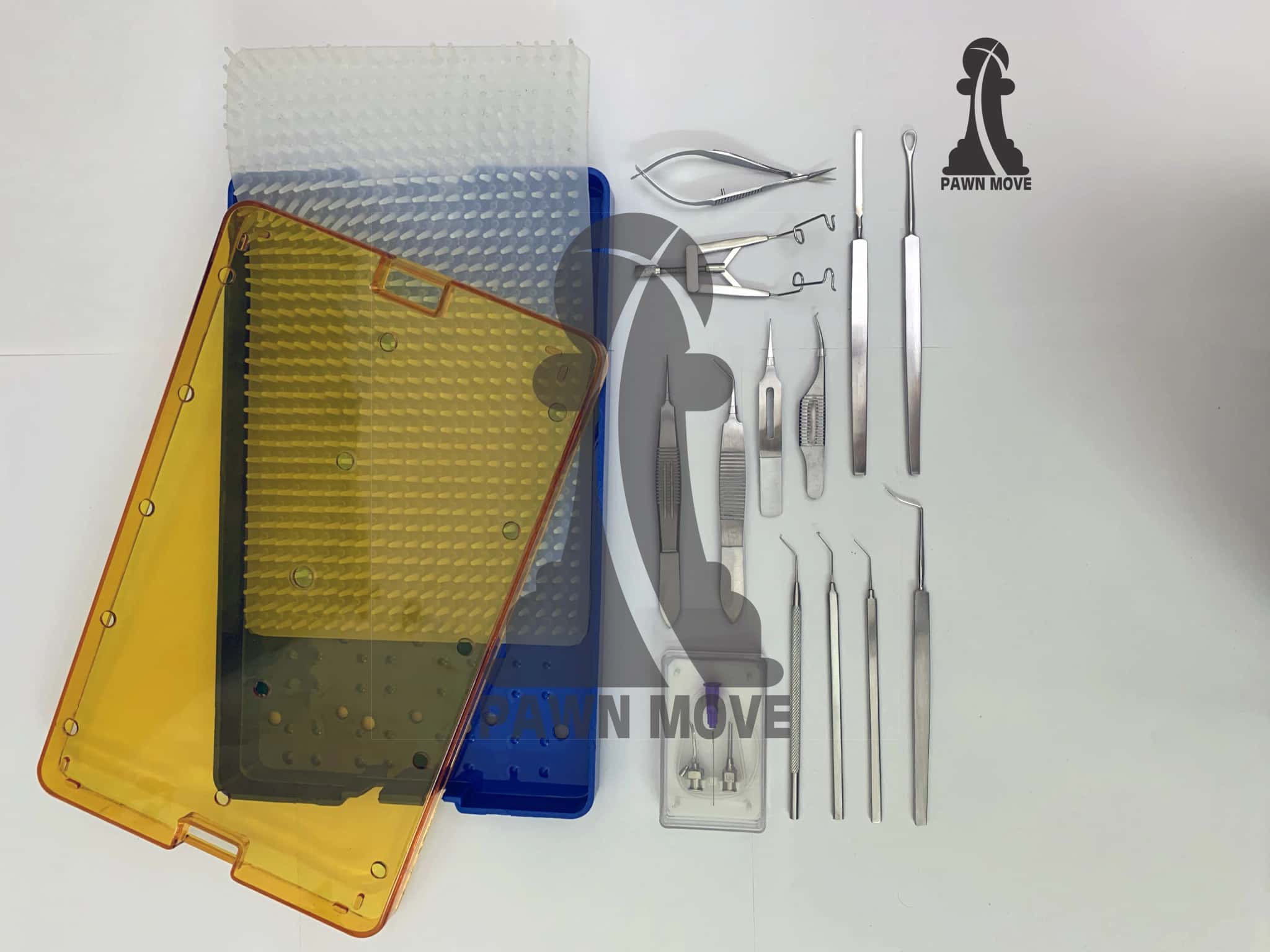
- Cataract surgery kits. Micro-surgery instrument kits for cataract procedures, supplied with an autoclavable tray.
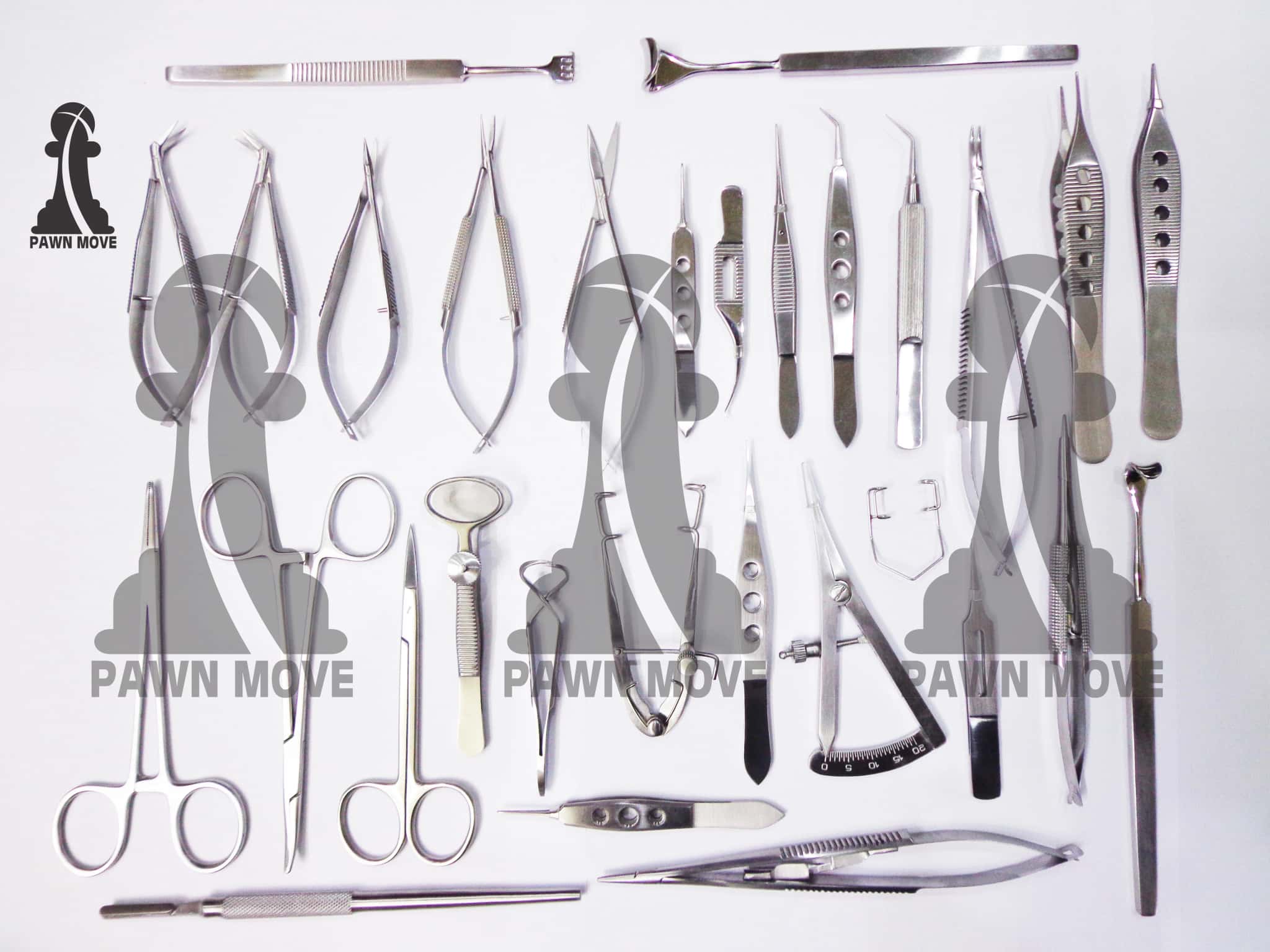
- General eye micro-surgery kits. Larger kits, for example in 30-piece sets, covering common eye surgery instruments.
- Single micro-instruments. Micro forceps, scissors, needle holders, hooks and speculums, depending on the maker. Ask us for a quote on the patterns you need.
What to specify before you ask for quotes
The difference between a good and a poor micro-instrument is often a fraction of a millimetre, so the brief should be exact.
| Detail | Why it matters |
|---|---|
| Instrument list and patterns | List every instrument in the kit. Send drawings, catalogue numbers or a reference instrument where you can. |
| Tip shape and size | Tip width, curvature and whether tips are fine, blunt, toothed or smooth. This decides how the instrument handles tissue. |
| Material | Stainless steel is common. Some buyers ask for titanium, which is lighter. Say what you need and ask for the exact grade. |
| Finish | A matte or non-reflective finish reduces glare under the operating microscope. |
| Handle | Round or flat handles and length, so the instrument suits how your surgeons hold it. |
| Tray and packing | Autoclavable tray or case, how instruments are protected inside it, and the outer packing. |
| Branding | Laser marking of your logo and article numbers, labels and packaging. |
Quality and compliance: what to ask for
Ophthalmic instruments are regulated medical devices. The rules depend on the country you sell in, so confirm them with your importer or a regulatory adviser. These are the usual questions to put to a supplier.
- Quality management system. Ask whether the factory holds a medical device quality certificate such as ISO 13485, and ask to see the certificate and its expiry date.
- Market approvals. CE marking for the EU, the current MHRA rules for the UK, and FDA registration and listing for the United States.
- Sterilisation. Ask for cleaning and steam sterilisation guidance, and whether the tray and the instruments are designed for repeated autoclave cycles.
- Material details. Ask for the steel or titanium grade and, where relevant, a material certificate for the batch.
How to check a sample
- Tips under magnification. Check tip alignment, shape and any burrs under a loupe or microscope. Tips of forceps and scissors should meet exactly.
- Spring action. Spring handles should open smoothly and return fully, with consistent tension from one instrument to the next.
- Finish. Look for even finish with no scratches or pitting near the working tips.
- Tray fit. Every instrument should sit securely in its place in the tray, with no contact between tips.
Minimum order, samples and lead time
Minimum orders, prices and lead times vary between suppliers and between standard and custom kits. Ask every supplier for a written quote that states the price per kit, the minimum order, the lead time and what is included, such as the tray and the laser marking.
Order a sample kit first and approve it in writing. We can help arrange samples and an independent inspection before shipment.
Ophthalmic instruments listed on Baramdat
A few of the products suppliers list on Baramdat today. Open one to see the supplier and ask for a quote.
Browse products on Baramdat
See what suppliers already list, or send a request below for anything you cannot find.
Want a shortlist of Pakistani suppliers?
Tell us what you want to buy and where to reach you. We reply within one business day. You pay suppliers directly, and any fee is agreed in writing first.
Frequently asked questions
Which ophthalmic instruments can I source from Pakistan?
Suppliers on Baramdat list cataract micro-surgery kits and larger eye micro-surgery kits with autoclavable trays. For single micro-instruments or specific patterns, send us the details and we will ask makers to quote.
Can I get ophthalmic instruments in titanium?
Some makers can work in titanium or in stainless steel. Say which you need and ask each supplier for the exact material and a material certificate.
How do I check micro-instruments before a bulk order?
Order a sample and inspect the tips under magnification, check the spring action and the finish, and check that every instrument fits securely in the tray. For larger orders, arrange an independent pre-shipment inspection.
Can the kits be made with my own brand?
Many manufacturers offer laser marking and custom packaging. Branded orders often have a higher minimum order, so ask each supplier for a written quote.
What certificates should an ophthalmic instrument supplier have?
Ask whether the factory holds a medical device quality certificate such as ISO 13485 and ask to see it. Depending on your market you may also need CE marking or FDA registration. Confirm the requirements with your importer or a regulatory adviser.
How do I get a quote?
Fill in the short form on this page with the kits or instruments you need, the quantity and your destination country. Our team replies within one business day. You pay suppliers directly, and any fee for our service is agreed in writing before work starts.