


baramdat logo

Wholesale Loose Gemstones for Jewelry Manufacturing & Trade

Source loose gemstones wholesale from verified suppliers — faceted and raw specimens for jewelry manufacturing, bulk lots, and gemstone trading. Browse listings today.

  • 1-3 of 3 items
  • 1

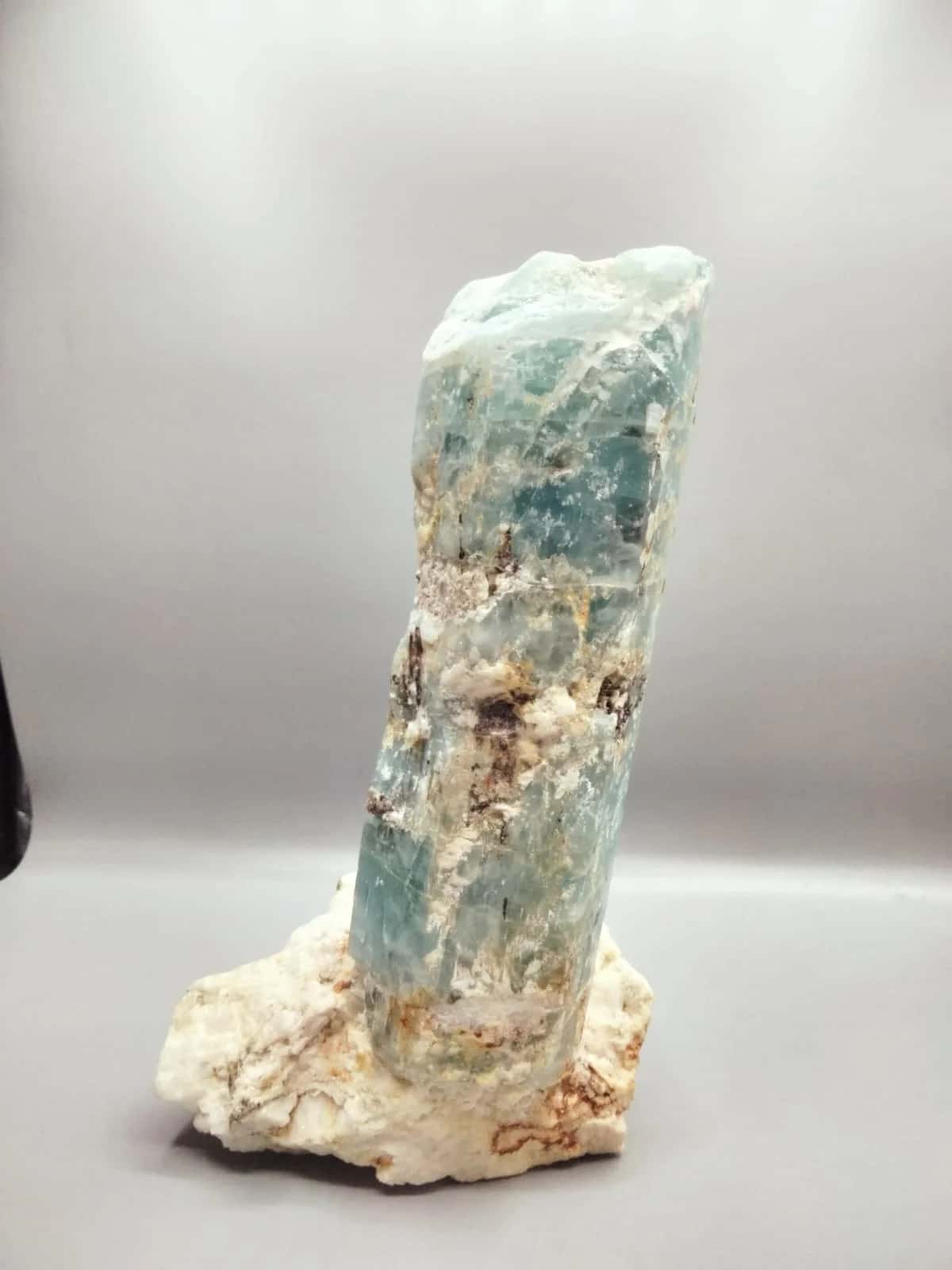
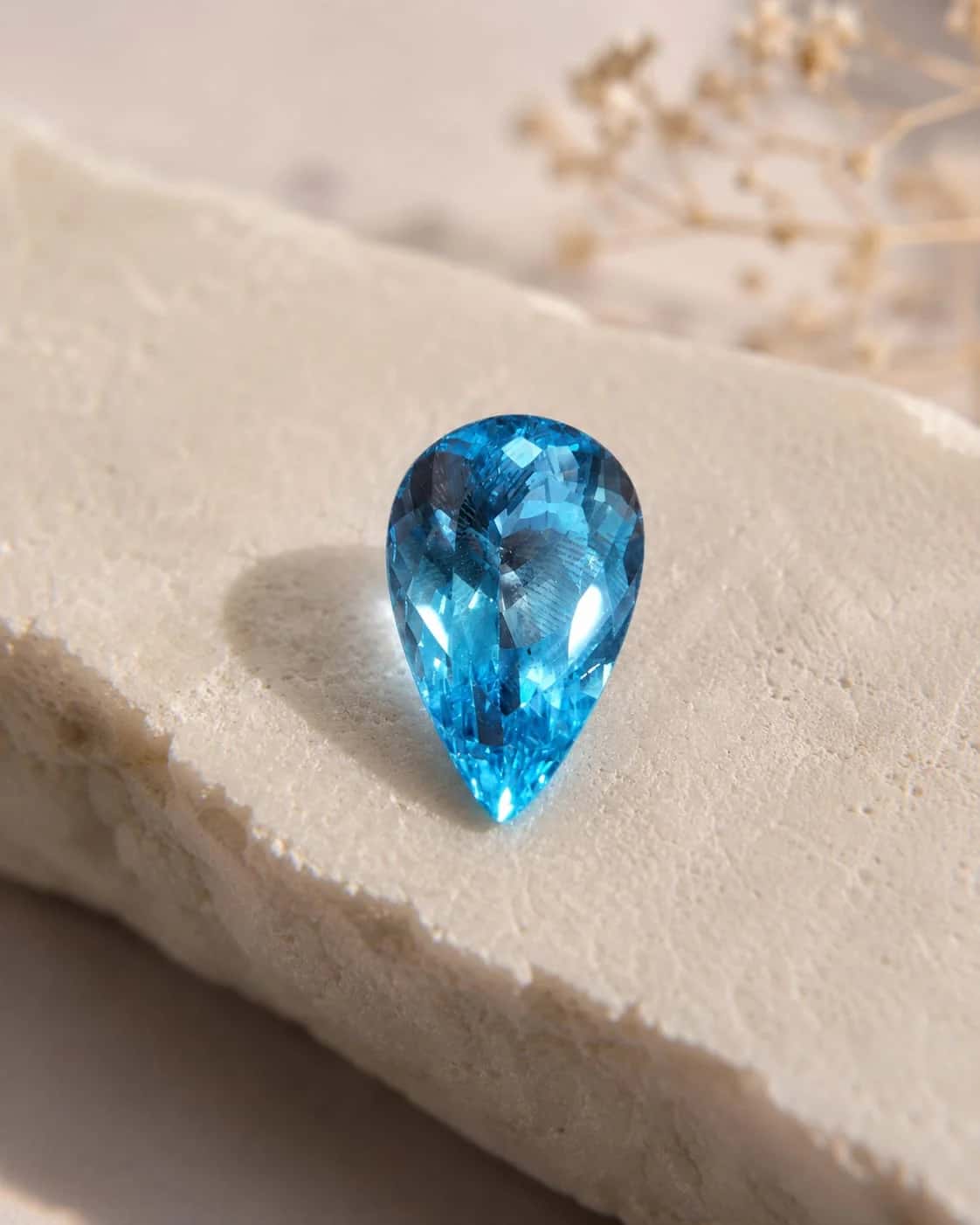
Loose gemstones are the raw material behind fine jewelry manufacturing, custom design work, and the wholesale gem trade — sold unmounted, either as faceted stones cut for setting or as natural raw specimens retained in their mineral form. For B2B buyers, sourcing loose gemstones at scale means navigating a category with real complexity: gemstones split broadly into precious and semi-precious groupings, and within each, quality and price hinge on the "four Cs" — color saturation and consistency, clarity (inclusion density and visibility), carat weight, and cut precision. Cut style matters as much as the stone itself: faceted cuts (round, pear, cushion, emerald-cut) are engineered to maximize light return for jewelry settings, while raw or rough specimens are sourced for collectors, mineral display, or lapidary work where the buyer intends to cut and polish the stone themselves.


Treatment disclosure is a critical sourcing consideration that buyers should always confirm before committing to a bulk purchase — many gemstones on the market are heat-treated, irradiated, or otherwise enhanced to improve color and clarity, and reputable suppliers disclose this upfront rather than passing treated stones off as fully natural. Natural, untreated stones typically command a premium; lab-created or synthetic gemstones are a distinct category entirely and should never be conflated with natural mined material in a listing. For buyers building inventory for a jewelry line, certification from an independent gemological lab (GIA, IGI, or an equivalent regional authority) adds a verifiable layer of trust that matters far more in bulk transactions than in single-stone retail purchases, where a buyer can physically inspect the piece before paying.


Some loose gemstones carry cultural or spiritual significance beyond their mineral properties — stones tied to regional traditions or religious practice are sourced by a distinct buyer segment seeking authenticity and provenance as much as gemological grade. Wholesale buyers in this category — jewelry manufacturers, gemstone traders, and lapidary workshops — should expect to evaluate suppliers on consistency across a lot (matching color and clarity across multiple stones for a production run), not just the quality of a single showpiece specimen.

Frequently Asked Questions

What's the difference between a faceted loose gemstone and a raw specimen?
A faceted stone has been cut and polished into a symmetrical shape designed to maximize brilliance for jewelry settings. A raw or rough specimen is sold in its natural, uncut mineral form — typically sourced by collectors, mineral enthusiasts, or lapidaries who plan to cut the stone themselves.
Are loose gemstones sourced through Baramdat natural or treated?
Treatment status varies by stone and supplier. Heat treatment and other enhancements are common industry practice for improving color and clarity, and reputable listings should disclose this. Buyers sourcing for high-value work should confirm treatment status and, where available, request certification directly with the seller before purchasing.
Can I purchase loose gemstones in bulk for jewelry manufacturing?
Yes — loose gemstones on the platform are available for wholesale and bulk purchase, suited to jewelry manufacturers, gemstone traders, and buyers building out a production line rather than sourcing a single piece.
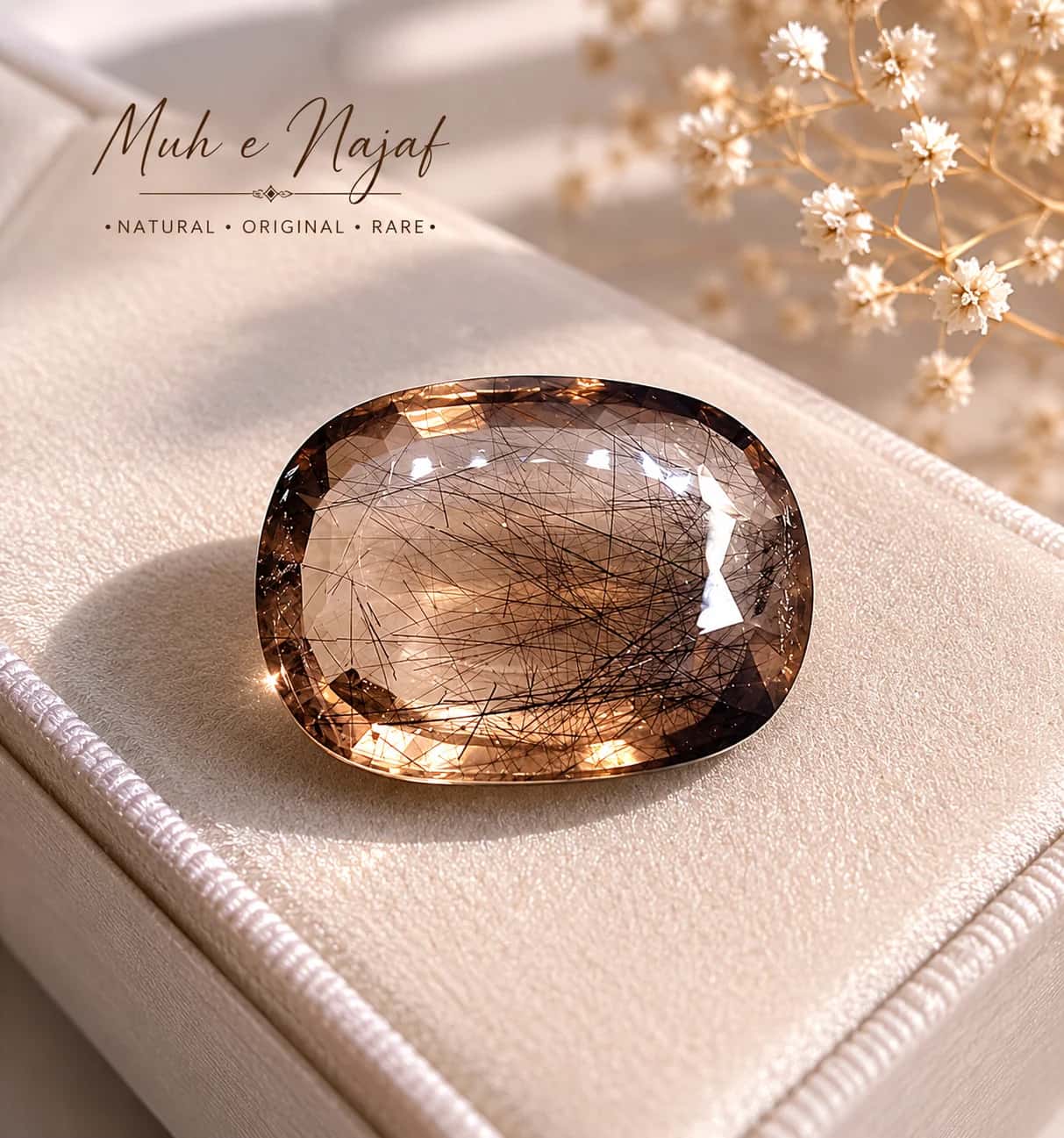
What is a Muh-e-Najaf stone?
It's a naturally faceted gemstone carrying religious and cultural significance in some South Asian and Middle Eastern markets, often sought by buyers for its spiritual associations as much as its gemological characteristics, distinct from conventional precious or semi-precious stone categories.
How do I evaluate gemstone quality before a bulk purchase?
Assess color consistency, clarity (visible inclusions), carat weight, and cut precision. For larger orders, consistency across the full lot matters more than any single stone — request sample images or documentation from the seller to confirm the batch matches the listing before committing.