


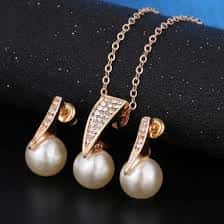
What kinds of products are included in the Jewelry & Gemstones category?
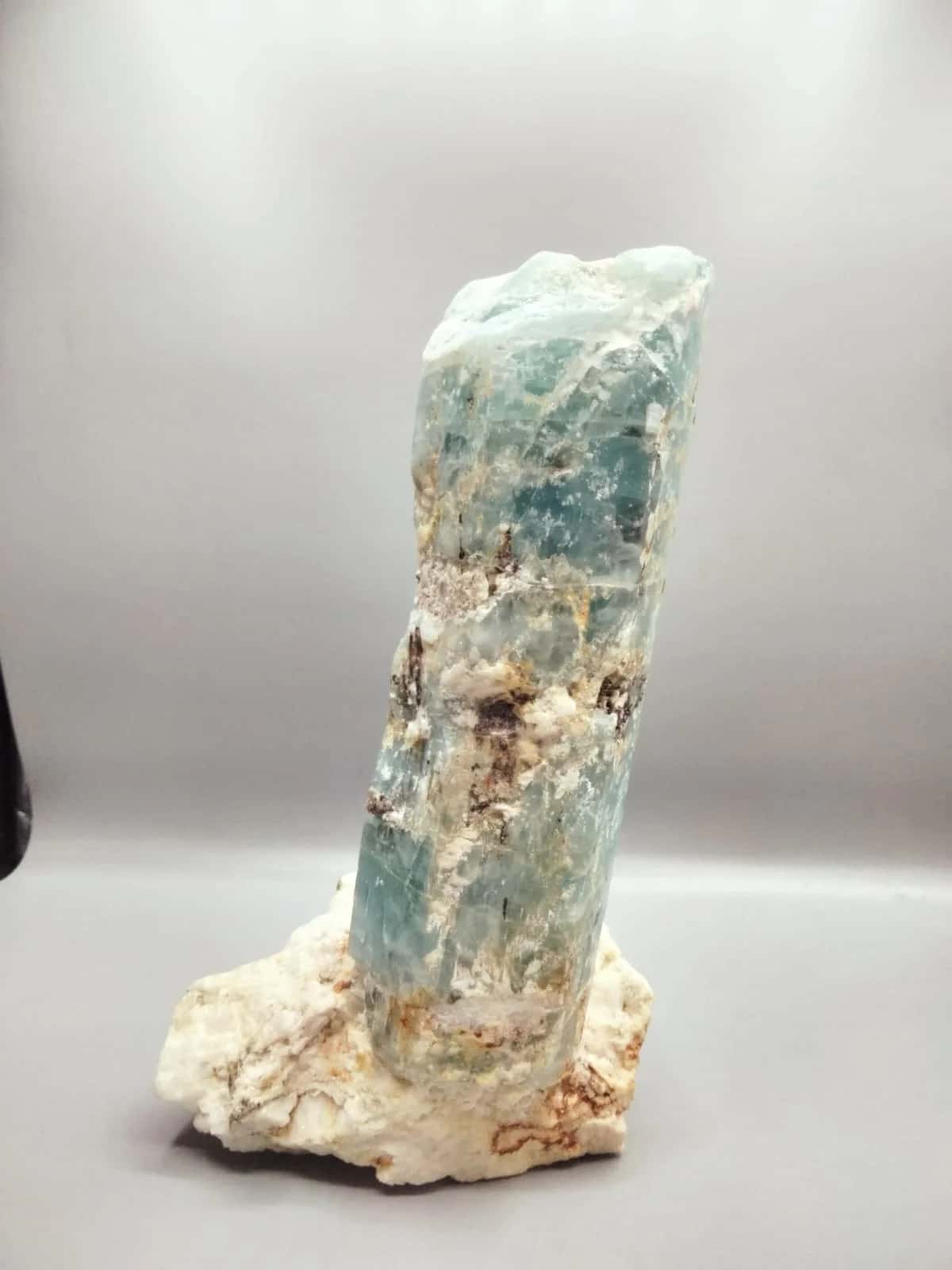
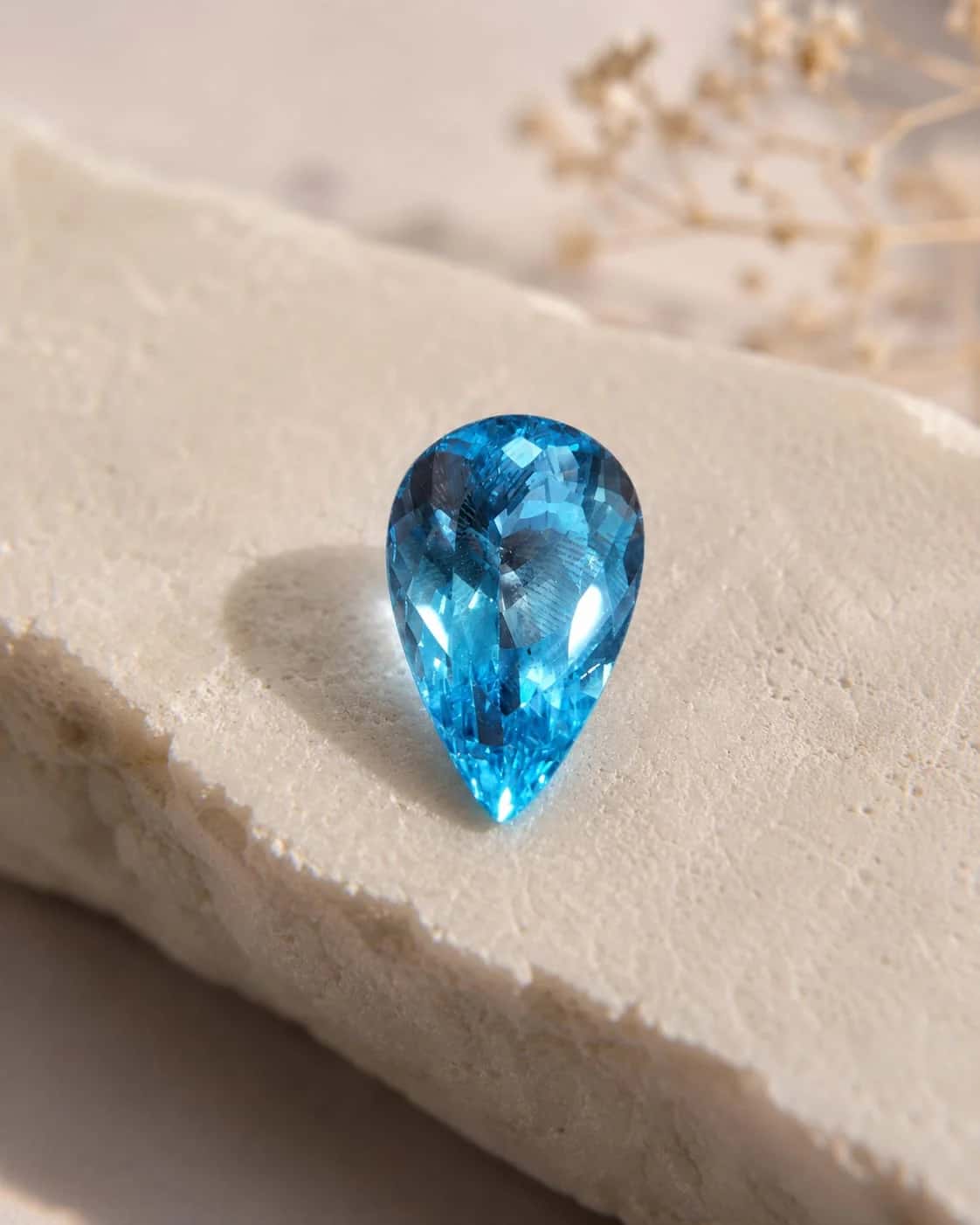
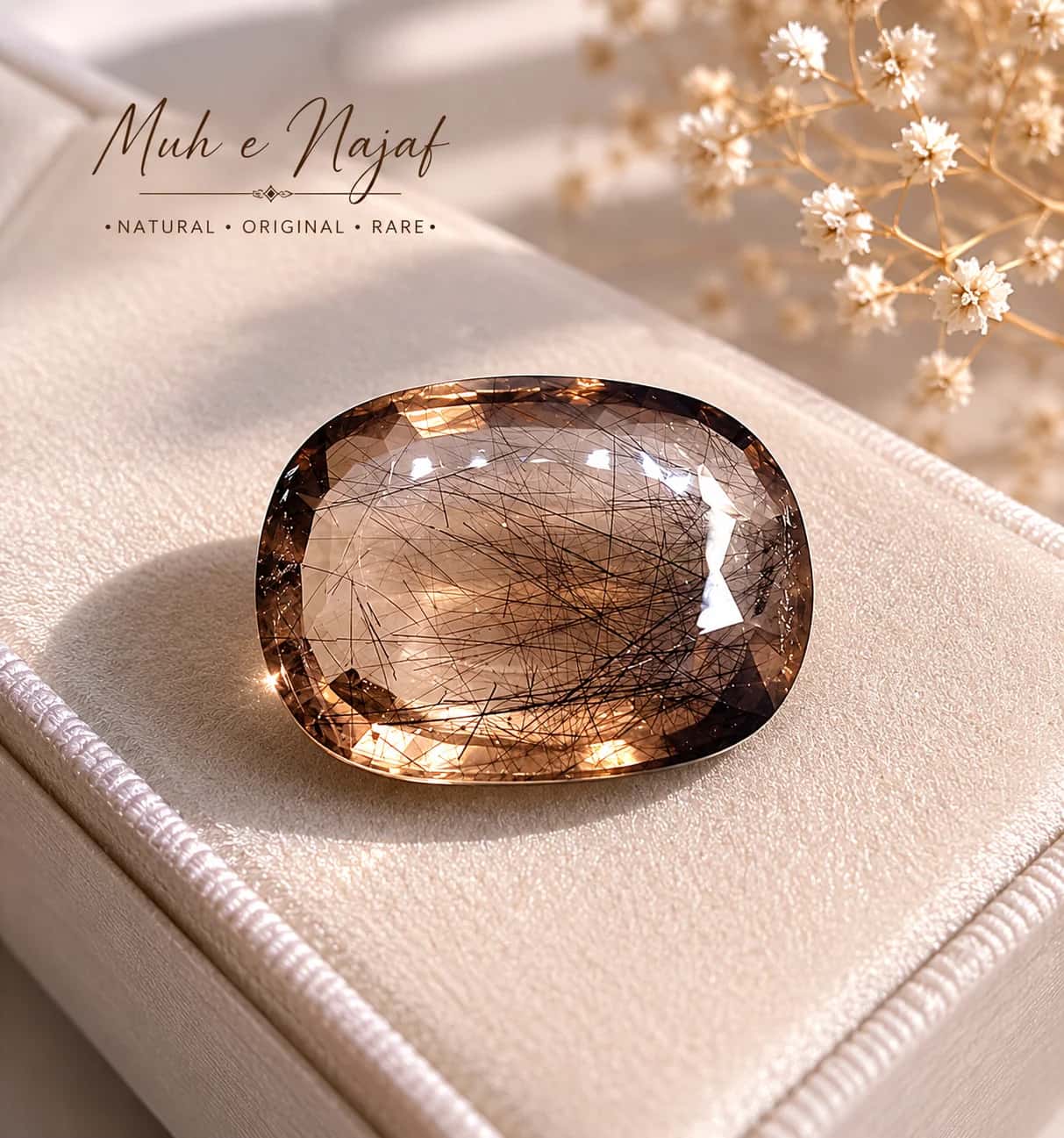
This category spans three distinct product types: loose gemstones (raw and faceted), finished jewelry pieces such as rings and matched sets, and jewelry-making tools and findings used by jewelers and workshops to produce or repair pieces.
What's the difference between sourcing loose gemstones versus finished jewelry here?
Loose gemstones are raw material evaluated on grading factors like color, clarity, and cut — buyers typically use them for their own jewelry manufacturing or design work. Finished jewelry is ready-to-sell product, evaluated on metal quality, finish, and craftsmanship, aimed at retailers stocking inventory directly.
Are the metals used in finished jewelry pieces solid or plated?
This varies by listing — check each product's specification for base metal composition and plating details (such as gold or silver plating) before ordering, since finish quality affects both durability and resale positioning.
What should I check before ordering jewelry-making tools in bulk?
Look at the material grade (surgical-grade steel tools hold up better under repeated workshop use), jaw or grip precision for tools like pliers and openers, and handle ergonomics, since tool durability matters more than unit price for daily-use workshop equipment.
Can I source both raw gemstones and finished jewelry from the same supplier?
Not necessarily — sellers in this category tend to specialize in either raw gemstone material or finished jewelry pieces rather than both, so check each listing's seller profile to confirm what that specific supplier focuses on.