



baramdat logo

Wholesale Honey and Natural Sweetener Suppliers

Source bulk honey and natural sweeteners from verified exporters on Baramdat. Compare raw, wild, and organic honey suppliers for wholesale and bulk orders.

Only 1 listing here. Want more options for Wholesale Honey and Natural Sweetener Suppliers?

Tell us what you need. We find more Pakistani suppliers, compare their prices and minimum orders, and send you a shortlist.

By sending, you agree that Baramdat may contact you about this request and share the requirement (never your contact details) with matching suppliers. If you do not finish, we may email you once to help complete it.

No obligation. You pay suppliers directly. We reply within one business day.

  • 1-1 of 1 items
  • 1

For buyers sourcing honey and natural sweeteners at volume, quality control starts before the product ever reaches a warehouse. Genuine raw and wild honey is defined by measurable parameters — moisture content typically capped near 20%, low sucrose levels as a marker of pure nectar rather than sugar-fed adulteration, and controlled HMF (hydroxymethylfurfural) and diastase activity that indicate freshness and proper handling from hive to packaging. Buyers evaluating suppliers should ask for lab documentation on these markers, not just a tasting sample, since economic adulteration with cane, corn, or rice syrups remains one of the most common risks in the global honey trade.


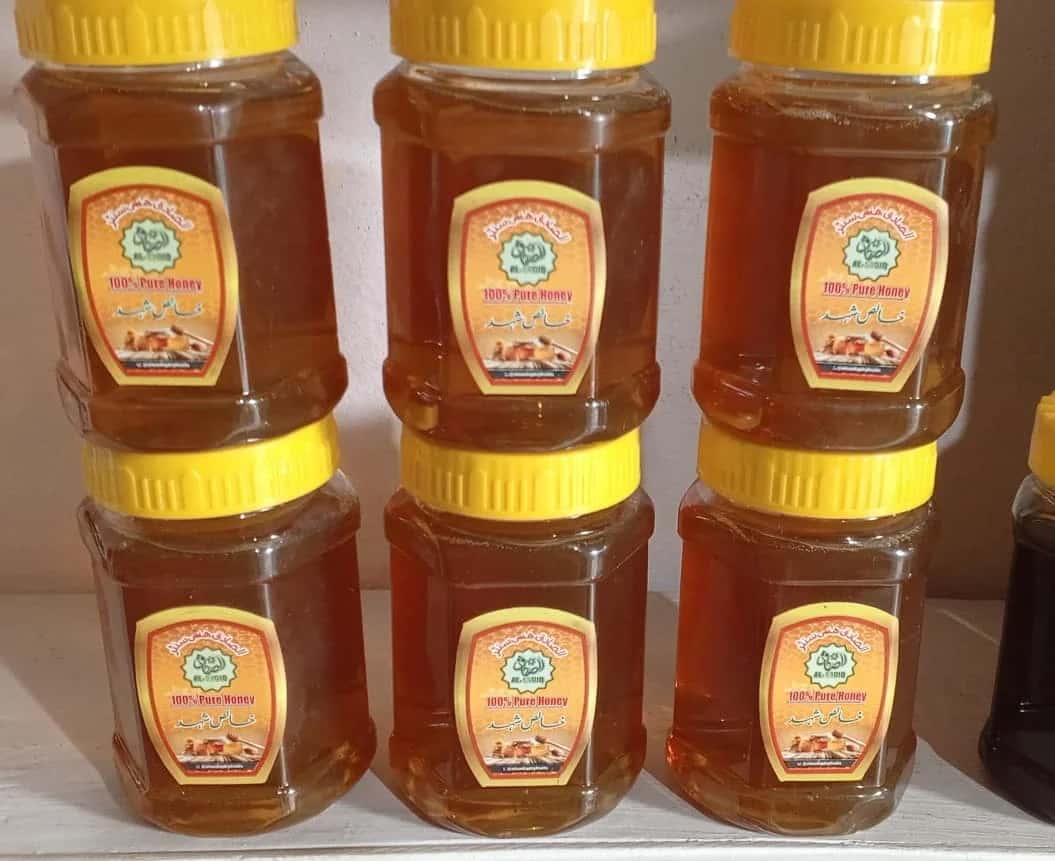
Wild and small-batch honey — like the pure wild bee honey currently listed in this category — tends to carry more natural variation in color, crystallization behavior, and floral character than industrially blended honey, which some buyers value for private retail lines and others need standardized for food manufacturing consistency. Packaging matters too: honey for food service and manufacturing typically moves in food-grade drums or buckets to protect against contamination and preserve shelf stability, while retail-bound honey is packed in smaller jars or bottles.


Natural sweeteners more broadly — stevia, monk fruit, agave, and similar sugar alternatives — are increasingly paired with honey in sourcing decisions as buyers respond to demand for reduced-sugar and clean-label formulations. This category is built to grow alongside that demand as more verified sweetener suppliers join the platform, giving international buyers a single place to compare honey and sweetener sourcing options side by side.

Frequently Asked Questions

How is honey purity verified before a bulk order?
Reputable suppliers can provide lab results for moisture content, sucrose levels, and HMF/diastase activity — the standard markers used to confirm honey hasn't been diluted or degraded during processing.
What's the difference between raw, wild, and processed honey?
Raw and wild honey are minimally filtered and retain natural pollen and enzymes, with more batch-to-batch variation in color and crystallization. Processed honey is typically pasteurized and blended for consistency, which some buyers prefer for large-scale manufacturing.
How is bulk honey packaged for export?
Bulk orders usually move in food-grade drums or buckets sized for stability during shipping, while smaller retail-format orders are packed in jars or bottles depending on the end market.
Does honey crystallize during storage or shipping, and is that a quality issue?
Crystallization is a natural process driven by glucose content and temperature, not a sign of spoilage — it can usually be reversed with gentle, low-heat warming without affecting quality.
What natural sweetener alternatives pair with honey sourcing?
Buyers increasingly source stevia, monk fruit, and agave alongside honey to cover both traditional and reduced-sugar product lines; this category is expanding to include verified suppliers for those alongside honey.