



baramdat logo

HVAC Duct & Pipe Insulation for Bulk Buyers

Source HVAC insulation in bulk — duct wrap, pipe and line insulation, foil tape, and insulation board for contractors and distributors. Verified suppliers on Baramdat.

Can't find the right supplier? Tell us what you need and we will shortlist suppliers for you.

  • 1-1 of 1 items
  • 1

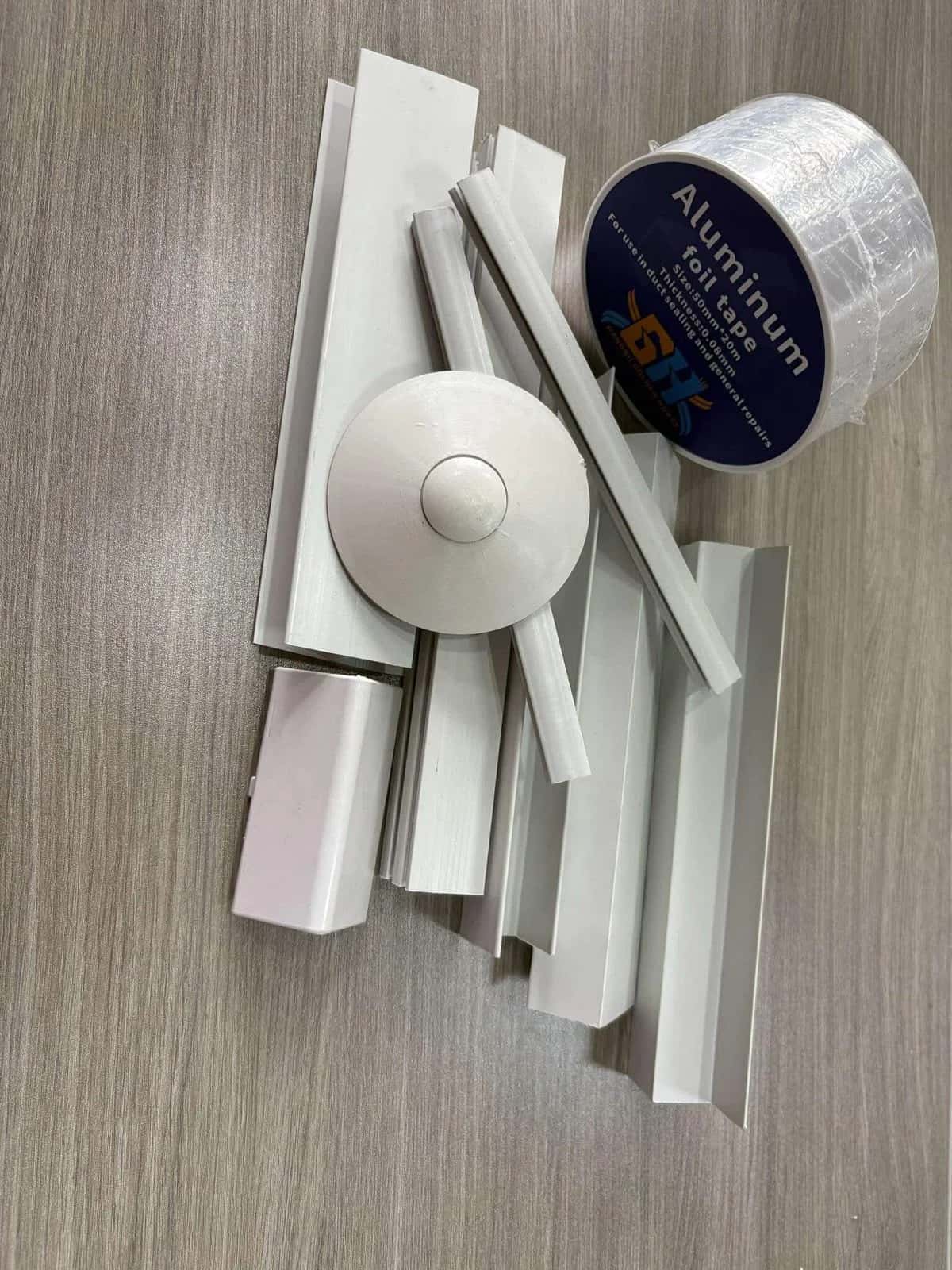
HVAC insulation covers the materials used to wrap, seal, and protect ductwork, refrigerant lines, and piping in residential and commercial HVAC systems — reducing thermal loss, preventing condensation buildup, and improving overall system efficiency. This category covers the accessories that go around the ductwork and lines themselves: duct wrap and insulation board for sheet-metal and rigid ductwork, elastomeric foam sleeves for refrigerant and suction lines, foil-faced and reflective wraps for exterior or exposed duct runs, and foil tape used to seal seams and joints alongside the insulation.


Material choice depends on where it's installed. Fiberglass duct wrap with a foil facing is standard for interior ductwork runs in attics, crawlspaces, and mechanical rooms, typically rated around R-6 to R-8 depending on thickness. Closed-cell foam pipe and line insulation is used on refrigerant, suction, and condensate lines, where flexibility and moisture resistance matter more than R-value. Exterior or exposed ductwork generally needs a heavier-duty wrap with weather-resistant facing to hold up against UV and moisture exposure that indoor insulation isn't built for.


Buyers sourcing in this category are typically HVAC parts distributors, contractors buying in volume, and importers stocking insulation lines alongside broader ductwork and fittings. Look for consistent roll widths and thicknesses, foil-facing quality, and compatibility with standard duct and pipe diameters when comparing suppliers.

Frequently Asked Questions

What's the difference between duct wrap and duct board insulation?
Duct wrap is a flexible fiberglass blanket, usually foil-faced, wrapped around existing metal ductwork. Duct board is a rigid, pre-insulated panel used to build the duct itself, rather than insulate one that's already installed.
What R-value is standard for HVAC duct insulation?
Most duct wrap used indoors falls in the R-6 to R-8 range, though thicker or higher-density options go higher. The right R-value depends on climate zone and whether the duct run is in conditioned or unconditioned space.
Is the same insulation used for ductwork and refrigerant lines?
No — ductwork typically uses fiberglass wrap or board, while refrigerant and suction lines use closed-cell foam sleeves that flex around tubing and resist moisture buildup better than fiberglass.
What insulation holds up on exterior or exposed ductwork?
Exterior runs need a heavier wrap with a weather- and UV-resistant facing, since standard indoor duct wrap isn't built to handle direct sun or moisture exposure over time.
Do I need foil tape in addition to insulation wrap?
Yes — foil tape is used to seal seams, joints, and cut edges on the insulation itself, which keeps the thermal barrier intact and prevents gaps where air or moisture can get in.