


baramdat logo

Mineral Salt Licks

Source mineral & salt lick blocks for cattle, goats, sheep & horses from verified Pakistani manufacturers. Bulk export, private label & Himalayan salt licks.

  • 1-1 of 1 items
  • 1

Mineral Salt Licks Manufacturers & Exporters


Mineral salt licks are one of the most consistently ordered livestock supplement products out of Pakistan, and for a practical reason: the country sits on top of the Khewra Salt Range, one of the largest natural rock salt deposits in the world, which puts raw material cost and consistency in a different position than blenders working from imported salt. For buyers importing in bulk — feed distributors, agri-input wholesalers, and farm supply retailers across the UAE, Europe, and the US — that translates into competitive pricing on both plain compressed salt blocks and mineral-fortified licks (trace elements like calcium, magnesium, zinc, and cobalt added for cattle, goat, sheep, and horse nutrition). 


This category brings together verified Pakistani manufacturers offering mineral salt licks in block, brick, and granular formats, with private-label and bulk export options for international buyers.


Sourcing Mineral Salt Licks from Pakistan: What Buyers Should Know

Pakistan's salt lick industry is built around the Khewra Salt Mine in Punjab's Jhelum District — the world's second-largest salt mine, in continuous operation since 1872 and owned by the state-run Pakistan Mineral Development Corporation. This is independently verifiable and is the reason "Himalayan salt" products in the global market so often trace back to Pakistani supply chains rather than Nepal or India, despite the branding. Buyers sourcing here get access to rock salt at the mine-gate rather than through resellers, which is one of the main cost advantages Pakistani suppliers offer over US or European blenders working with imported raw salt.


Beyond raw cost, the other thing to verify before ordering is whether a supplier's mineral composition and certification claims are independently checked or simply company-stated. Certifications like ISO, HACCP, and Halal are meaningful when verifiable through a certification body; treat them as a starting point for due diligence, not a substitute for a certificate of analysis on the specific batch or lick formulation you're ordering.


Formats & Specifications to Compare

Mineral salt licks aren't a single product — the format you need depends on the livestock and the delivery method on the buyer's end:


  • Compressed blocks/bricks — the standard format for cattle and horses, typically 2–25 kg, sold plain or mineral-fortified

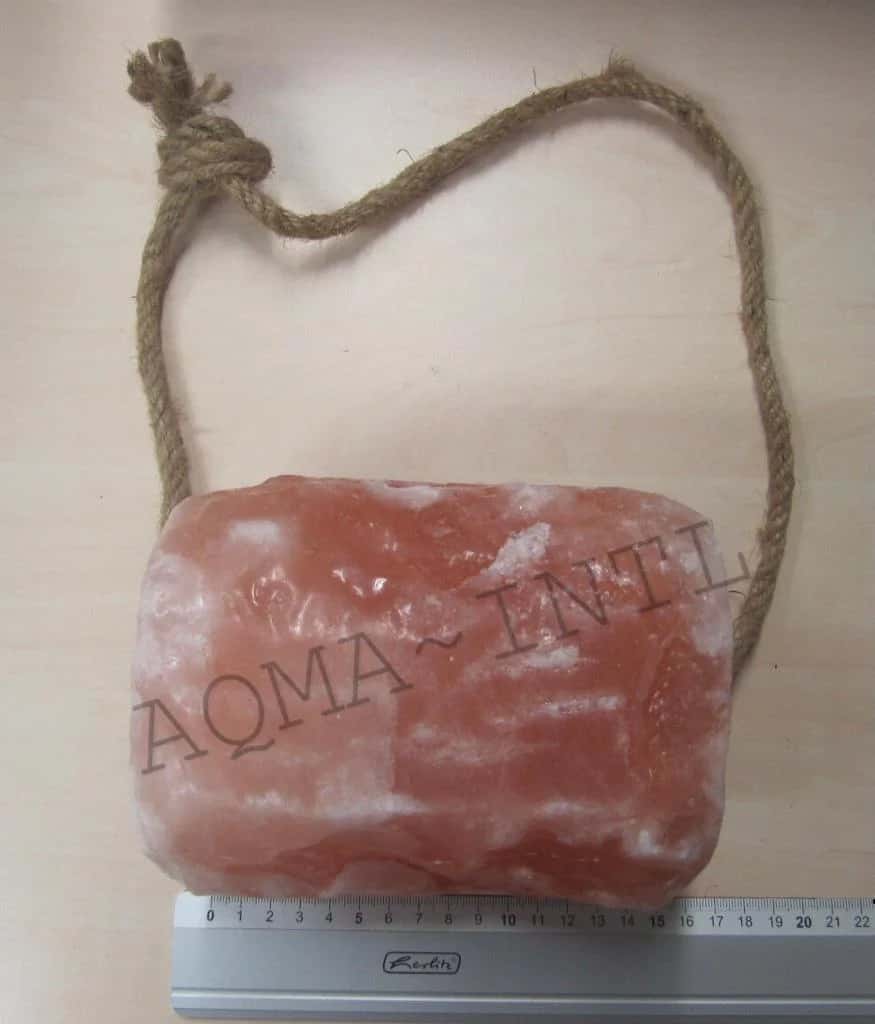
  • Licks with hanging rope or hole — designed for stall or fence-mounting, common in horse and small-ruminant setups

  • Granular/loose mineral mixes — used where producers prefer free-choice feeding stations over fixed blocks

  • Mineral-fortified vs. plain rock salt — plain blocks cover sodium chloride needs only; fortified blocks add calcium, phosphorus, magnesium, zinc, iodine, and cobalt for broader nutritional coverage

When comparing suppliers, ask for the mineral breakdown (percentage by element) rather than relying on marketing copy like "84 minerals" — that figure describes trace mineral diversity in raw Himalayan rock salt generally, not a specific product's tested composition.


Bulk Ordering & Private Label

Most Pakistani manufacturers in this category work on container-load (20ft/40ft) export volumes and offer private labeling — custom packaging, branding, and block shape/size — for distributors who want to sell under their own name. MOQs, lead times, and packaging (bulk sacks vs. retail-ready shrink-wrapped blocks) vary by supplier, so confirm these directly with each verified seller before quoting to your own customers.

Frequently Asked Questions

Why do buyers source mineral salt licks from Pakistan specifically?
Pakistan's Khewra Salt Range is one of the largest natural rock salt deposits in the world, giving Pakistani manufacturers direct access to raw material rather than importing it. This generally supports more competitive bulk pricing than suppliers who blend from imported salt.
Are these suppliers certified for export?
Certifications vary by seller — check each verified profile for specifics (ISO, HACCP, Halal, etc.) and request supporting documentation for your shipment rather than relying on general claims.
What is a mineral salt lick used for?
It's a compressed block or loose mineral mix that livestock lick to get sodium and trace minerals — like calcium, magnesium, and zinc — that aren't fully available from pasture or standard feed alone. It's a standard supplement for cattle, goats, sheep, and horses.
Is Himalayan salt from Pakistan the same as Himalayan salt from other regions?
Most of what's marketed globally as "Himalayan pink salt" is mined from Pakistan's Salt Range (primarily Khewra), not from Nepal or India, regardless of how it's branded downstream.
What's the difference between plain and mineral-fortified salt licks?
Plain blocks are compressed rock salt (sodium chloride only). Mineral-fortified licks add other elements — calcium, phosphorus, magnesium, zinc, cobalt, iodine — for broader nutritional coverage. Ask suppliers for the specific mineral percentage breakdown rather than a general "trace mineral" claim.
Can I order mineral salt licks under my own brand?
Yes — most manufacturers in this category offer private-label packaging and custom block sizing for bulk/container orders. Confirm MOQ and lead time directly with the seller.