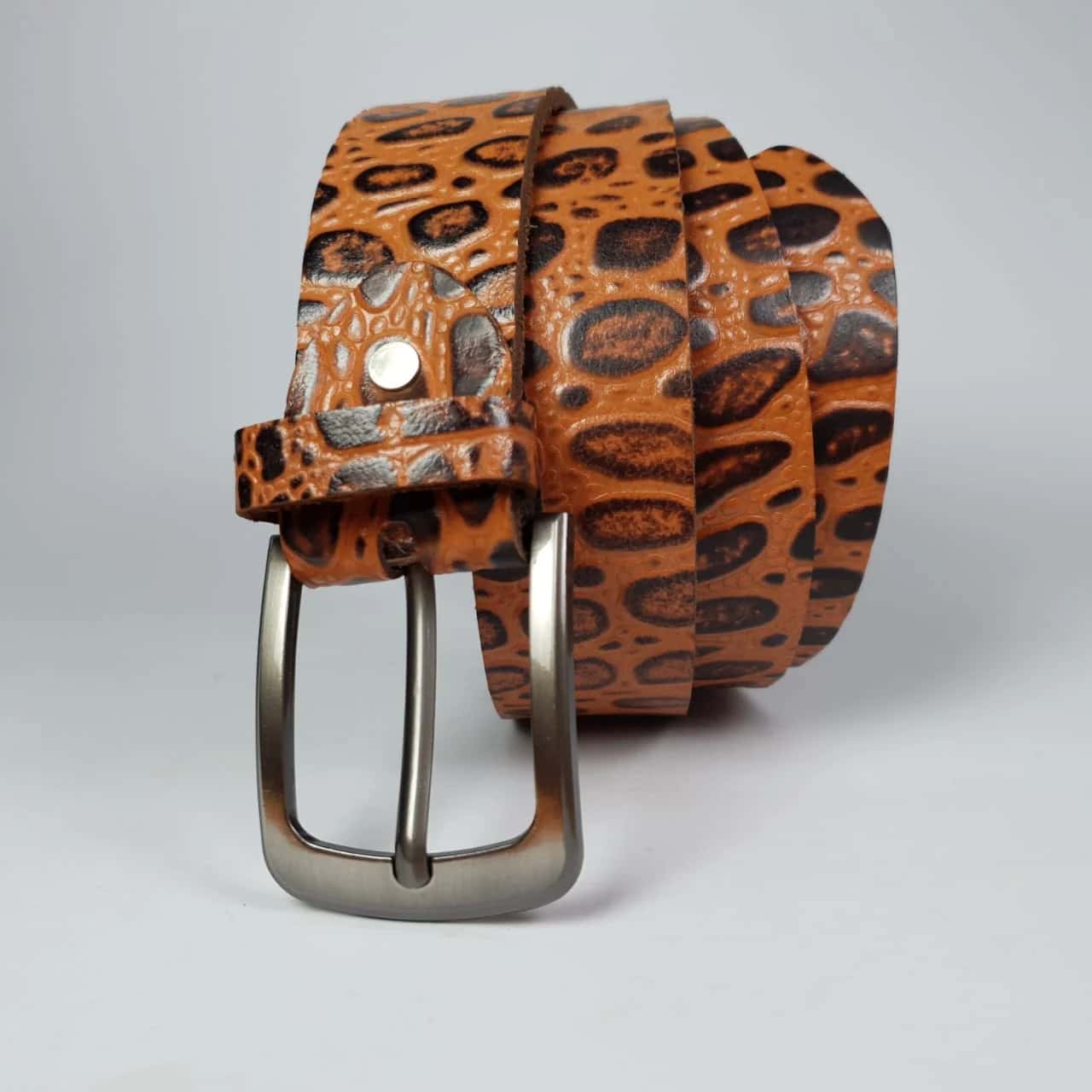
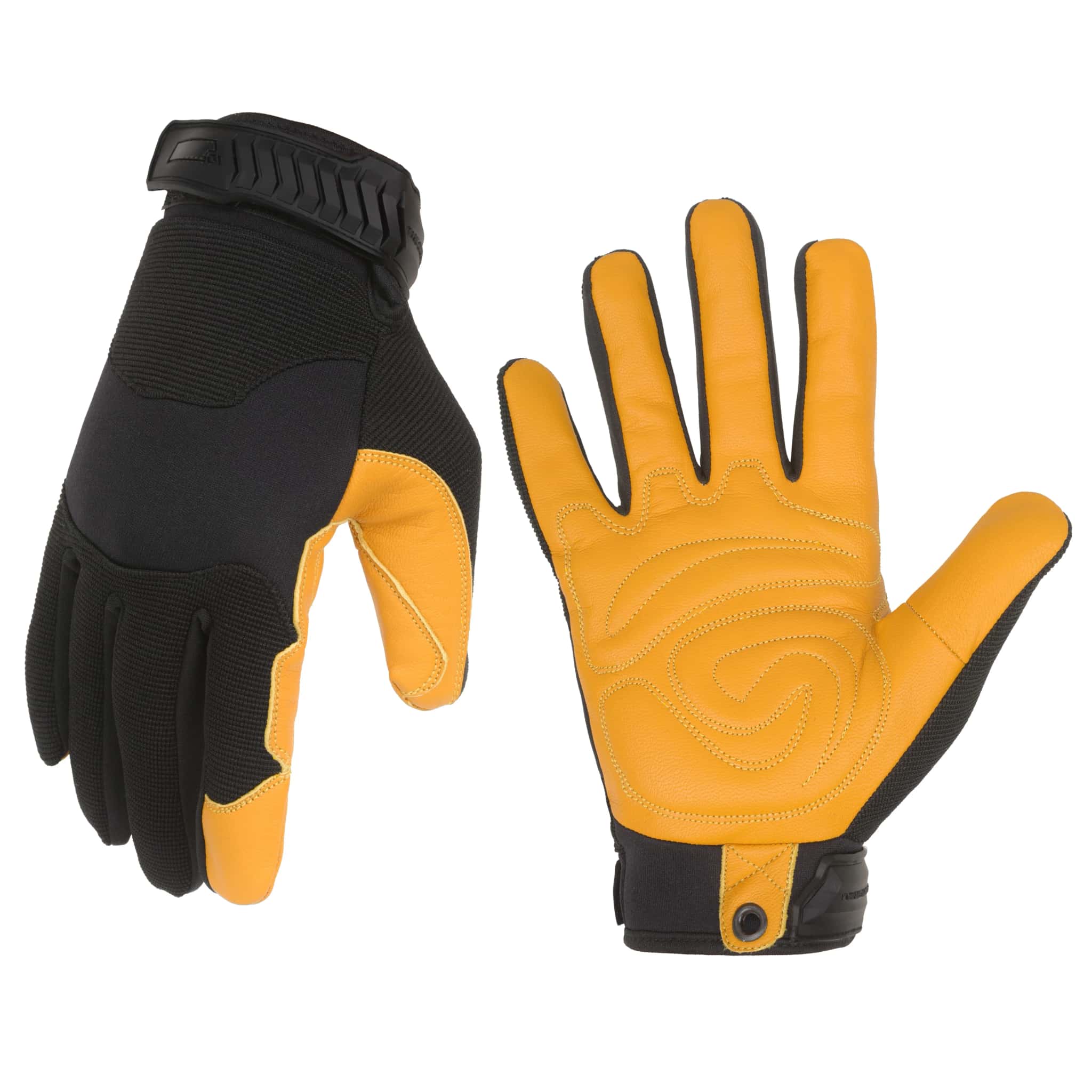
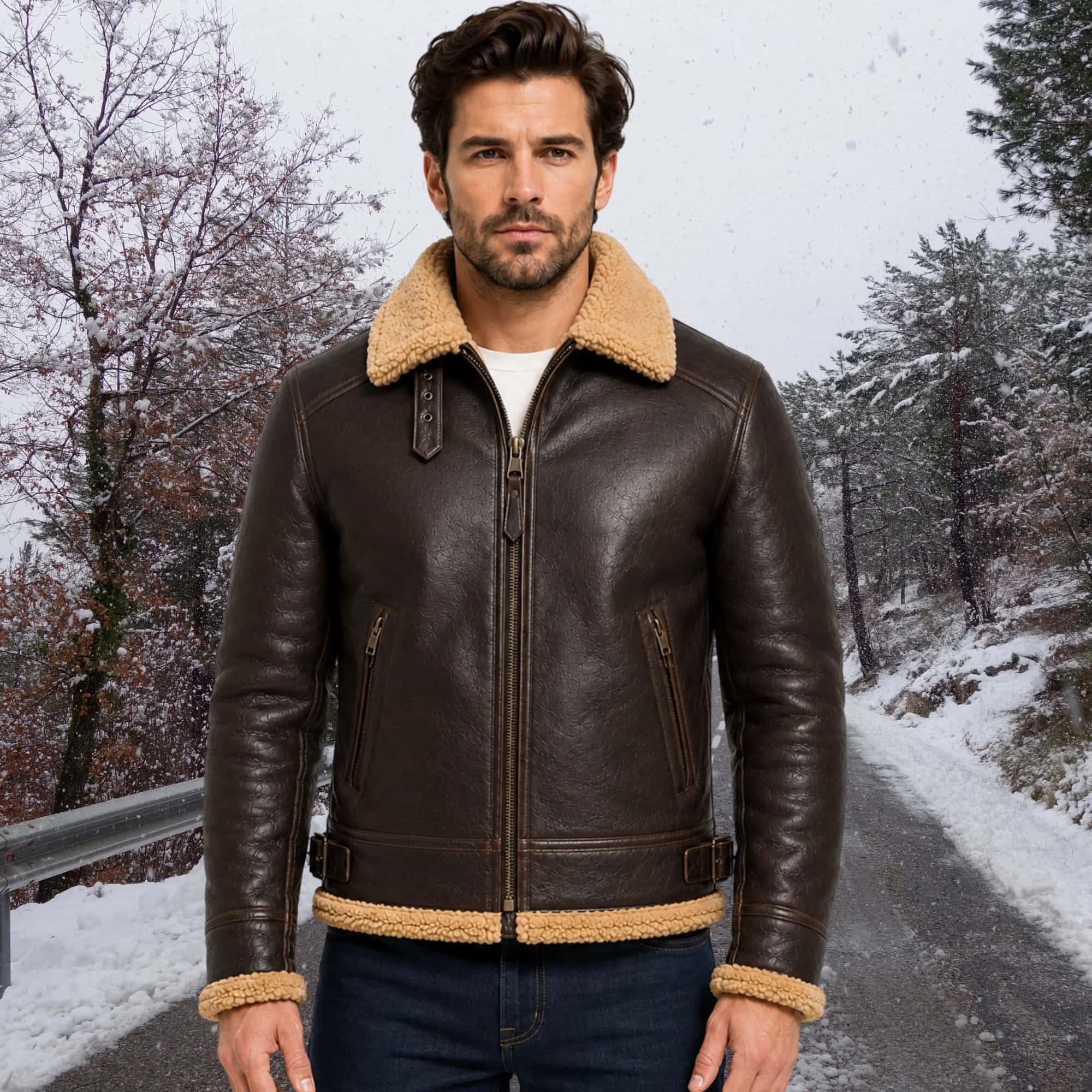
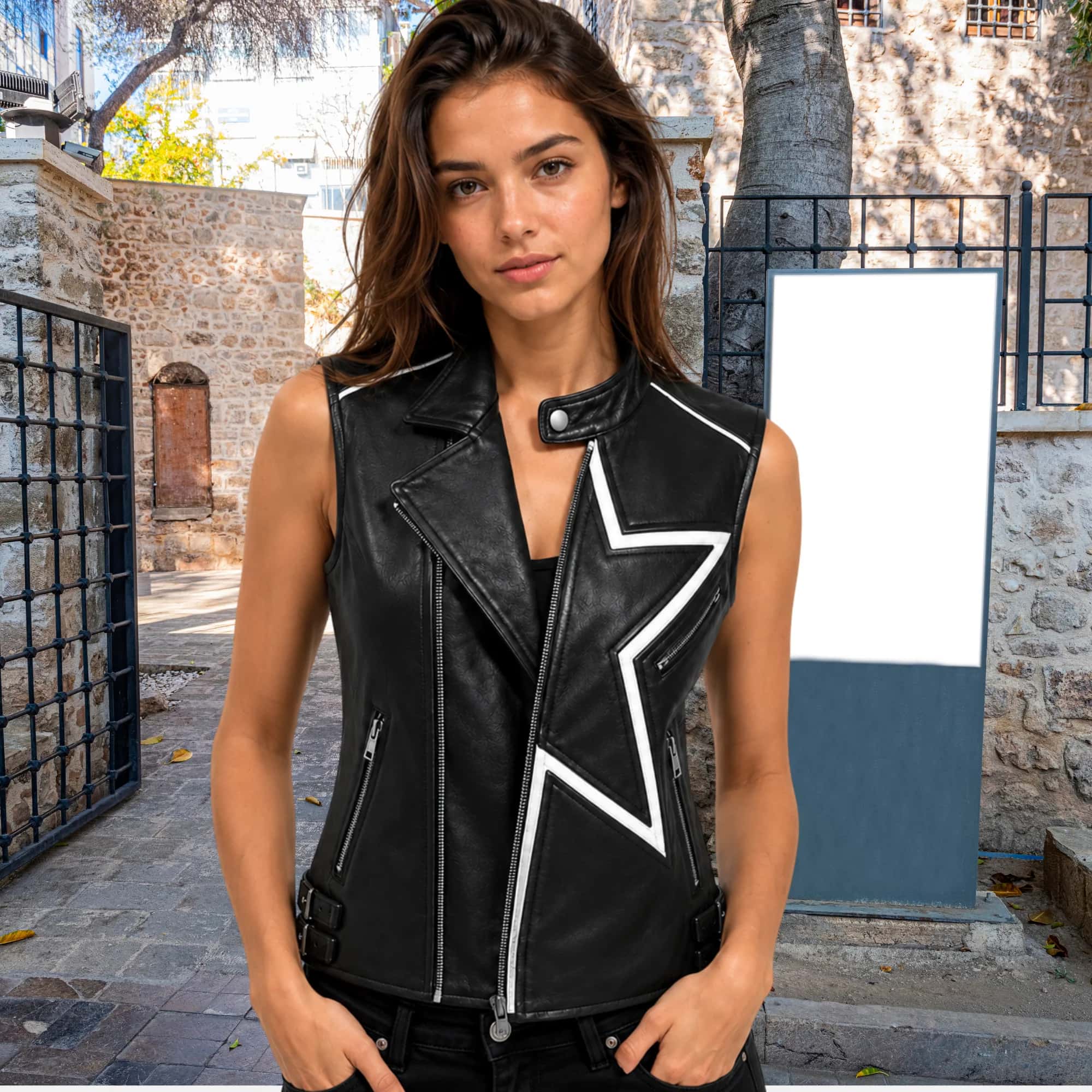
Top 10 verified leather manufacturers in Pakistan for 2026 - tanneries to finished-goods exporters, with certifications and export history for B2B buyers.
For anyone trying to understand Pakistan’s leather sector, the biggest mistake is to treat it like a simple list of factories. It is not. The market is layered, category-driven, and heavily shaped by tanning capacity, export orientation, and finished-product expertise. That is exactly why many buyers now begin their search through platforms like Baramdat, where leather companies can be discovered and compared before direct contact begins. The point is not just to find names. The point is to understand which companies actually fit your business model.
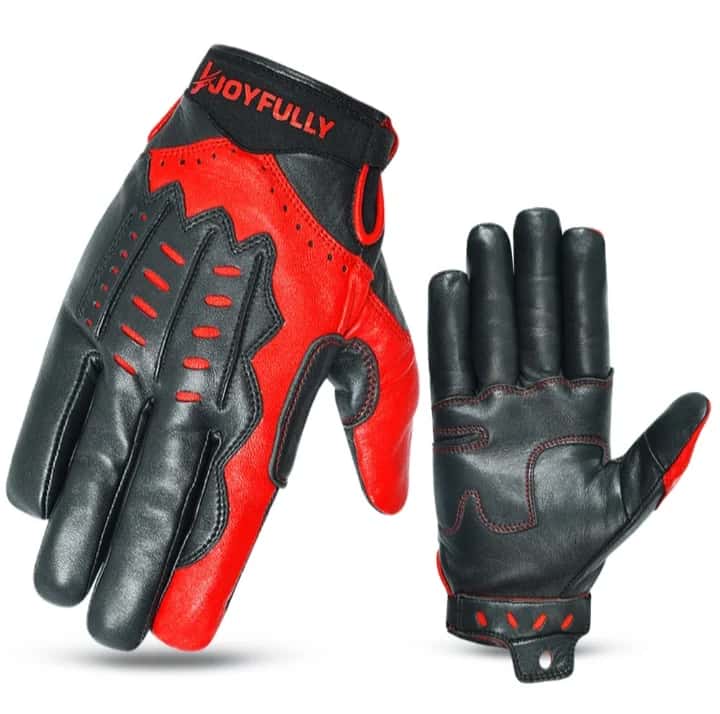
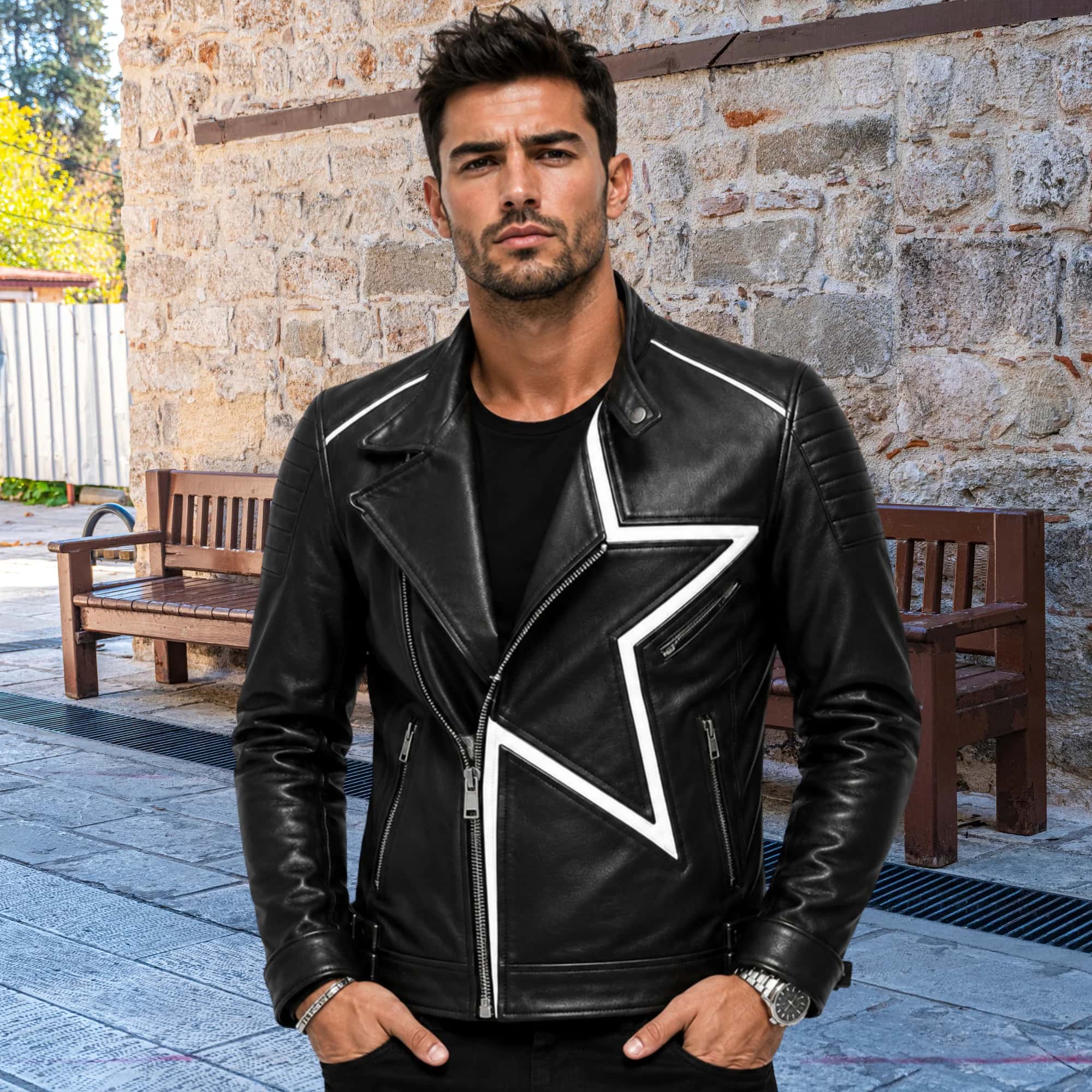
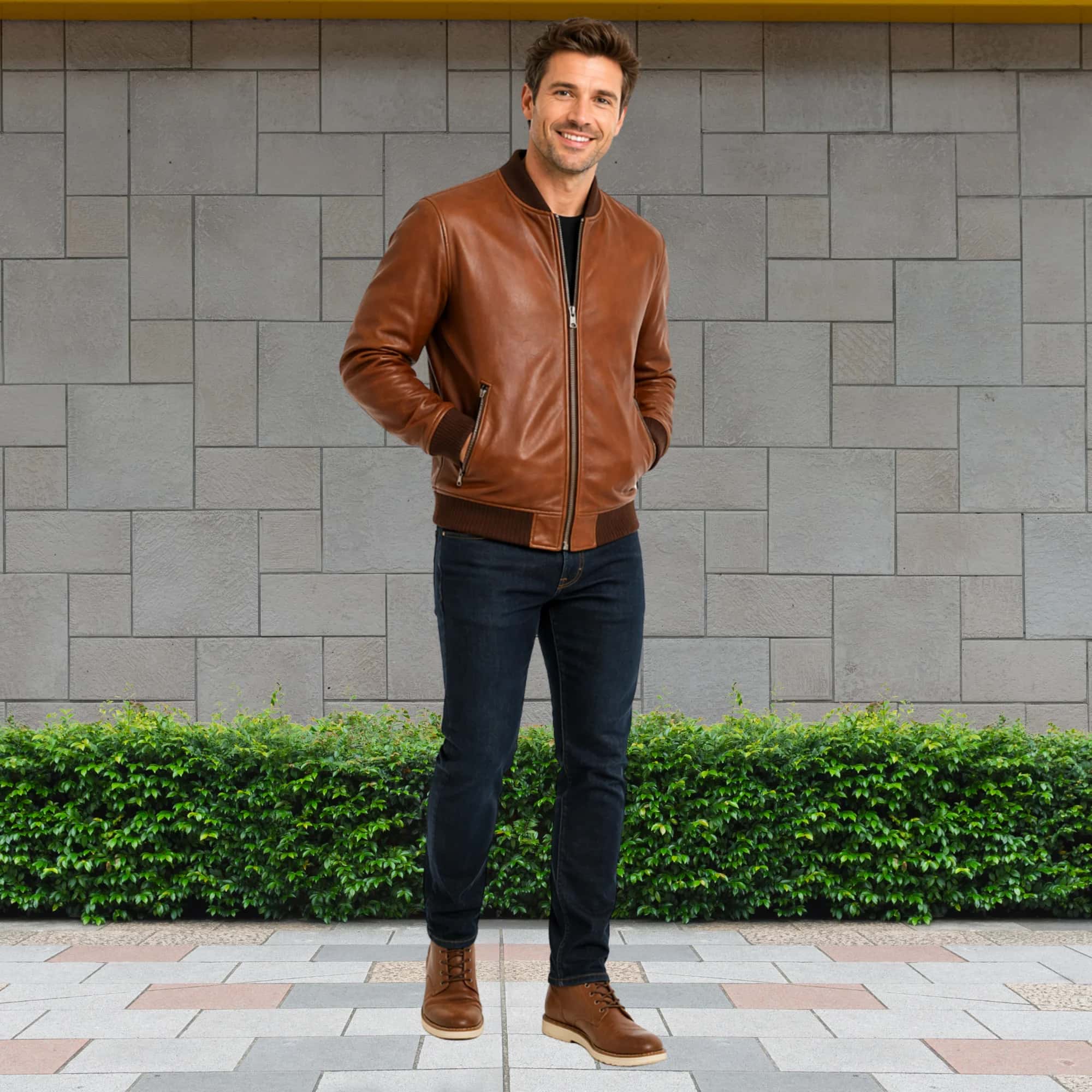
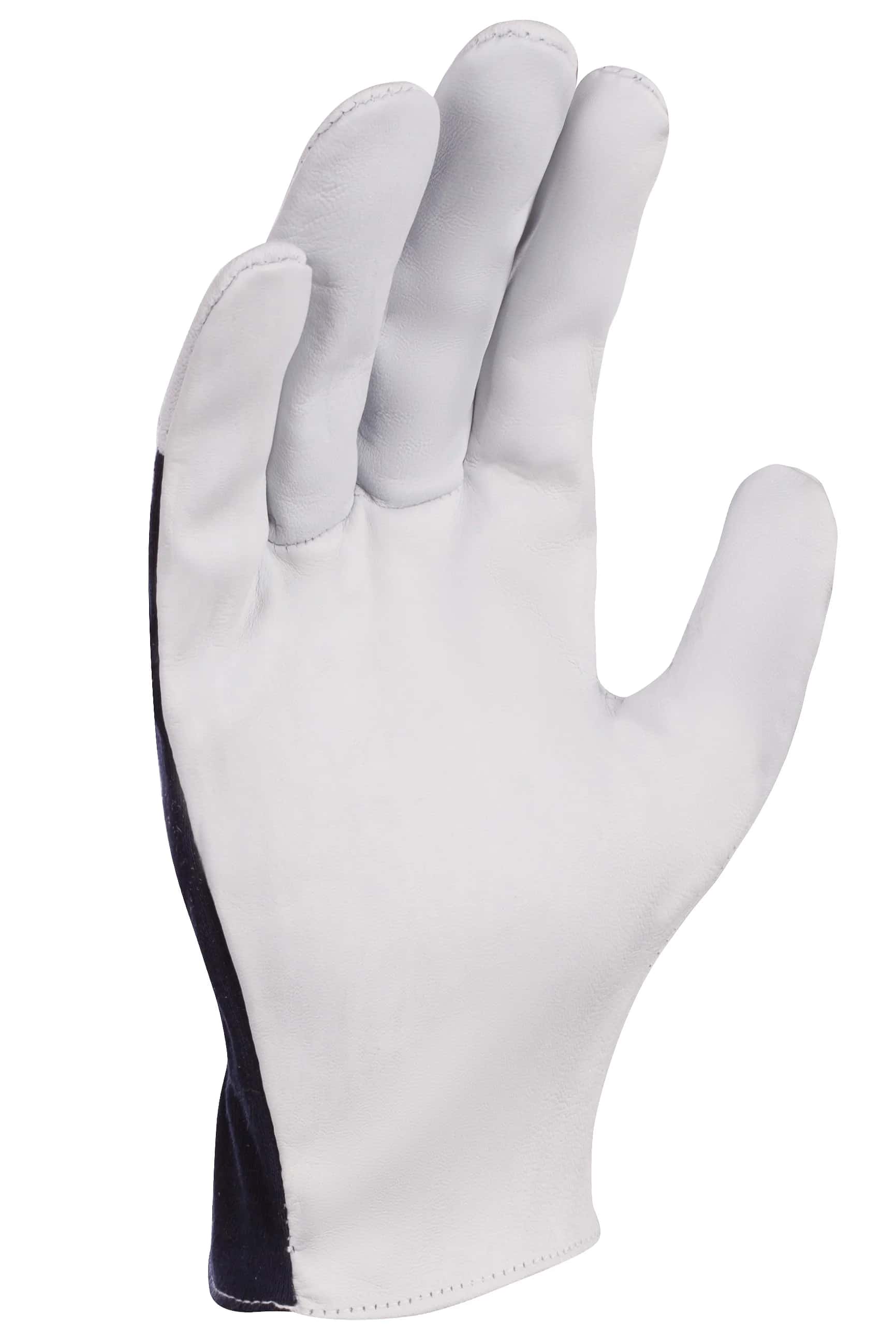
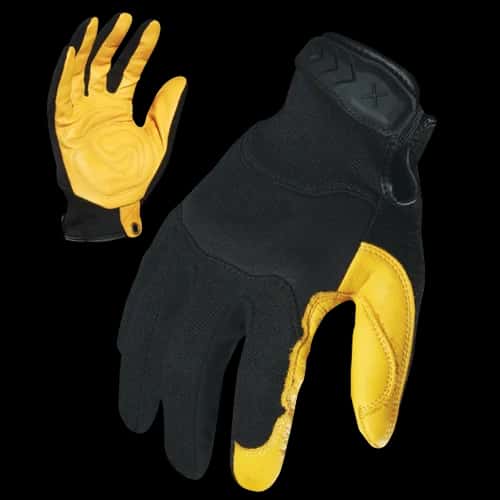
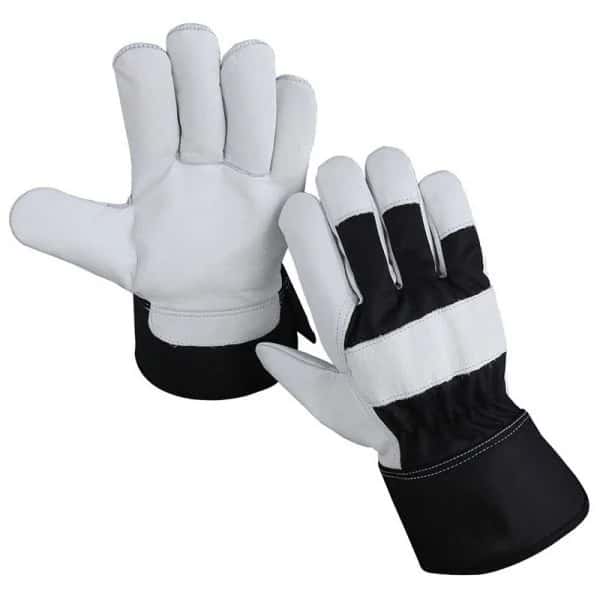
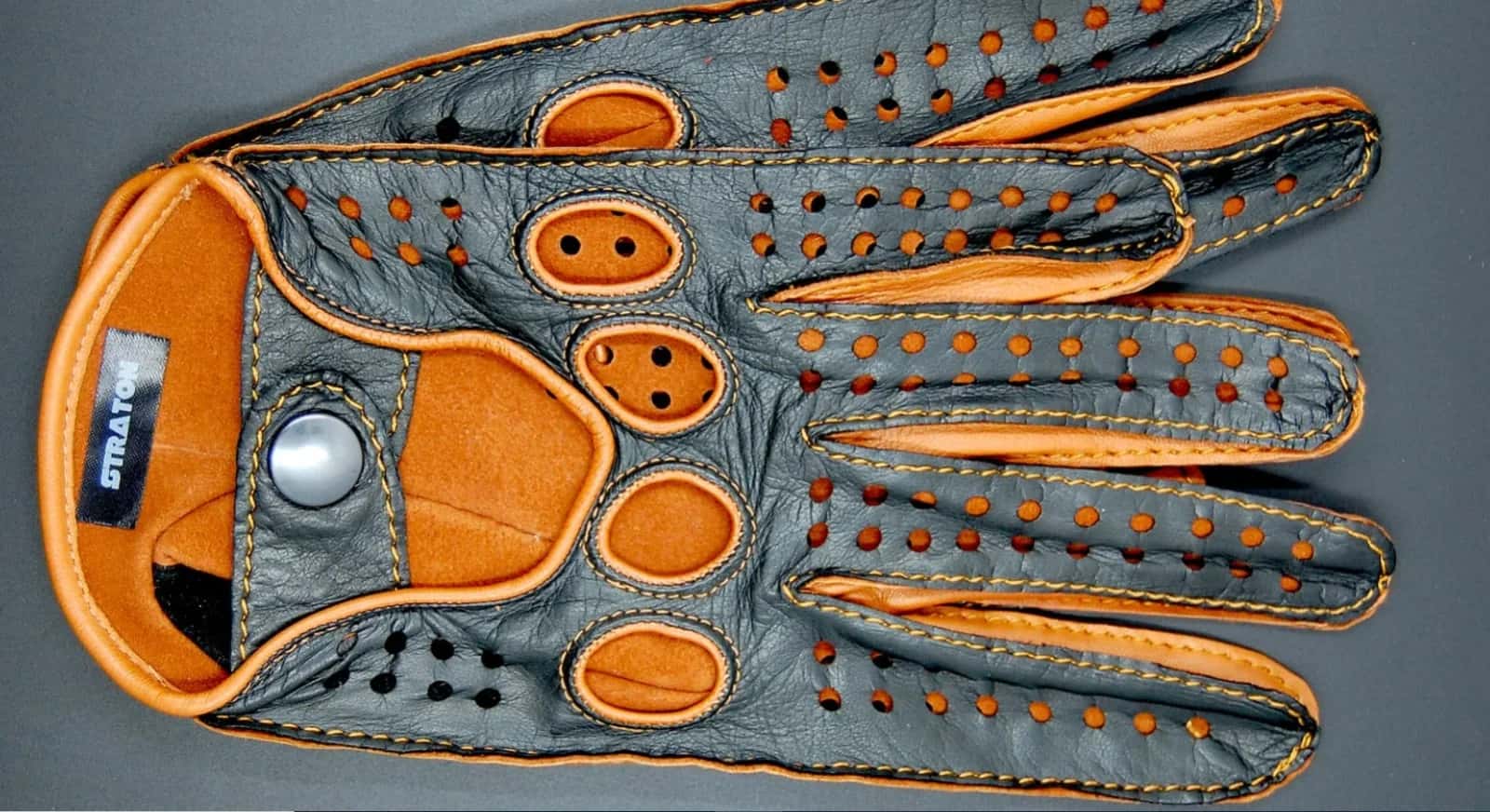
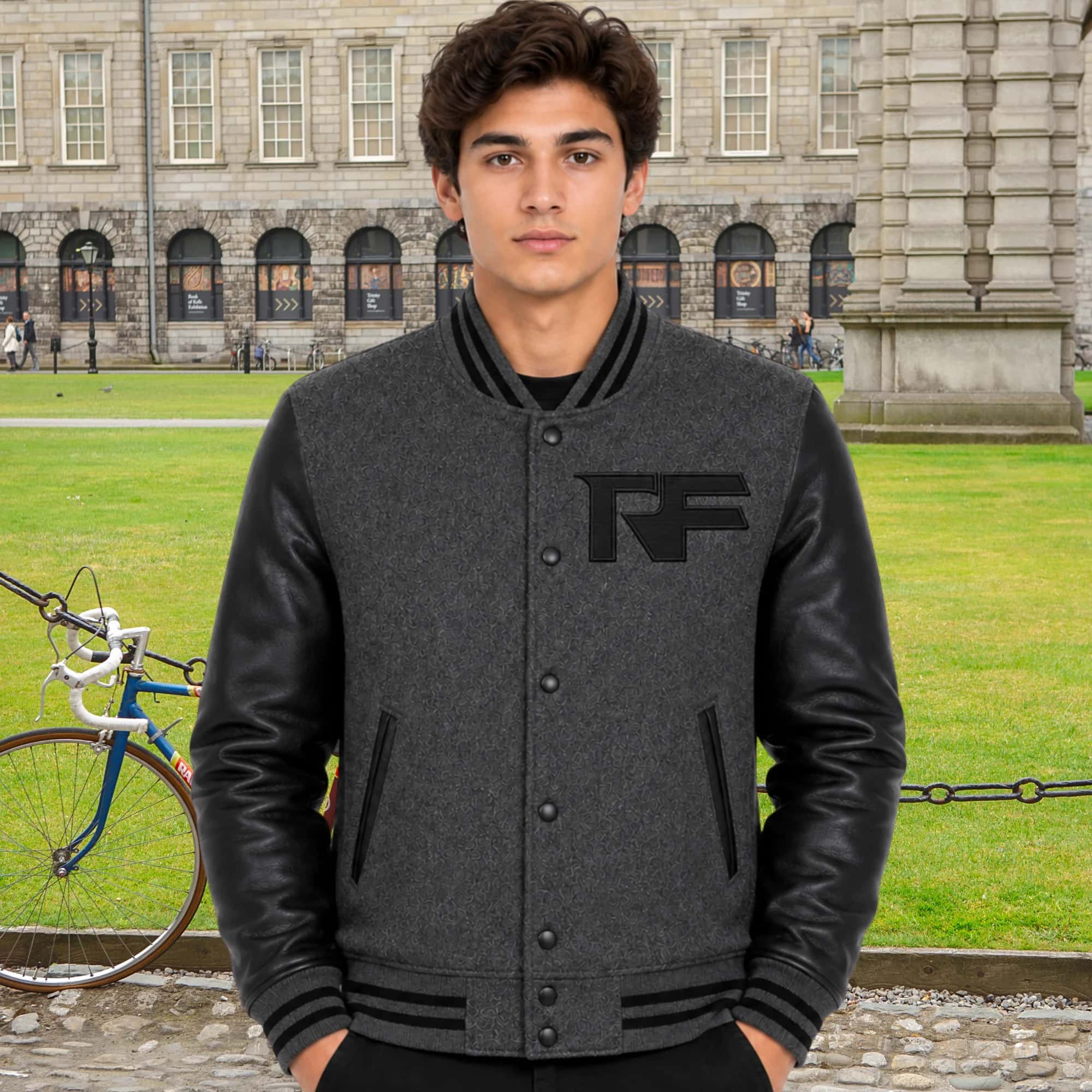
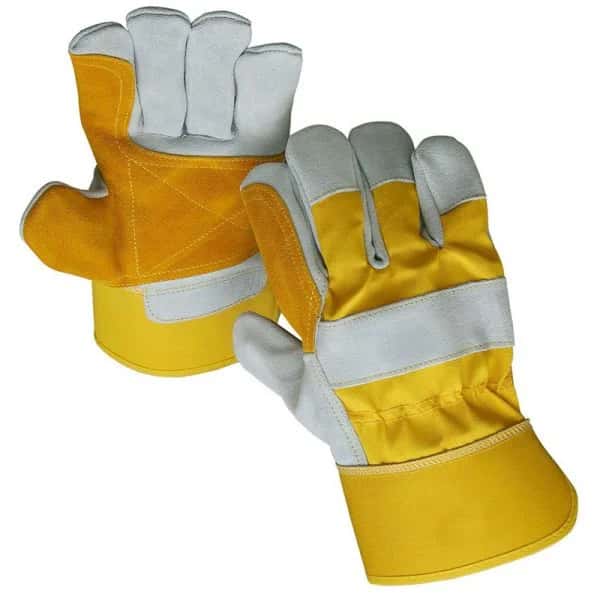
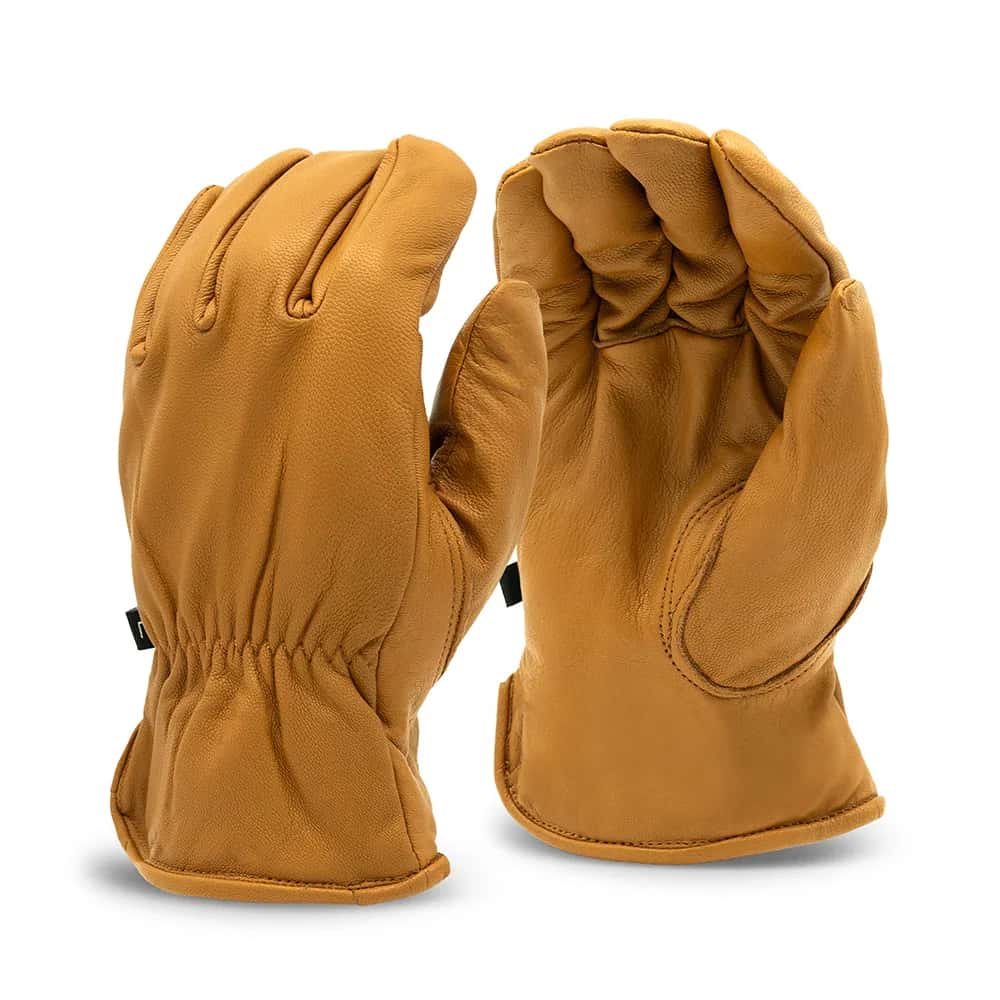
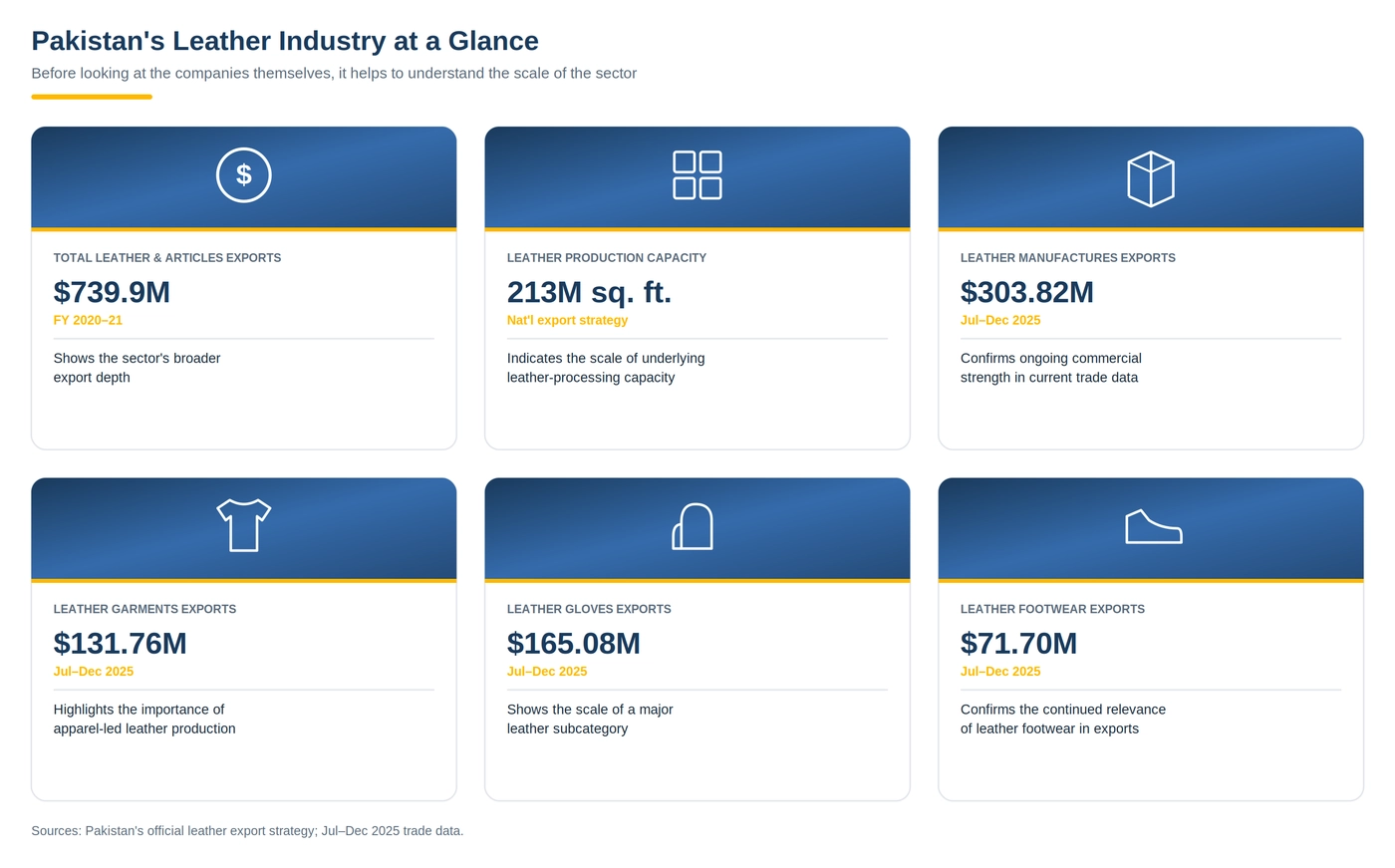
Pakistan’s leather sector remains commercially important because it combines raw-material depth with finished-product manufacturing. Official trade data from Pakistan’s Ministry of Commerce shows that from July to December 2025, exports of leather manufactures reached $303.82 million, while leather garments reached $131.76 million, leather gloves$165.08 million, and leather footwear$71.70 million. That matters because it shows the industry is not a niche side segment. It is still an active export sector with multiple product lines and global demand.
At the same time, not all leather companies in Pakistan play the same role. Some operate closer to tanning and finished leather. Some focus on consumer-facing products such as bags, jackets, and accessories. Others are better understood as industrial or export-led businesses that serve international buyers quietly without much retail visibility. That distinction is important because the right leather company for a buyer depends less on popularity and more on where that company sits in the value chain.
Pakistan’s Leather Industry at a Glance
Before looking at the companies themselves, it helps to understand the scale of the sector.
These figures make one thing clear: Pakistan's leather business isn't defined by one product or one city. It's a broader industrial network built around tanning, garments, gloves, footwear, and finished goods - which is why a serious shortlist of top leather companies in Pakistan should reflect different strengths rather than one type of business.
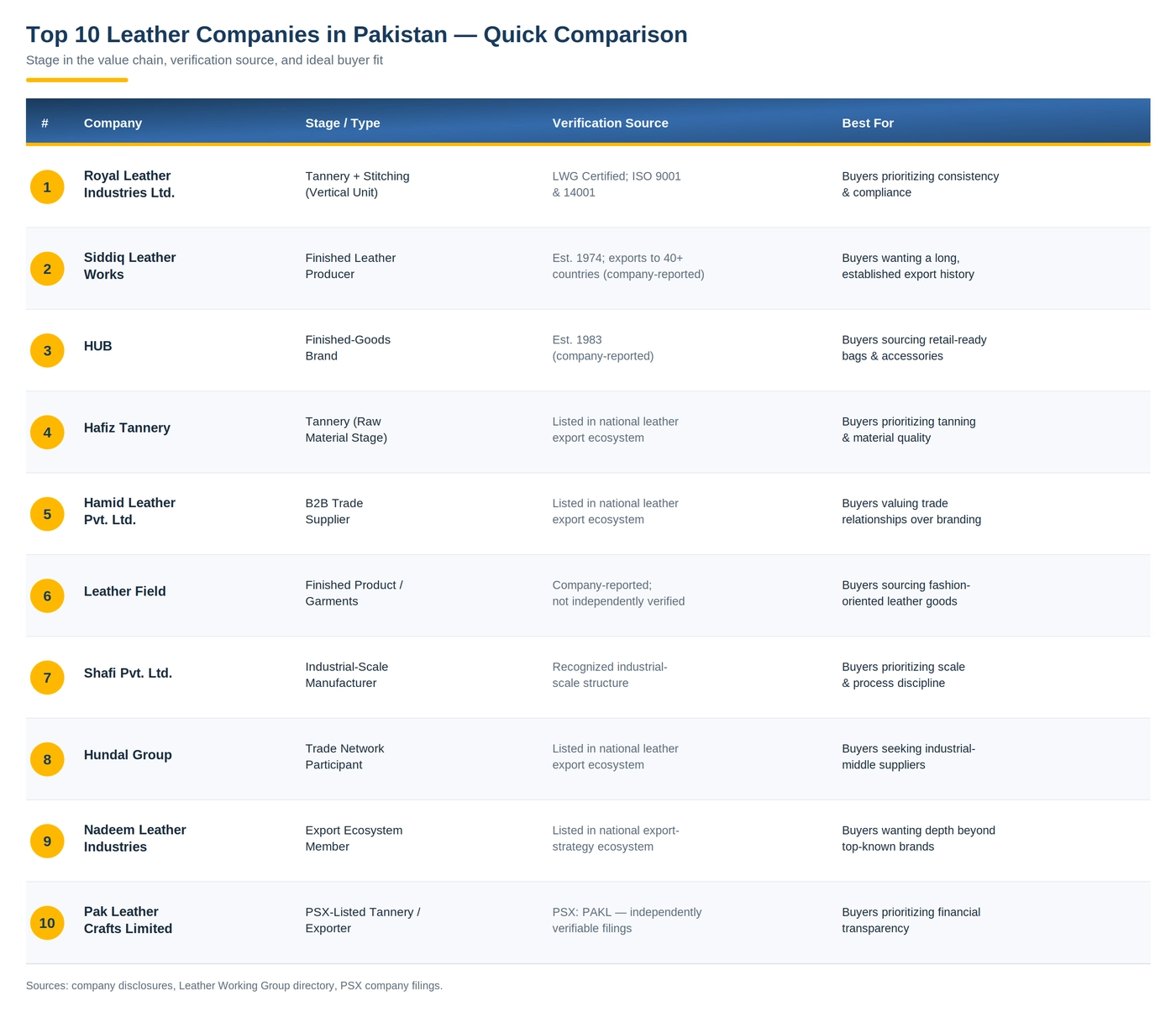
Top 10 Leather Companies in Pakistan
Pakistan's leather sector spans everything from century-old tanneries to design-led finished-goods brands — the right company depends entirely on where in that chain you're sourcing from. Here's a quick side-by-side before the full breakdown.
1. Royal Leather Industries Ltd.
Royal Leather Industries is one of the clearer examples of a vertically integrated leather business in Pakistan. On its official site, the company states that it was incorporated in 1986 and positions itself as a vertical unit producing finished leather for shoes, garments, handbags, and furniture. That description is important because it points to control over more than one stage of the value chain.
For a buyer, vertical structure matters. In leather, the final product is only as good as the material consistency behind it. A company involved in finished leather production is often in a stronger position to manage that consistency than a business buying material entirely from outside. This does not automatically make Royal Leather the best choice for every order, but it does make it especially relevant for buyers who care about repeatability, technical material control, and stable export-oriented production.
What makes Royal Leather more than just another company name is that it sits in an important middle ground. It is not only a brand-facing leather goods seller, and it is not only an upstream tanning unit either. It links material and product more directly, which can be very useful for buyers who want fewer unknowns between raw leather and finished output.
2. Siddiq Leather Works
Siddiq Leather Works is one of the strongest publicly visible names in Pakistan’s leather-production ecosystem. Its official site states that it was incorporated in 1974 and presents the company as a technologically driven leather producer with exports to more than 40 countries. Its public positioning is not limited to one finished-product niche. Instead, it reflects a wider role inside the leather value chain.
That broader role is exactly why Siddiq Leather Works matters in a top-10 article. A lot of buyers approach the leather market looking only at finished jackets, bags, or accessories, but the companies that shape the quality of those products often begin earlier in the chain. A finished leather producer with strong process control can matter just as much as the final product maker, sometimes more.
Siddiq’s relevance also comes from longevity. A company with decades of operating history, established export relationships, and continued visibility in the present market sends a stronger signal than a supplier that appears only through temporary listings. For buyers interested in deeper material reliability rather than only surface presentation, Siddiq remains an important name.
3. HUB
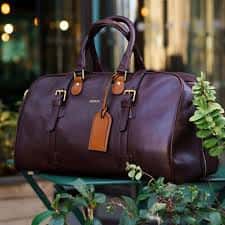
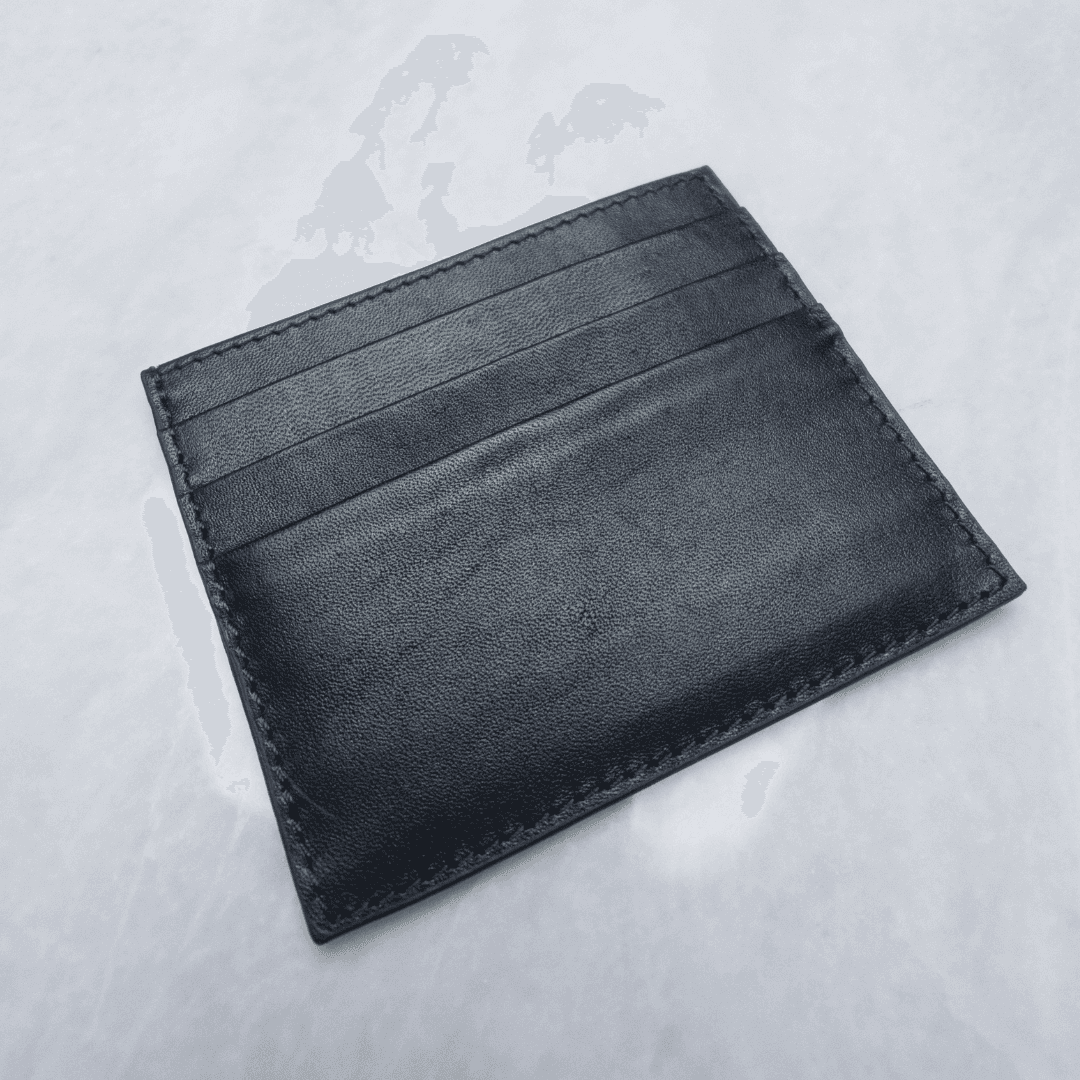
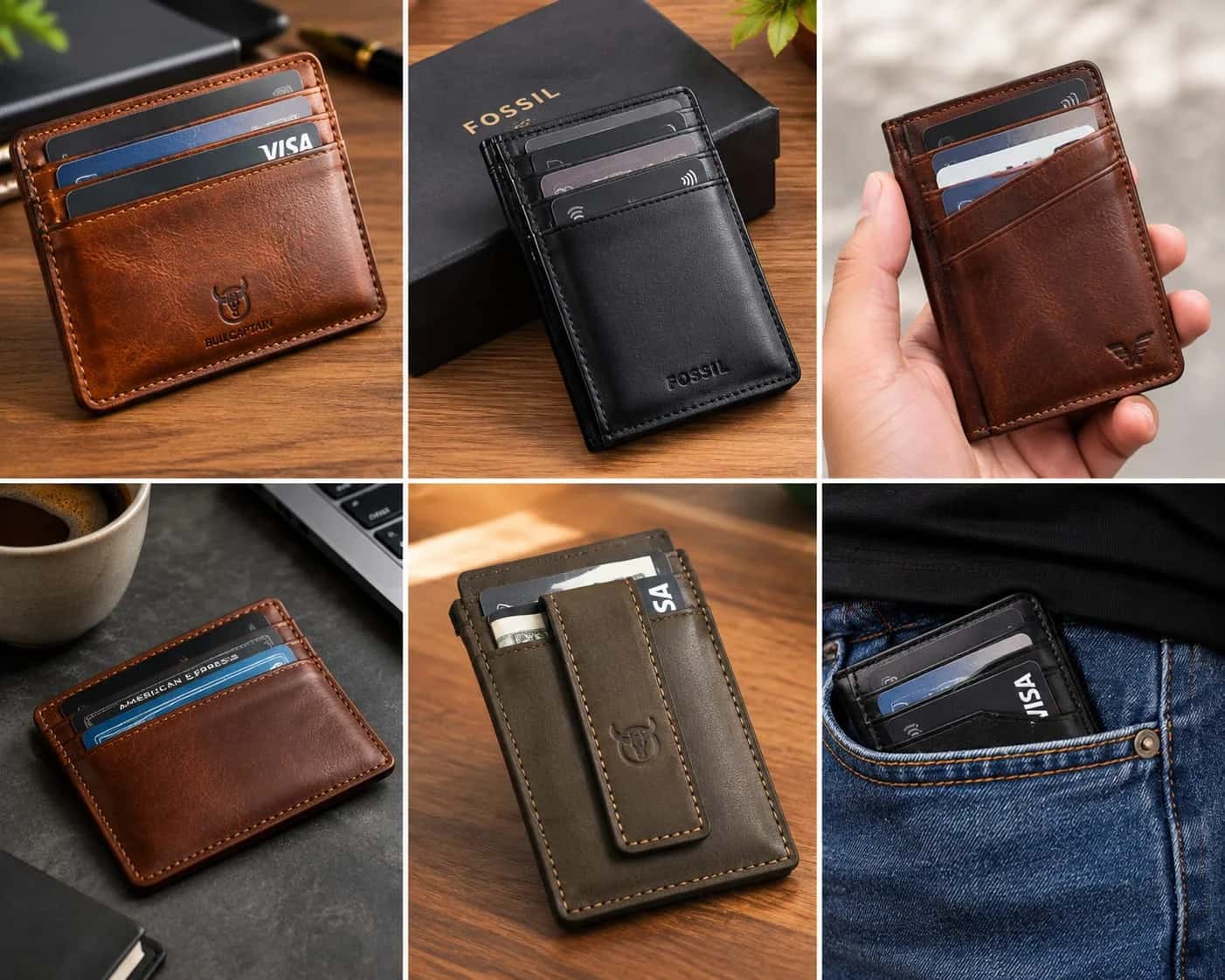
HUB deserves a place in this article because it represents the finished-products side of Pakistan’s leather sector unusually well. Its official site presents it as a brand built around handcrafted premium leather products, including bags, wallets, jackets, and accessories, and it states that it uses cow, buffalo, and sheepskin depending on the product line. Another official brand page says HUB was established in 1983 and positions itself as a professionally managed organization serving customers in Pakistan and abroad.
Why does that matter in a “top leather companies” article? Because not all leather companies should be measured on tanning capability alone. A finished-goods company that understands merchandising, retail presentation, consumer-facing durability, and product design solves a different commercial problem than an upstream finished-leather producer.
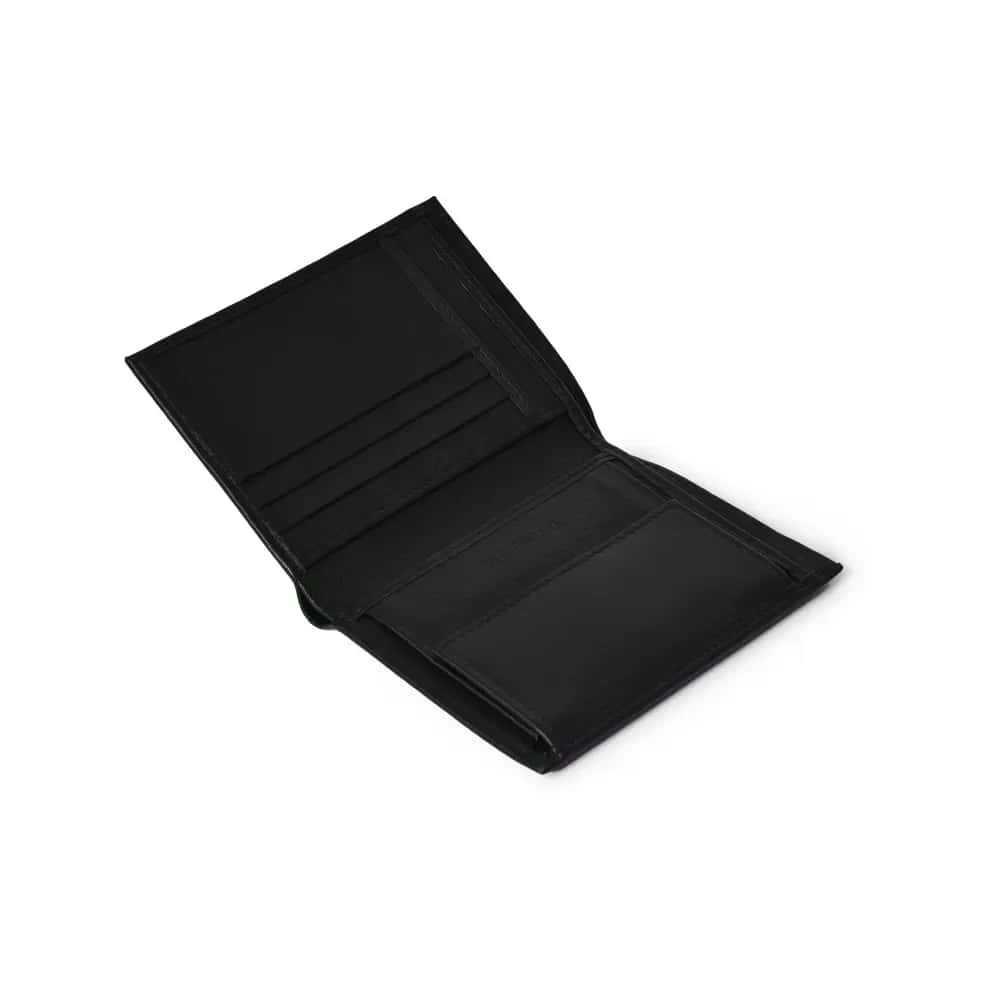
HUB is especially relevant for buyers who think in terms of finished leather categories rather than industrial supply. If the requirement is bags, wallets, accessories, gifting, or design-led leather retail, a company like HUB tells you more about market readiness than a tannery-led business would. That makes it one of the more useful names in the Pakistani leather landscape, especially for buyers closer to retail or premium merchandising.
4. Hafiz Tannery
Hafiz Tannery is important not because it is the loudest public-facing name, but because tanneries sit at the technical foundation of leather quality. Pakistan’s official leather export strategy highlights the role of tanning, finished leather, garments, gloves, and footwear as connected parts of one larger ecosystem. A tannery-led company therefore matters even when the buyer ultimately wants a finished good.
This is one of the places where many first-time buyers misunderstand the market. They compare final products without paying enough attention to the material stage. But in leather, tanning quality affects texture, flexibility, color stability, finishing quality, aging behavior, and long-term durability. A tannery with stronger process discipline can have an outsized effect on the final result.
Hafiz Tannery belongs on this list because Pakistan’s top leather ecosystem is not only about visible brands. It is also about the companies that influence material quality underneath them. For serious buyers, that distinction is commercially important.
5. Hamid Leather Pvt. Ltd.
Hamid Leather is one of those names that reflects the broader B2B reality of Pakistan’s leather trade. It may not have the same consumer-facing public visibility as a retail-oriented leather brand, but it appears within the official leather-export strategy ecosystem, which places it inside the recognized industry structure rather than outside it.
That makes it relevant for an article like this because many good leather companies in Pakistan are not optimized for public storytelling. They are optimized for trade. They work through relationships, industry networks, recurring buyers, and export channels. For a B2B reader, that can actually be more meaningful than a polished consumer-facing presence.
Hamid Leather is a useful reminder that in leather sourcing, visibility and capability are not always proportional. A buyer looking only at the most marketed names may miss commercially strong companies that are already part of Pakistan’s recognized leather ecosystem.
6. Leather Field
Leather Field matters because it represents a more product-facing leather business rather than a purely upstream material producer. In Pakistan’s leather market, that difference matters a great deal. Some companies are strongest when judged on tanning depth and finished leather quality. Others are better judged by how well they translate material into a product that sells, wears well, and meets fashion or retail expectations.
Leather Field belongs on this list because buyers looking for garments or finished fashion-oriented leather often need a different lens than buyers sourcing semi-finished material. Design, fit, finishing, and category specialization all matter more at that stage. While I would not overstate technical claims I cannot verify directly from current official disclosures, Leather Field is still a relevant company-level inclusion in the broader landscape of leather businesses buyers encounter in Pakistan.
Its relevance is practical. It helps represent the part of the sector where leather is not just processed well, but turned into an actual product proposition.
7. Shafi Pvt. Ltd.
Shafi is one of the more significant names in Pakistan’s broader leather and industrial ecosystem because it represents scale, structure, and multi-stage manufacturing logic. Even when a buyer is not sourcing directly from a company like this, it still matters as a benchmark for what organized industrial capability looks like in Pakistan’s leather-linked space.
Why include it in a top-10 leather companies article? Because some companies matter less for public product catalogues and more for what they signal about industrial strength. Buyers looking for serious long-term sourcing relationships usually care about process discipline, systems, quality control, and organizational continuity. A company operating at that level can be far more valuable than a supplier with attractive samples but weak repeatability.
In a sector where inconsistency is one of the biggest risks, industrial structure itself becomes a commercial asset.
8. Hundal Group
Hundal Group is relevant because it appears within the official leather-export ecosystem rather than as a purely retail-facing name. That makes it an important inclusion in a serious shortlist because this market is not made only of famous consumer brands. It is made of companies that participate in the leather trade network at different levels.
A strong article on top leather companies should reflect that reality. Some businesses matter because they are visible to end users. Others matter because they are credible to trade participants. Hundal Group belongs in the latter category. For buyers, that means it is worth understanding as part of the supplier landscape even if it is not the most discussed name in consumer-facing search results.
This is exactly why leather sourcing requires more than surface familiarity. The best company for a given order may come from the industrial middle of the market, not from the most recognizable retail end of it.
9. Nadeem Leather Industries
Nadeem Leather Industries rounds out this list because it reflects the depth of Pakistan’s leather ecosystem beyond the handful of names that appear most often in casual discussions. It is also part of the official export-strategy ecosystem, which gives it industry relevance in a grounded way.
10. Pak Leather Crafts Limited
Pak Leather Crafts Limited rounds out this list with a credential none of the others on it can claim: it's publicly listed on the Pakistan Stock Exchange (ticker: PAKL), which means its incorporation, financial filings, and regulatory disclosures are independently verifiable rather than resting solely on company-provided descriptions. Incorporated in 1987, the company describes itself as a leading manufacturer and exporter of finished leather from cow and buffalo skins, supplying garments, gloves, shoes, and bags.
For buyers who weight sourcing decisions on formal accountability — audited financials, public disclosure obligations, regulatory oversight - a PSX-listed supplier sits in a different risk category than a privately held one, regardless of production scale. That's a genuinely different reason for inclusion than any other name on this list, and worth knowing about even for buyers who ultimately choose a private supplier instead.
PSX listing and incorporation year independently verifiable via Pakistan Stock Exchange company filings; production and material claims are company-reported.
Its inclusion matters for another reason. In Pakistan’s leather market, there is a meaningful difference between “best known” and “most relevant.” Some companies are valuable because they help a buyer understand where real leather capability sits in the country, even if public storytelling around them is limited.
For businesses looking seriously at Pakistan as a leather source, a name like Nadeem Leather Industries signals the broader point of this article: the market is deeper than the obvious shortlist, and serious sourcing benefits from understanding that depth.
What Separates Top Leather Companies from Average Ones
A weak way to evaluate leather companies is to compare only product photos and quoted prices. A better way is to look at structure.
Top leather companies usually stand apart in a few consistent ways. They either control more of the value chain, operate with stronger quality discipline, show better export familiarity, or maintain a clearer fit between their capabilities and the category they serve. A tannery-led company may be stronger on leather consistency. A finished-products company may be stronger on design and retail readiness. A broader industrial player may be stronger on systems and scale.
That is why a good leather supplier is not the same thing as the right leather supplier. The right company is the one whose operating model matches the buyer’s real need.
How the Industry Is Changing
The leather business in Pakistan is still relationship-driven, but discovery is becoming more digital. Buyers are increasingly doing the first stage of research online, comparing companies, reviewing available public information, and only then moving into contact, samples, and negotiation.
That does not eliminate traditional sourcing. It changes the starting point.
This is where platforms like Baramdat become especially useful. They help businesses reduce the time spent on early discovery and give them a clearer shortlist before deeper verification begins. In a category where supplier variation can be significant, that early clarity has real commercial value.
Conclusion
The top 10 leather companies in Pakistan should not be read as a flat ranking of identical businesses. They represent different kinds of strength inside the same industry.
Some names matter because they are strong in finished products. Some matter because they are tied more closely to tanning and material quality. Some matter because they show scale and industrial structure. Others matter because they are part of the official leather-export ecosystem and remain relevant to actual trade even without heavy brand visibility.
For a buyer or business, that is the real takeaway. The best leather company in Pakistan is not simply the most famous one. It is the one whose place in the value chain, operating style, and product capability align with what you actually need.
Frequently Asked Questions
What are some popular leather brands in Pakistan?
Names like HUB, Siddiq Leather Works, and Royal Leather Industries are among the more visible in Pakistan's leather sector, spanning finished-goods brands, established leather producers, and vertically integrated tanneries. "Popular" varies by segment, though — a brand well known for retail-facing bags and jackets isn't necessarily the one a buyer wants for bulk finished-leather material, and vice versa.
Which city is famous for the leather industry in Pakistan?
Lahore is the most closely associated city, with strong concentrations of tanning and finished-leather production. Karachi contributes significant scale and export logistics infrastructure, while Sialkot and other clusters specialize in leather goods and sporting/surgical-adjacent leather products. Which city matters most depends on whether a buyer needs processing depth, finished products, or export-ready logistics.
Which brand is best for leather?
There isn't a single "best" - it depends on what stage of the value chain a buyer needs. A tannery is judged on material consistency and finishing quality; a finished-goods brand is judged on design, durability, and merchandising. Buyers get better results comparing companies within the same category (tannery vs. tannery, finished-goods vs. finished-goods) rather than across the whole sector at once.
What are the top 10 leather jacket brands in Pakistan?
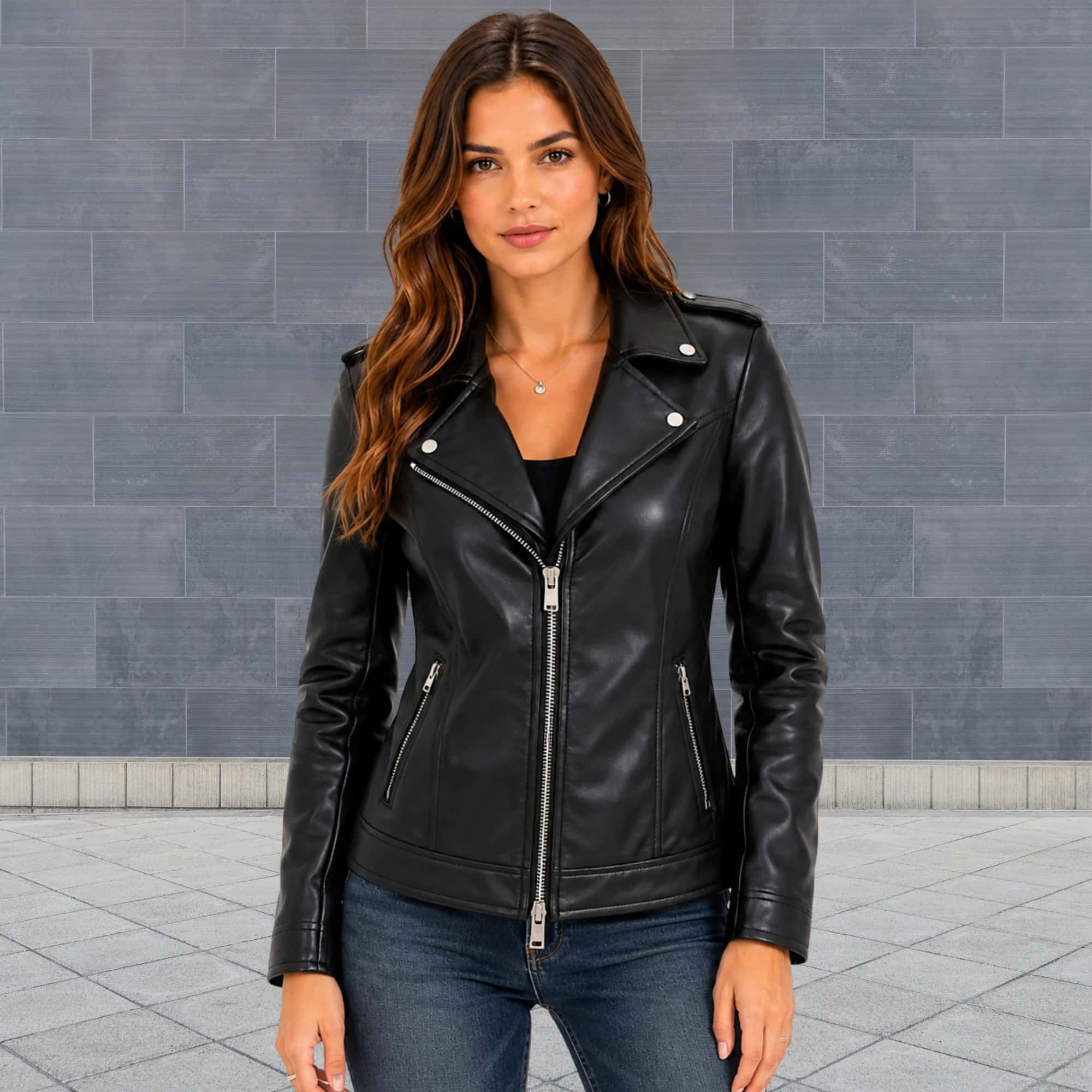
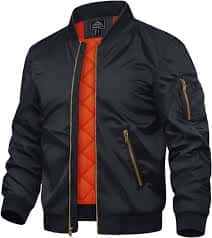
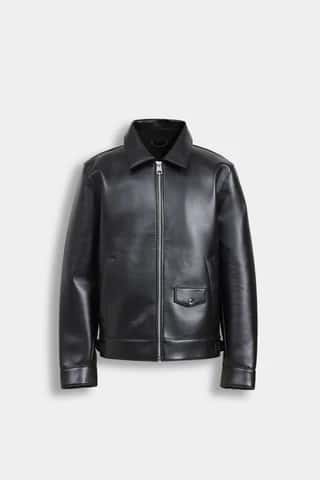
Jacket-specific manufacturing sits within the broader finished-goods segment of this list — companies like HUB and Leather Field, for example, produce leather jackets among other product lines. This guide covers leather companies across the full value chain rather than a jacket-only ranking, so buyers specifically sourcing jackets should look at the finished-goods and brand-facing names here first.
Why are leather companies in Pakistan important for global sourcing?
Pakistan's leather sector combines tanning capacity, finished-goods manufacturing, and export experience across garments, gloves, footwear, and accessories. Recent trade data points to sustained export activity, meaning buyers are engaging with an established ecosystem rather than an experimental or thin market.
How should I evaluate leather companies in Pakistan?
Start by identifying where a company sits in the value chain — tannery, finished-leather producer, or retail-facing finished-goods brand shouldn't be judged by the same criteria. From there, assess consistency, communication, export readiness, and whether the company's actual strengths match your product category and order model.
Are Pakistani leather companies suitable for smaller brands?
Yes, with some fit-matching. Larger companies typically offer stronger systems and scale; smaller or category-specific manufacturers can be more flexible for brands testing new product lines or private-label runs. Starting with samples and verifying repeatability before committing to volume is the safest path either way.
What makes leather sourcing more complex than many other categories?
Leather quality depends on more than surface appearance — hide quality, tanning, finishing, stitching, and batch-to-batch consistency all shape the final product. Two suppliers can look nearly identical in samples but diverge sharply in long-term performance, which is why sampling and process transparency matter more here than in many other sourcing categories.
Is Pakistan still competitive in leather sourcing in 2026?
Yes. Recent trade figures continue to show meaningful export volume across leather manufactures, garments, gloves, and footwear. That doesn't mean every supplier performs equally — but it confirms Pakistan remains a relevant market for buyers who evaluate companies with the right criteria.
Why is Baramdat mentioned in this guide?
Baramdat isn't one of the ten companies profiled here — it's referenced because the sourcing journey matters as much as the shortlist itself. It's a platform for discovering and comparing companies like these and reaching out directly, not a manufacturer competing for a spot on the list.
You can view the products listed orsign up on Baramdat for free