
By Muhammad Umar - 17 April 2026 · 15 min read
Top 10 Leather Products Manufacturers in Pakistan for 2026
List Of Top 10 leather product manufacturers in Pakistan for 2026, 1. Baramdat, 2. Royal Leather Industries Ltd
Pakistan’s leather industry remains one of the country’s most established export sectors, but buyers who enter it for the first time often realize very quickly that it is not an easy market to understand from the outside. A supplier may look strong in a catalogue and still struggle with consistency, while another may have less brand visibility but far better production discipline. That is why many businesses now begin their search through platforms like Baramdat, where they can shortlist leather products manufacturers, compare categories, and start direct conversations before moving further into samples, negotiations, and production discussions.
That shift matters because the Pakistani leather sector is not built around a single type of manufacturer. It includes tanneries, garment-focused factories, export-oriented groups, specialist producers of finished leather, and smaller workshops that serve more flexible or design-led needs. In other words, finding the right supplier is not just about identifying a name. It is about understanding what kind of manufacturer stands behind that name, what part of the leather value chain it controls, and how well it fits the buyer’s actual sourcing model.
Related products

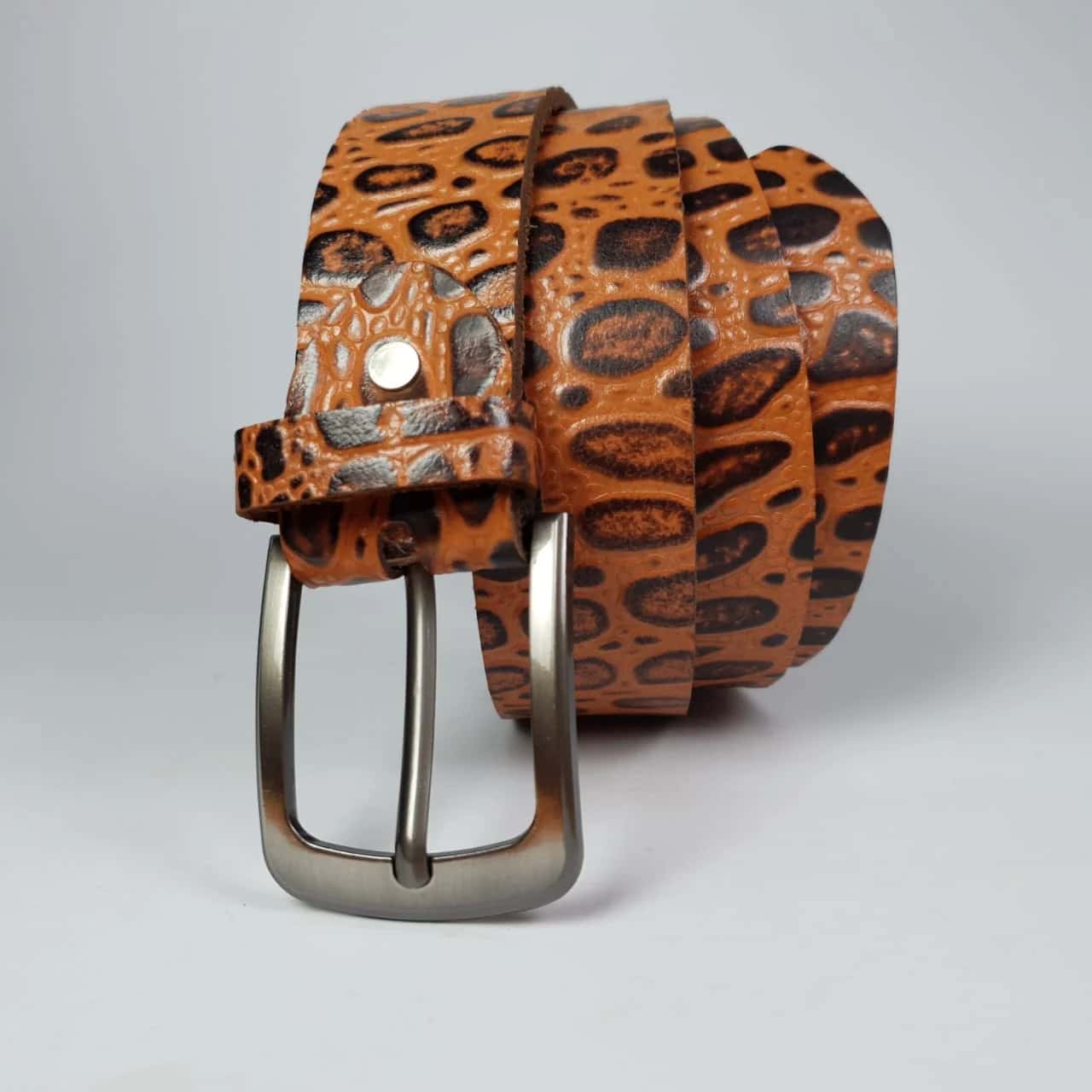
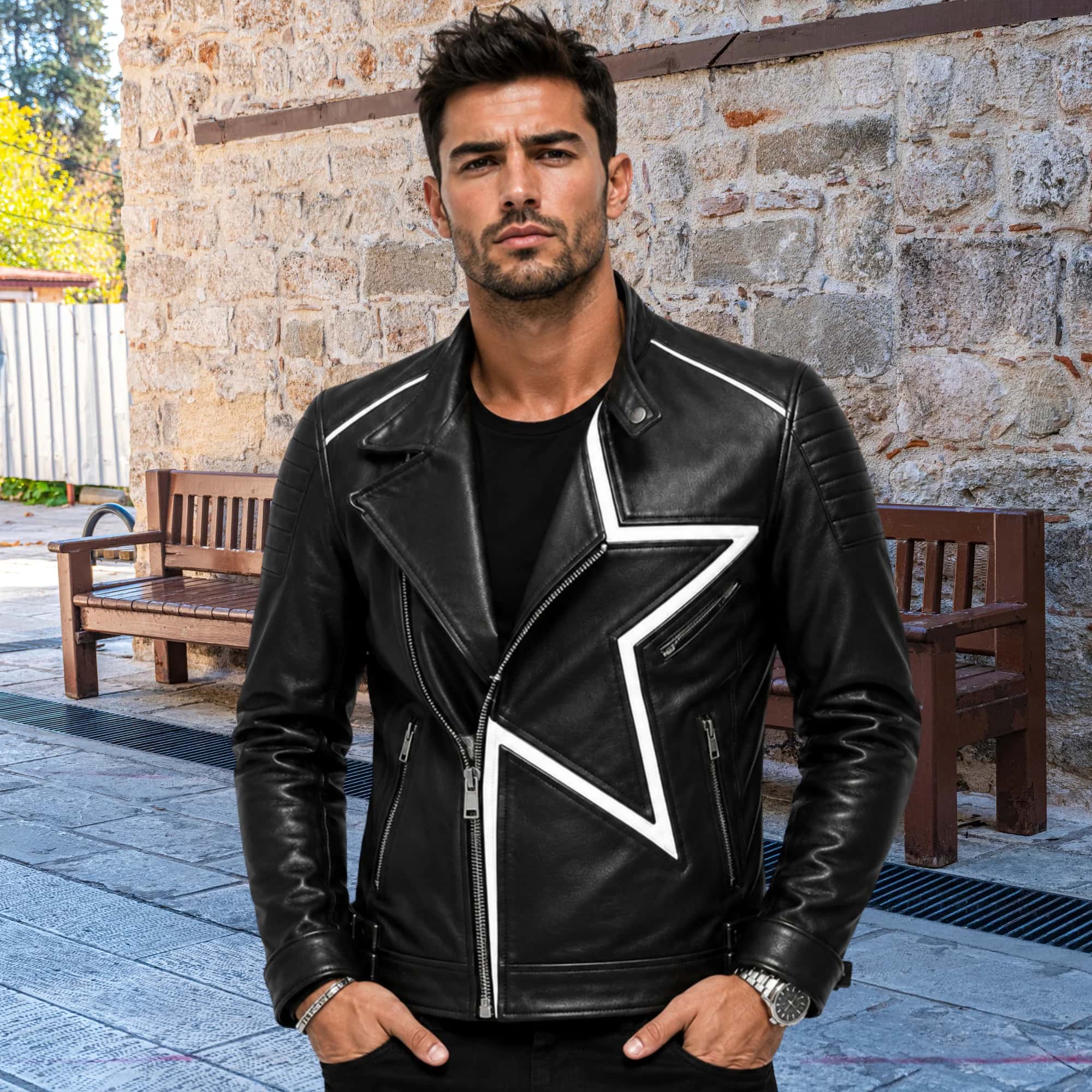

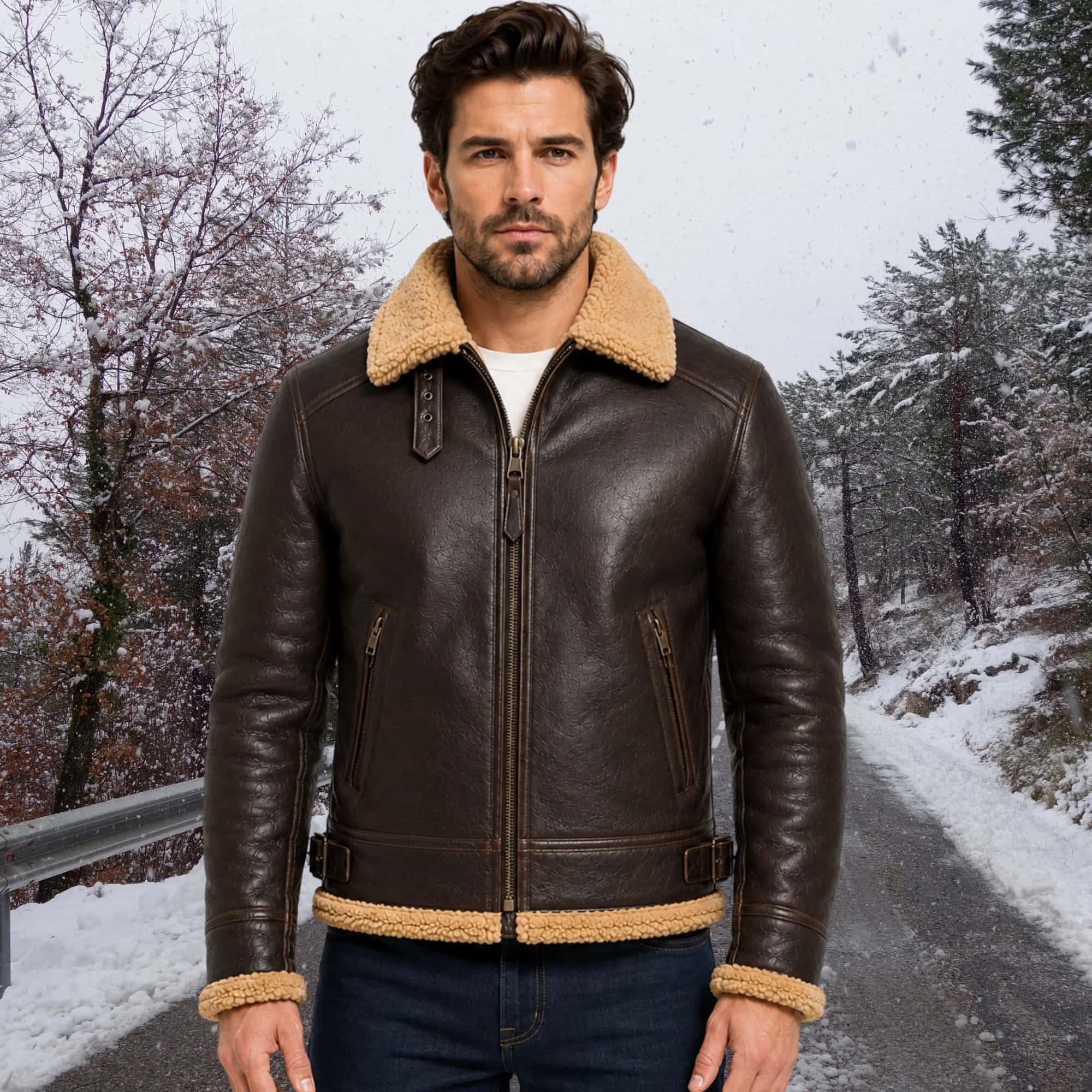

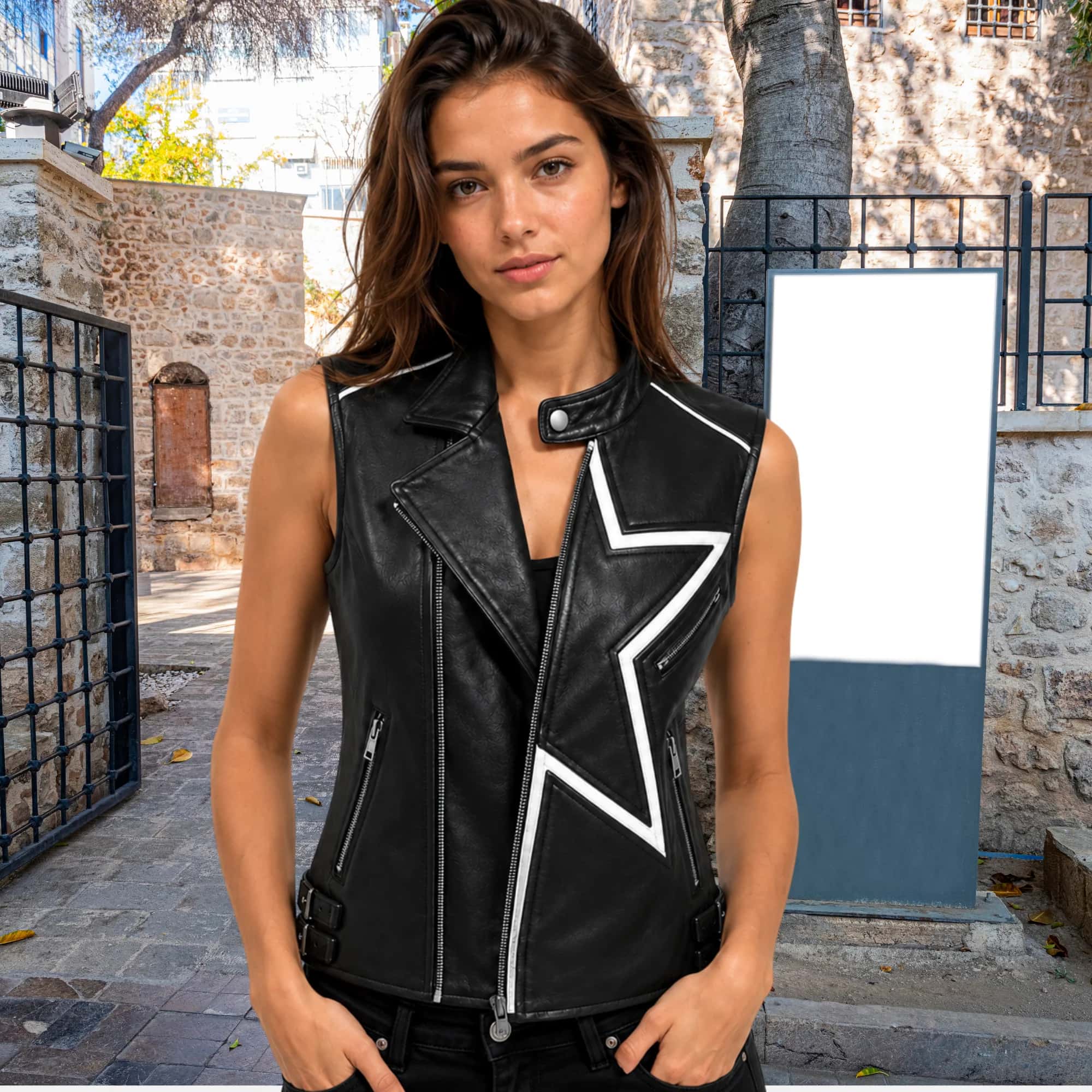
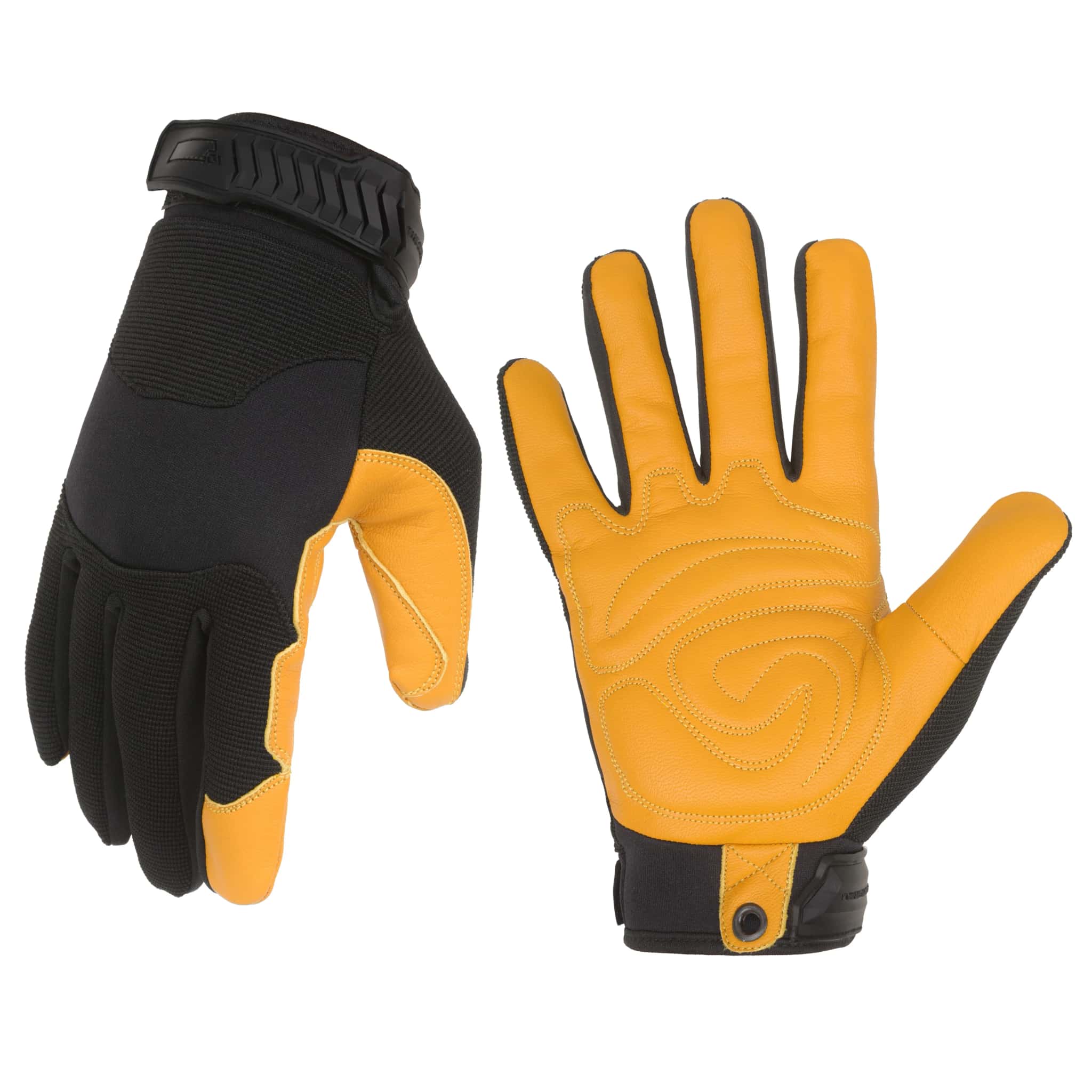
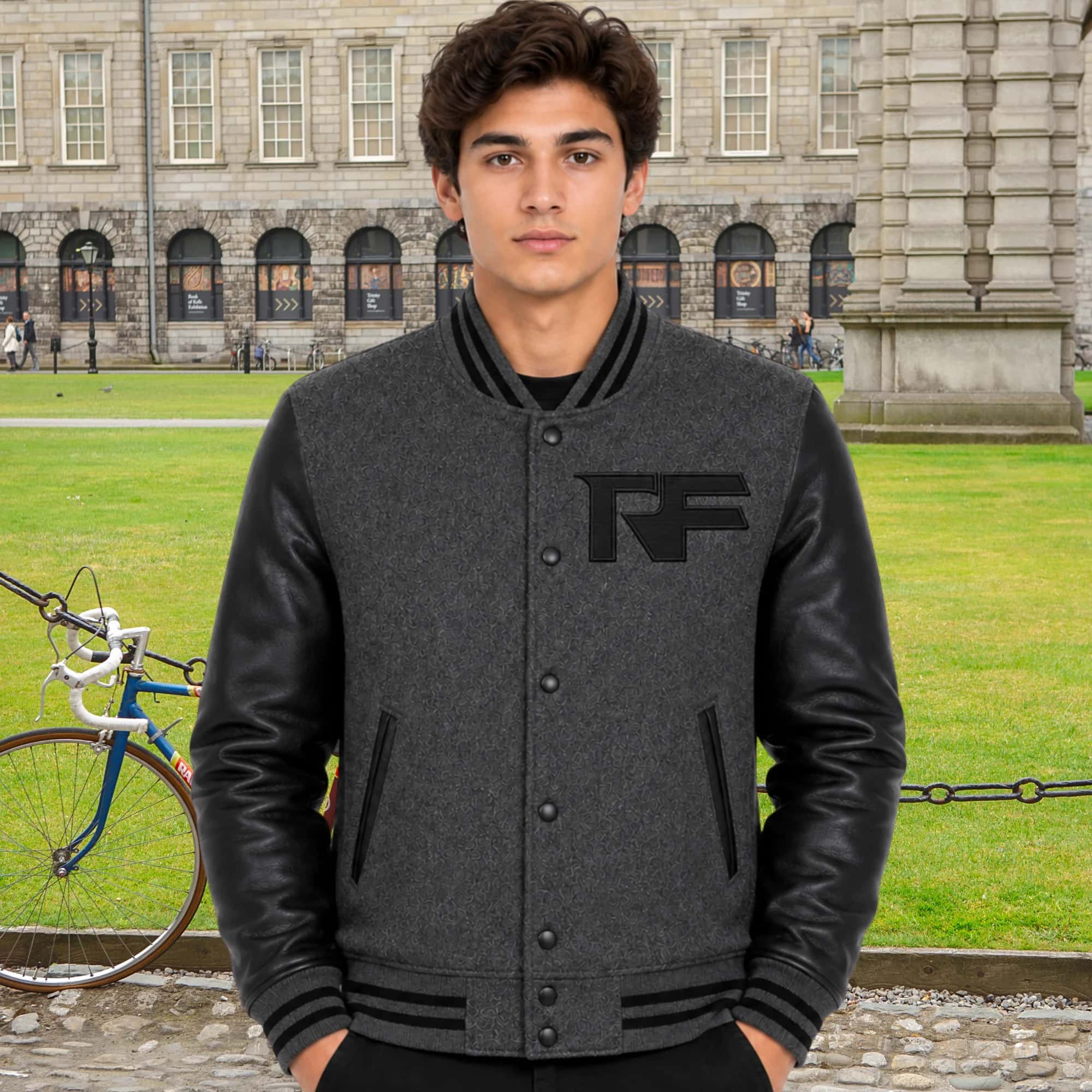
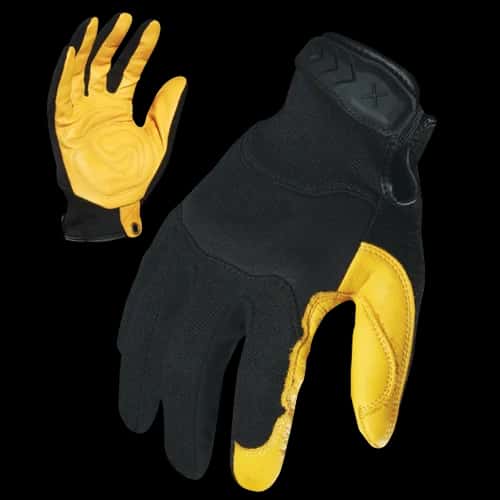
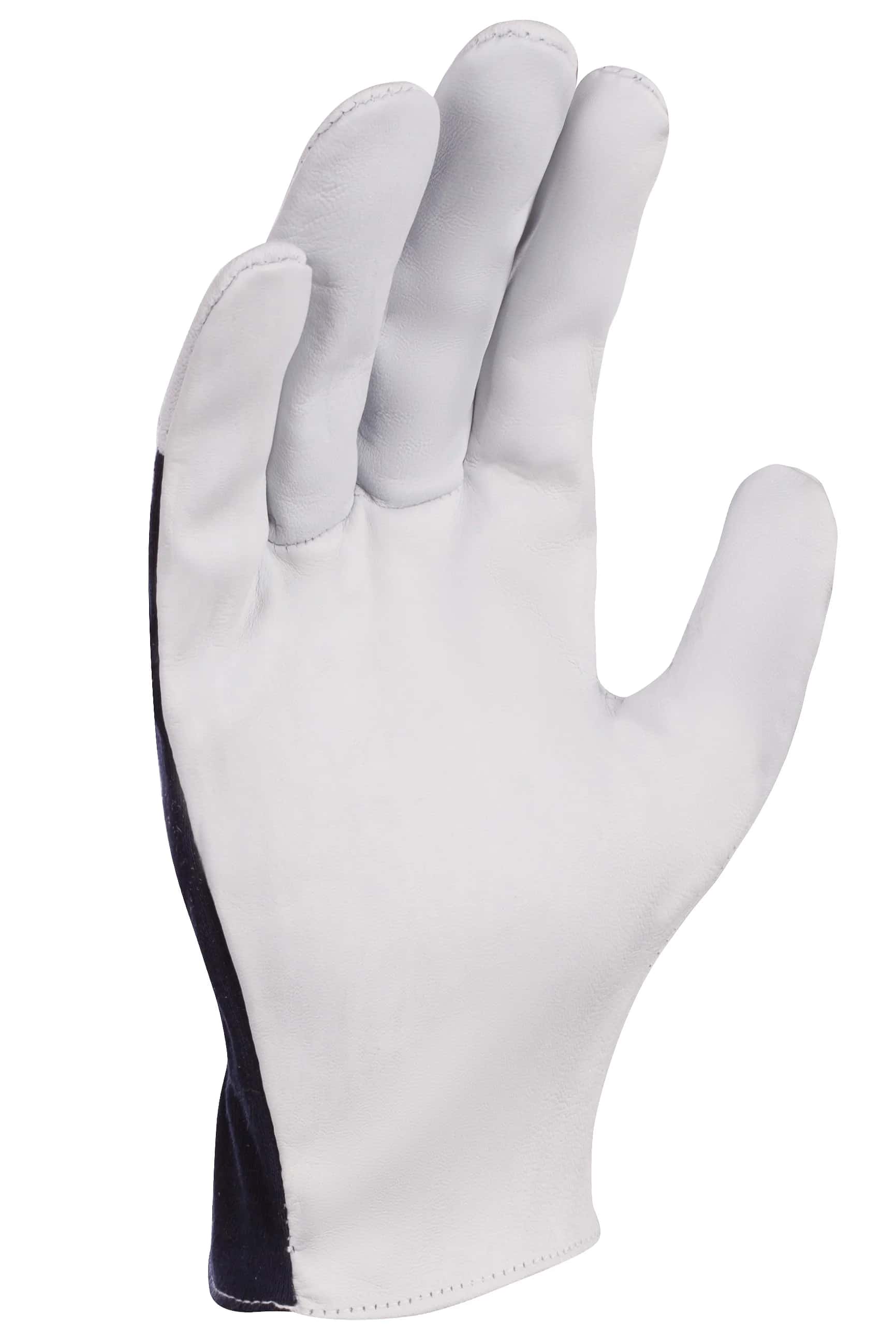
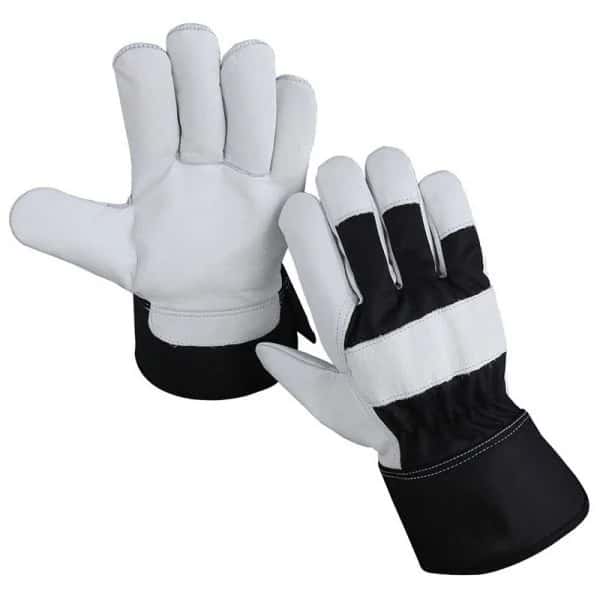
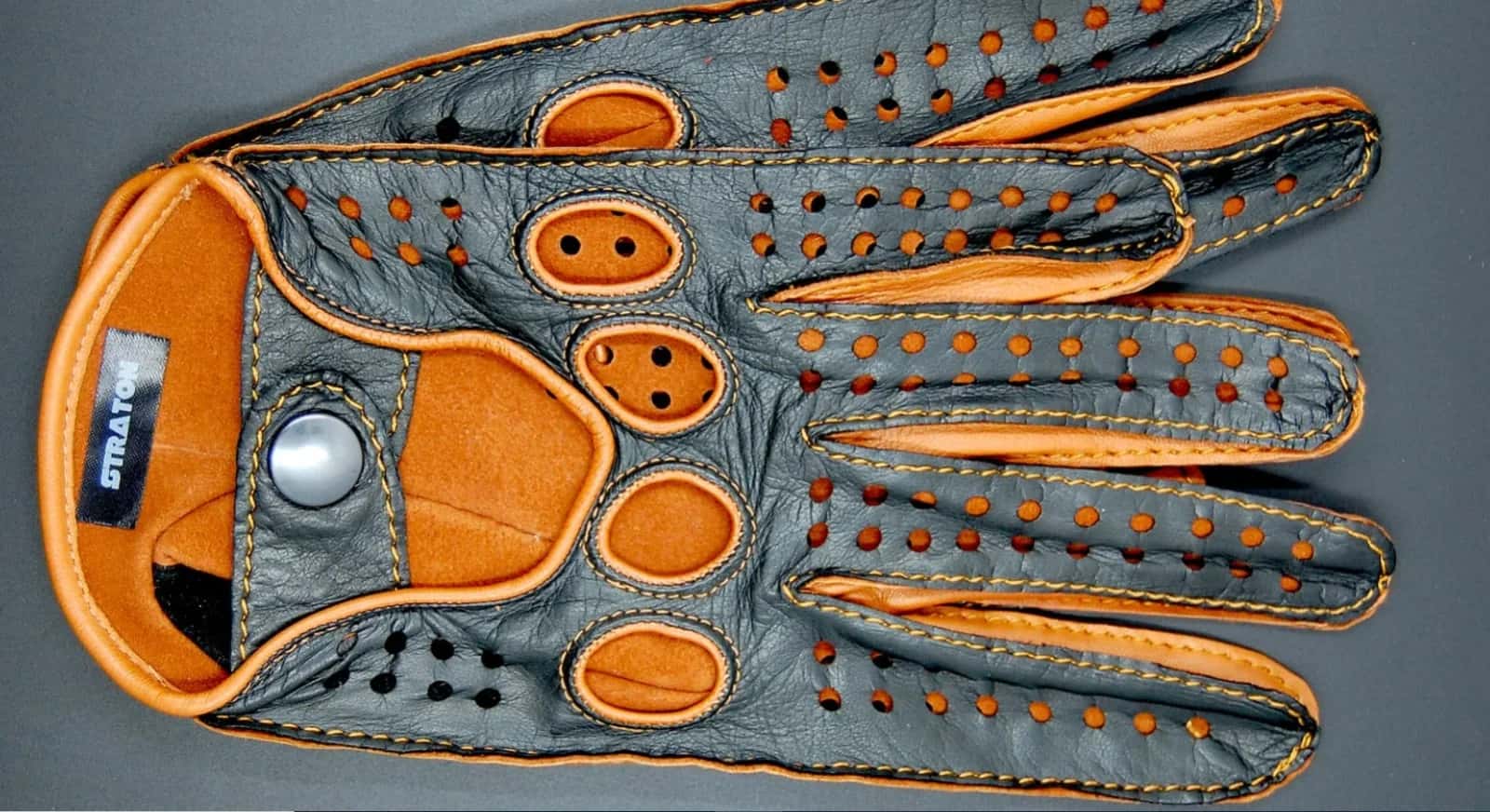
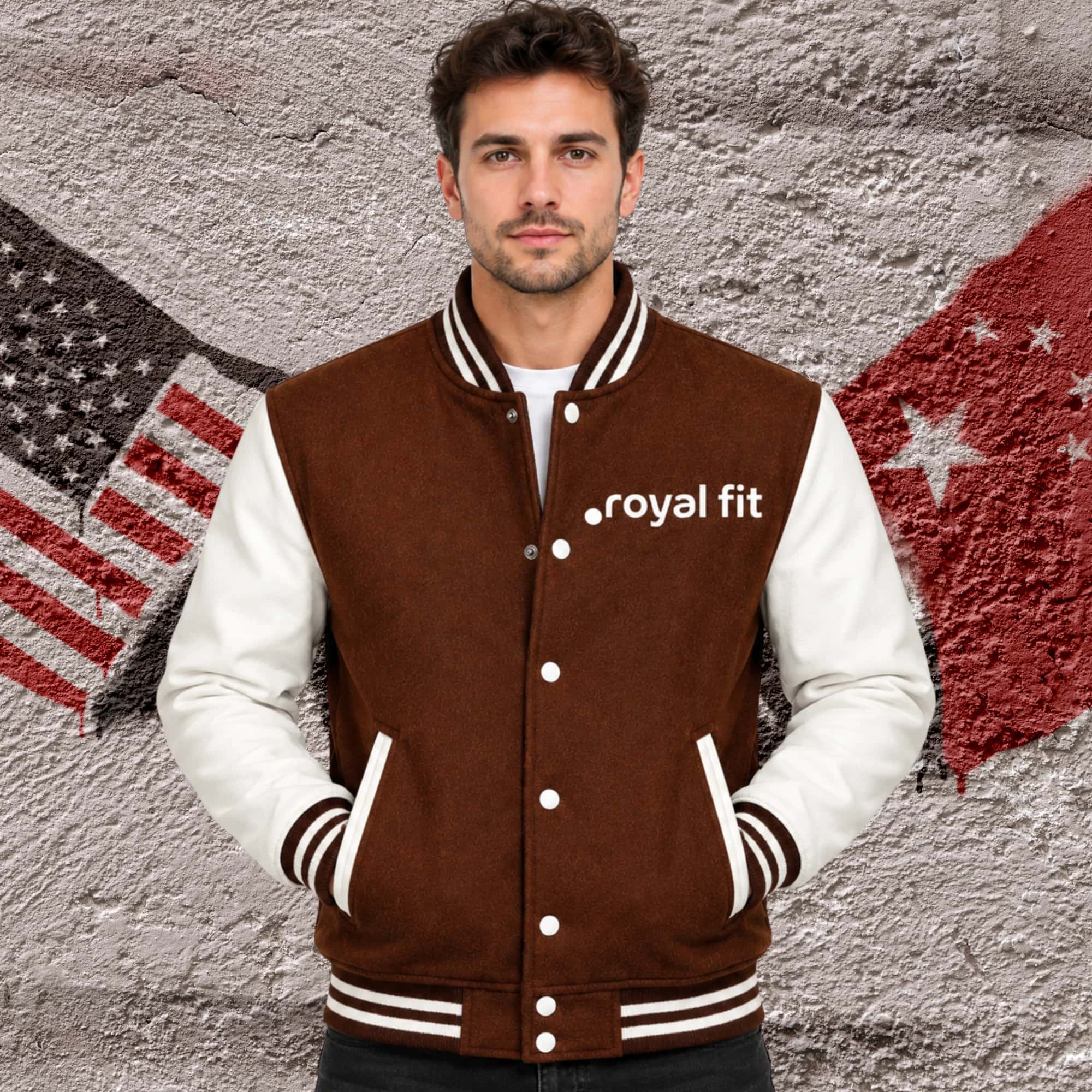
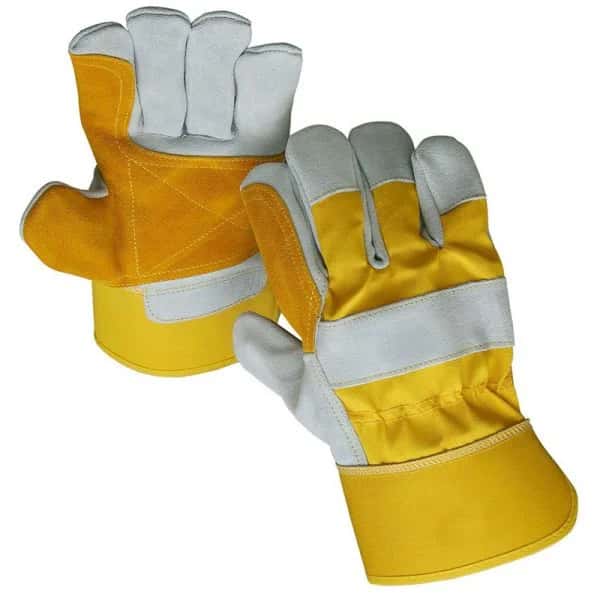
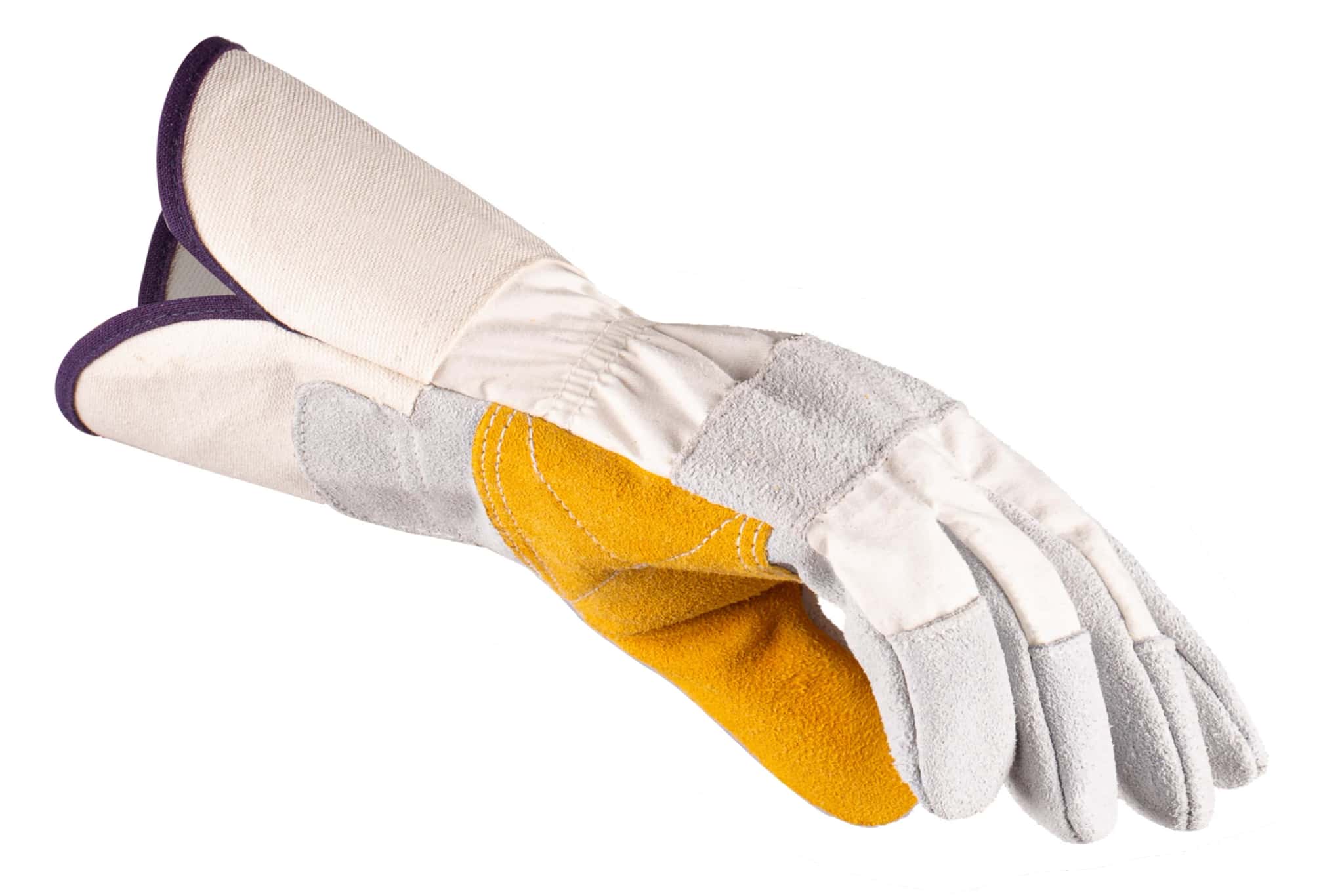
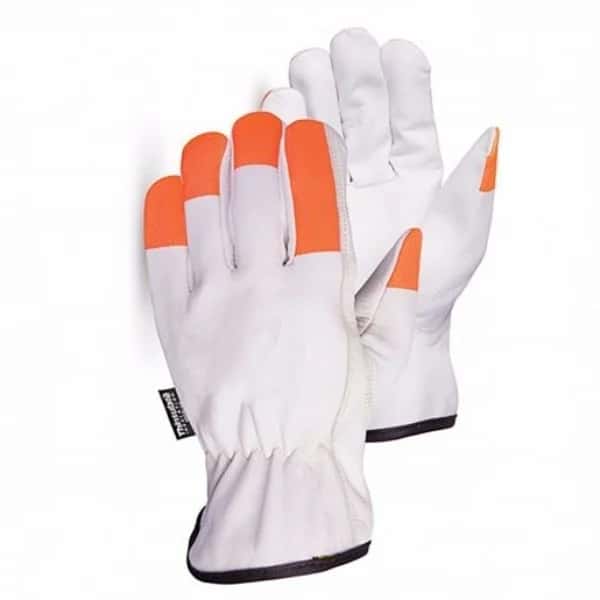
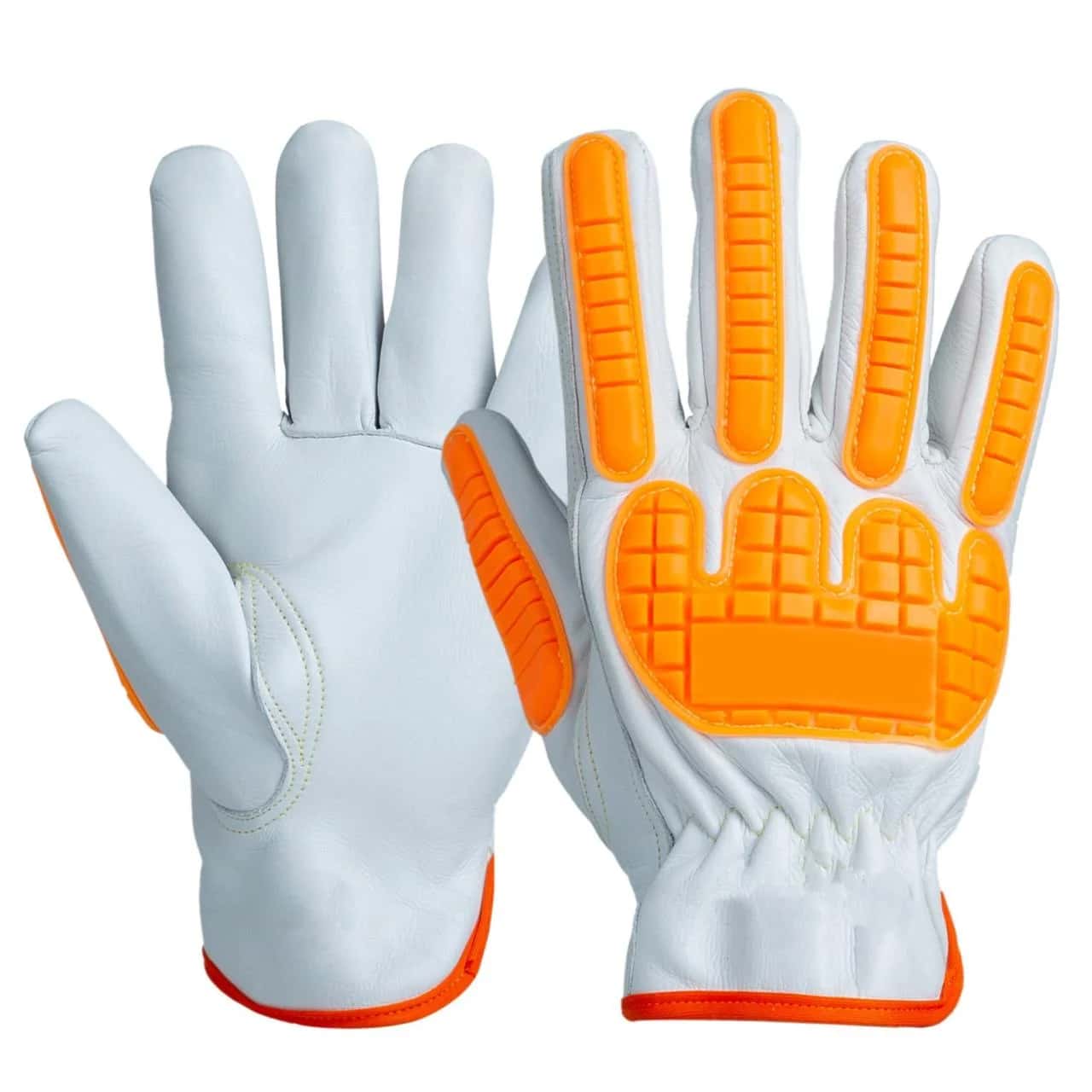
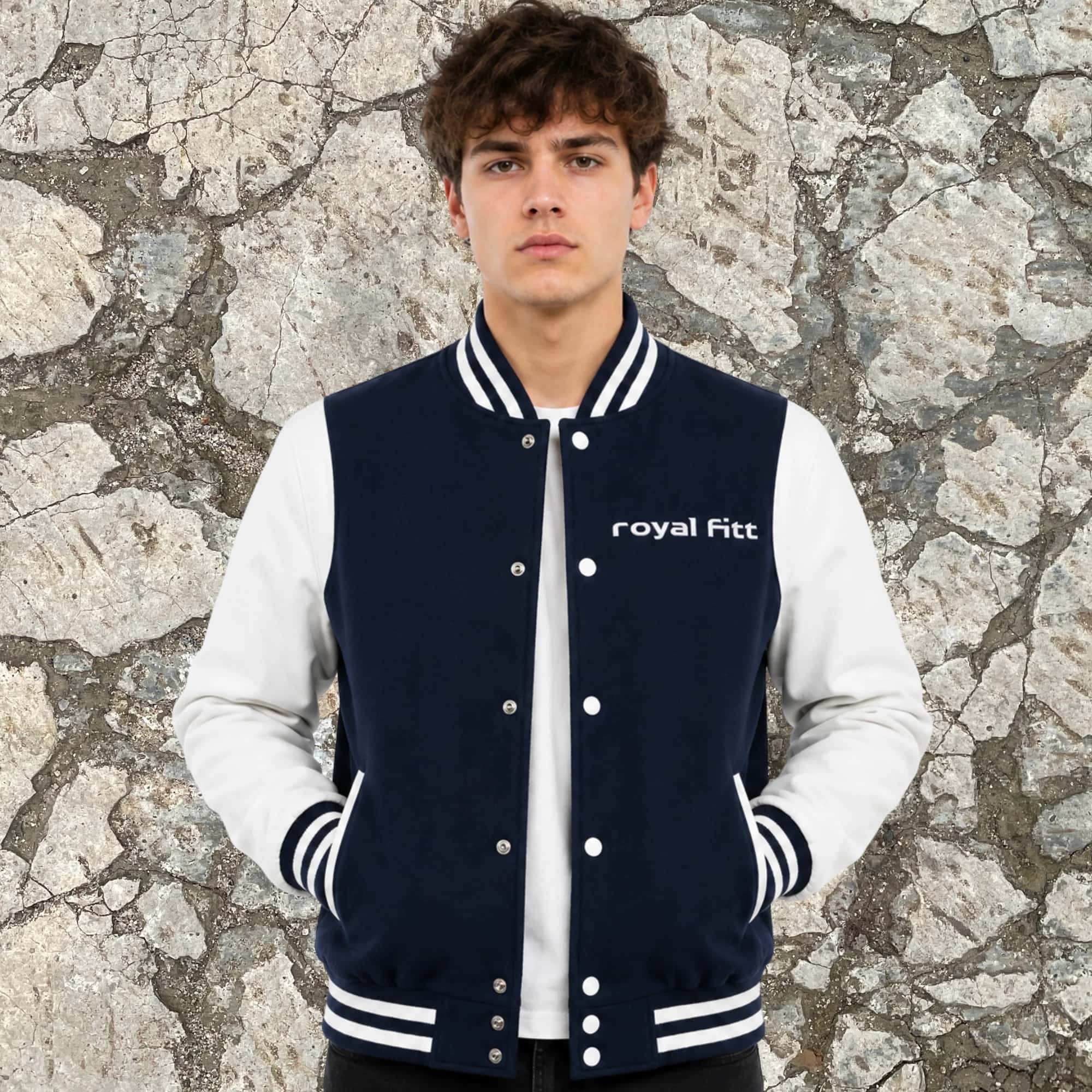
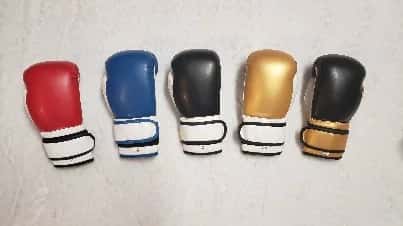
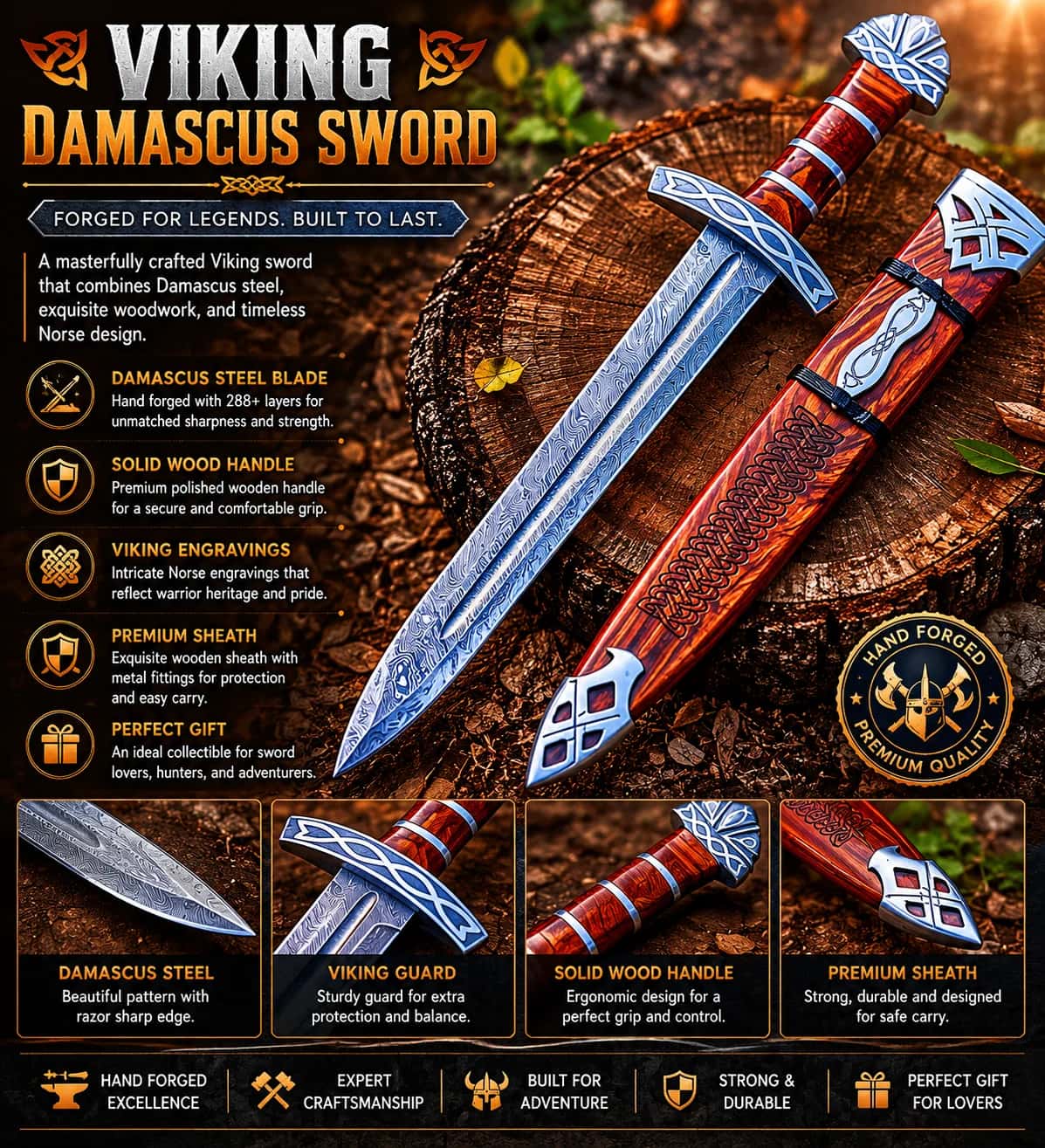
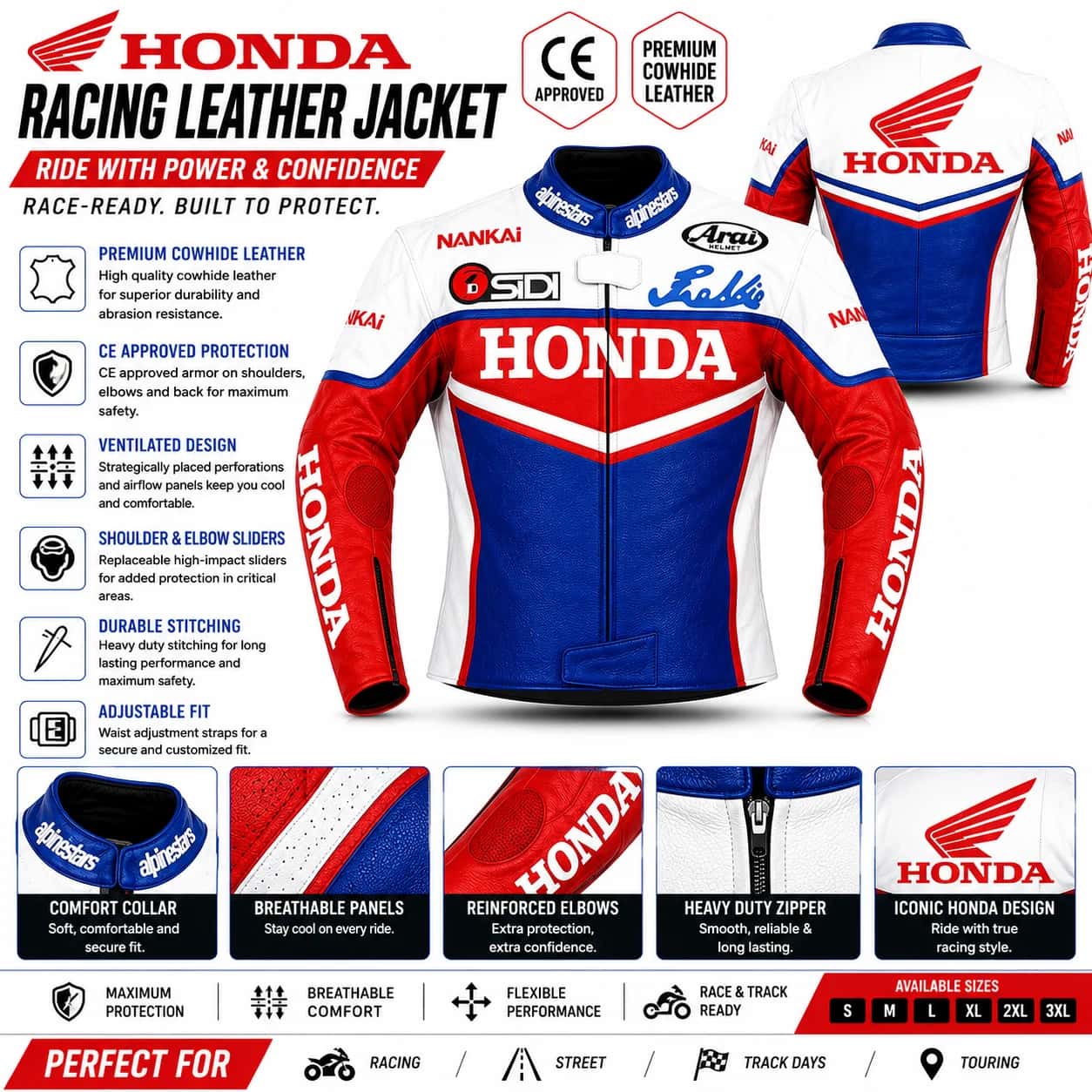
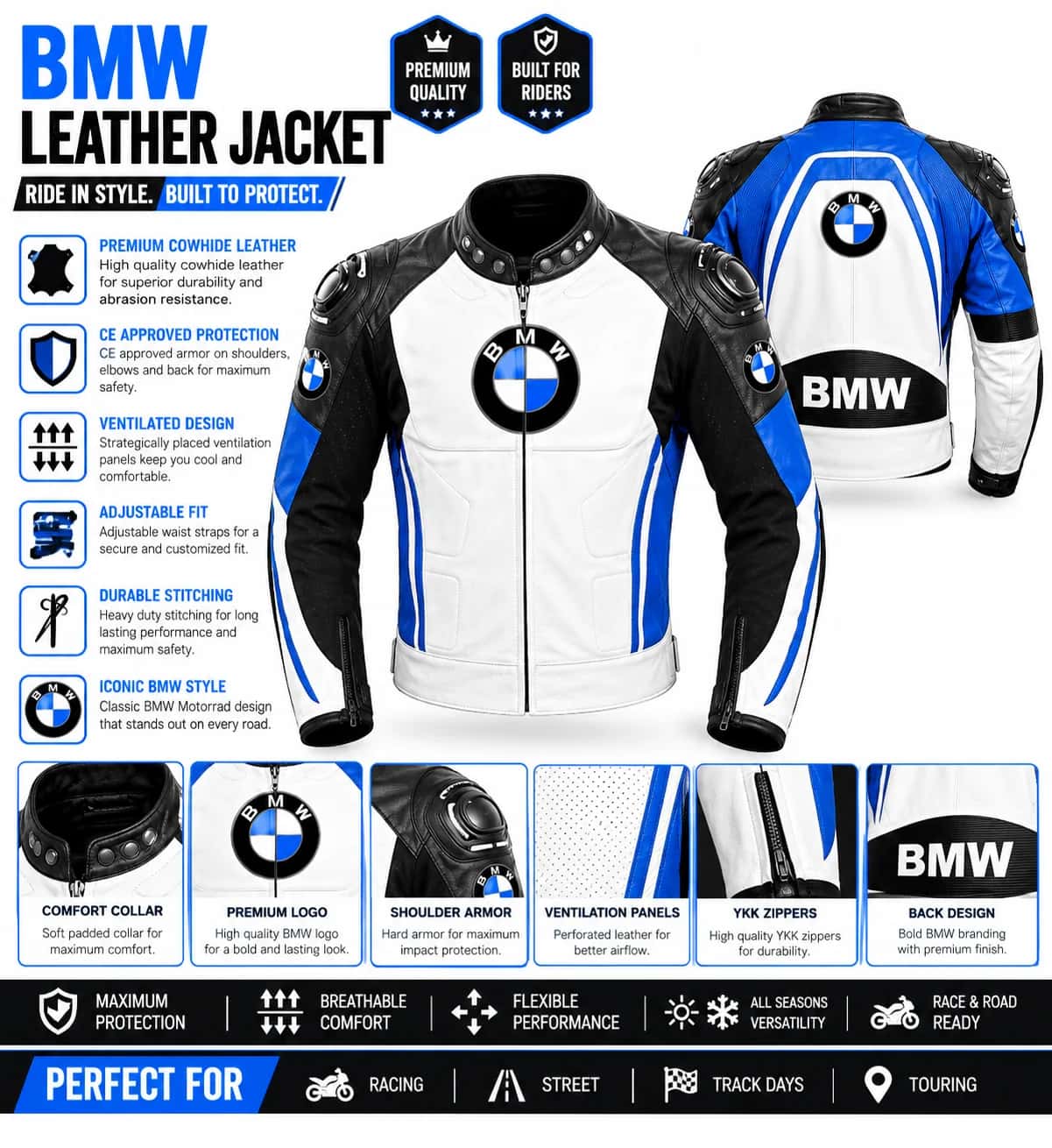
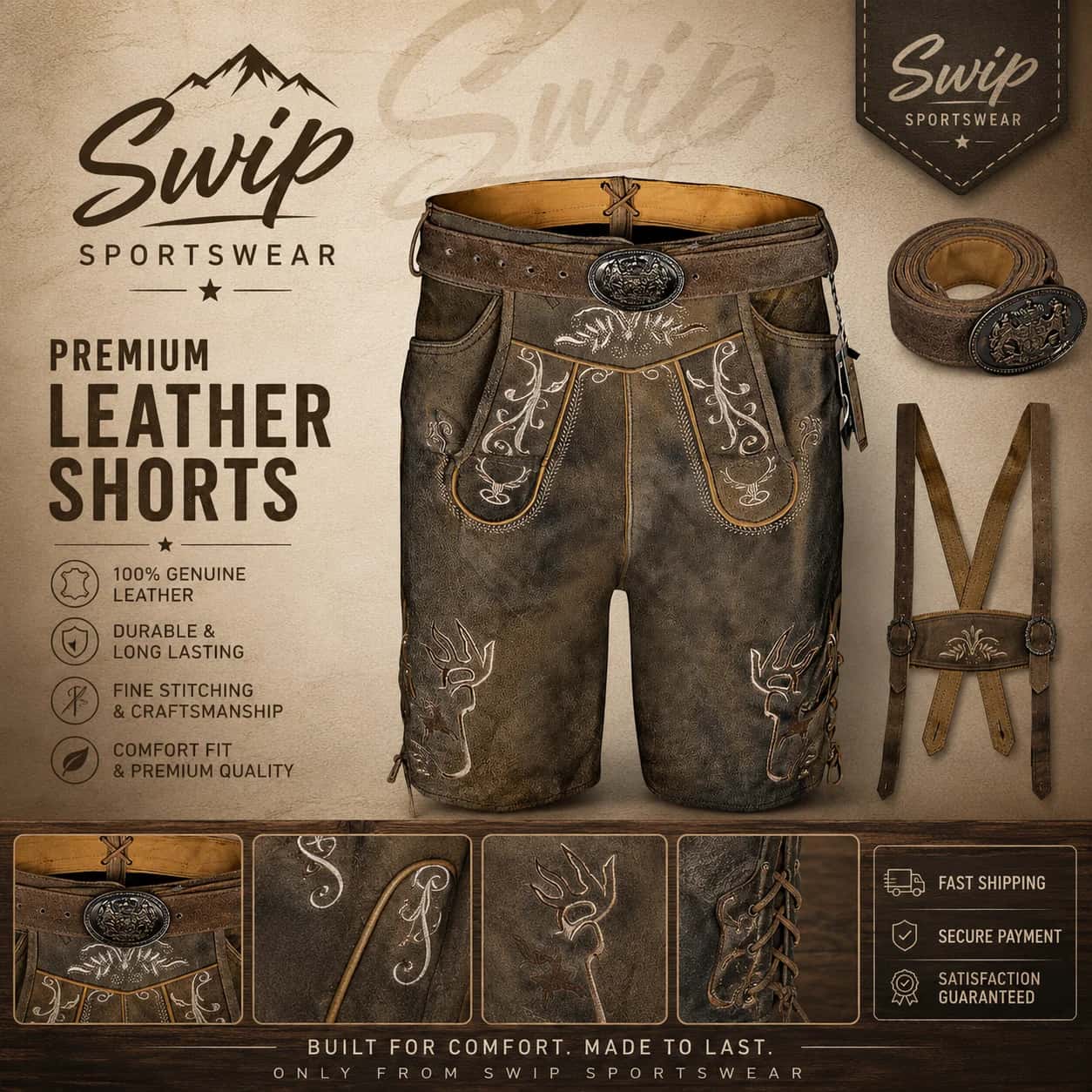
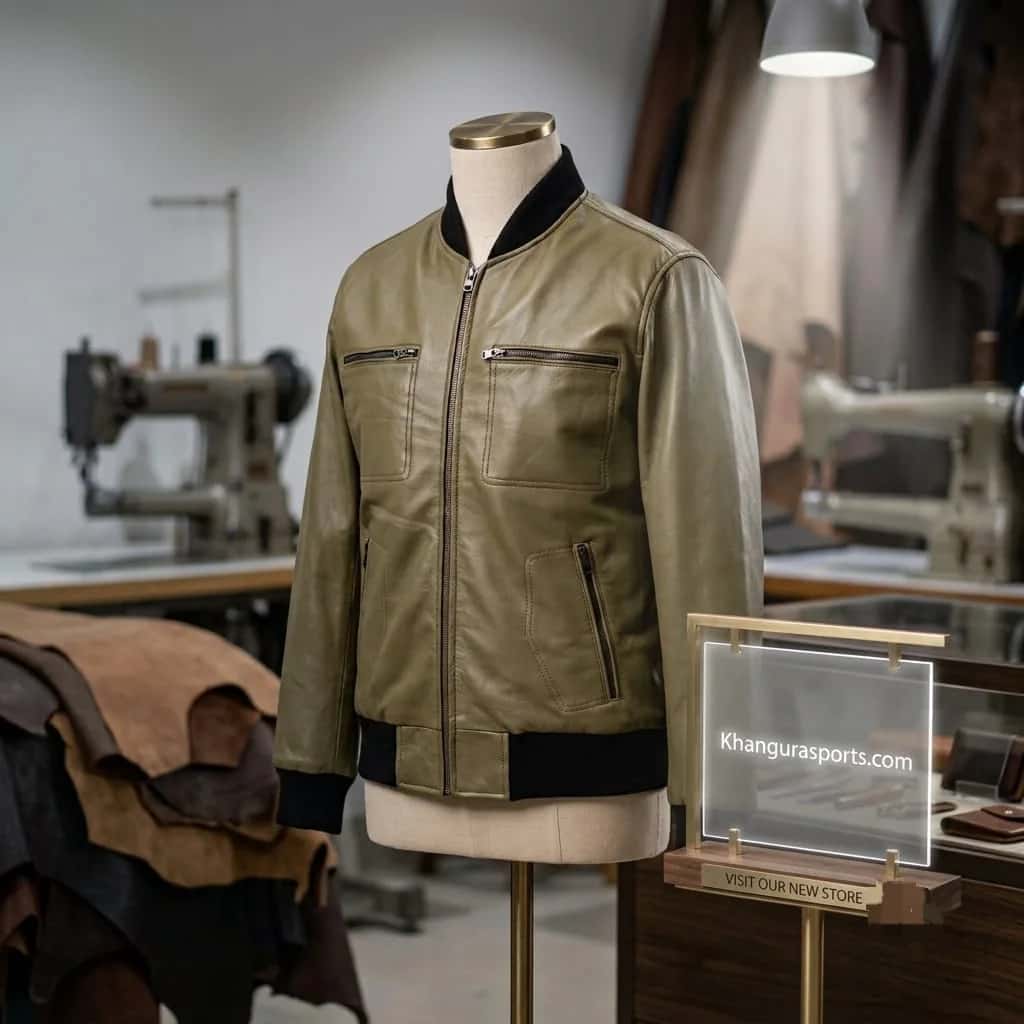
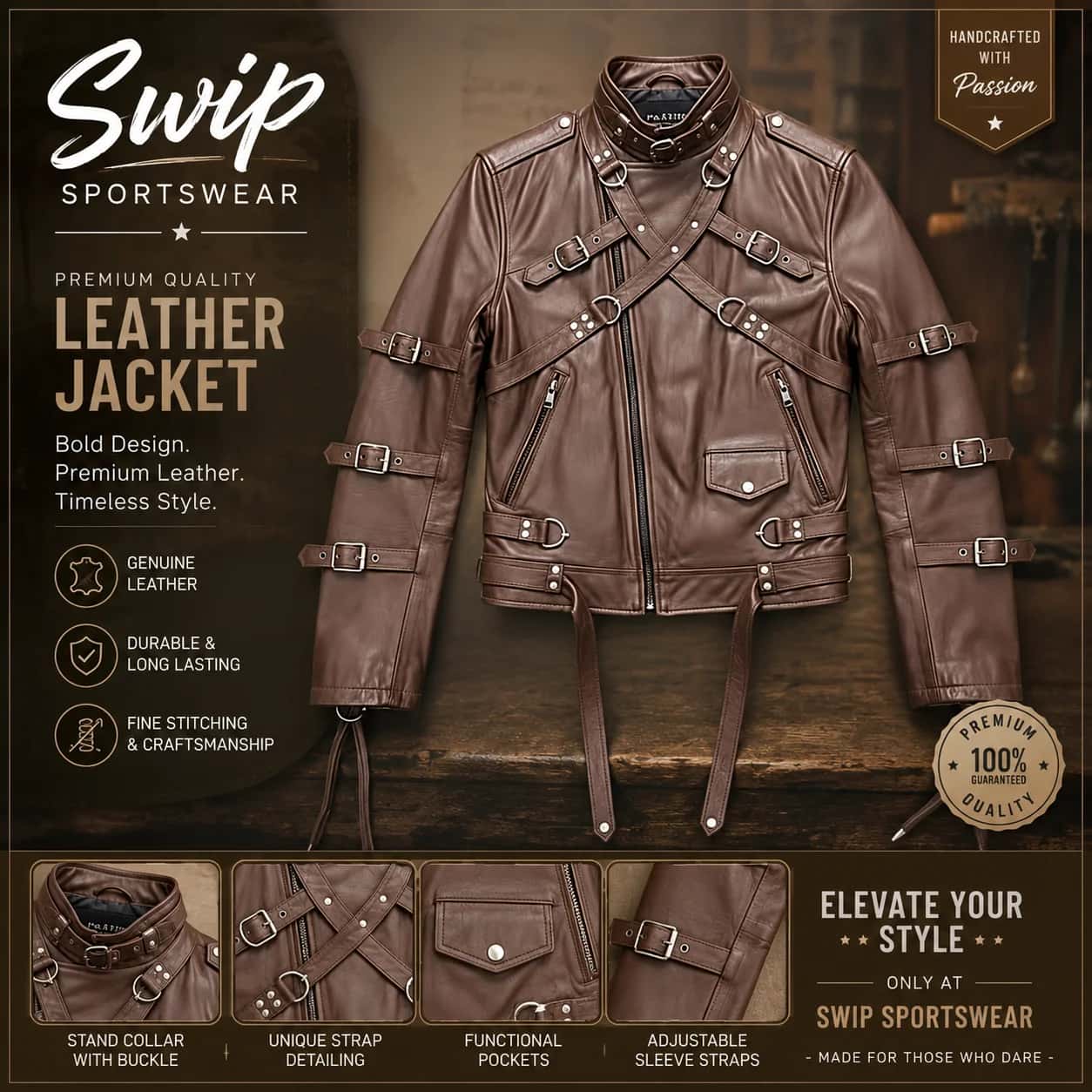
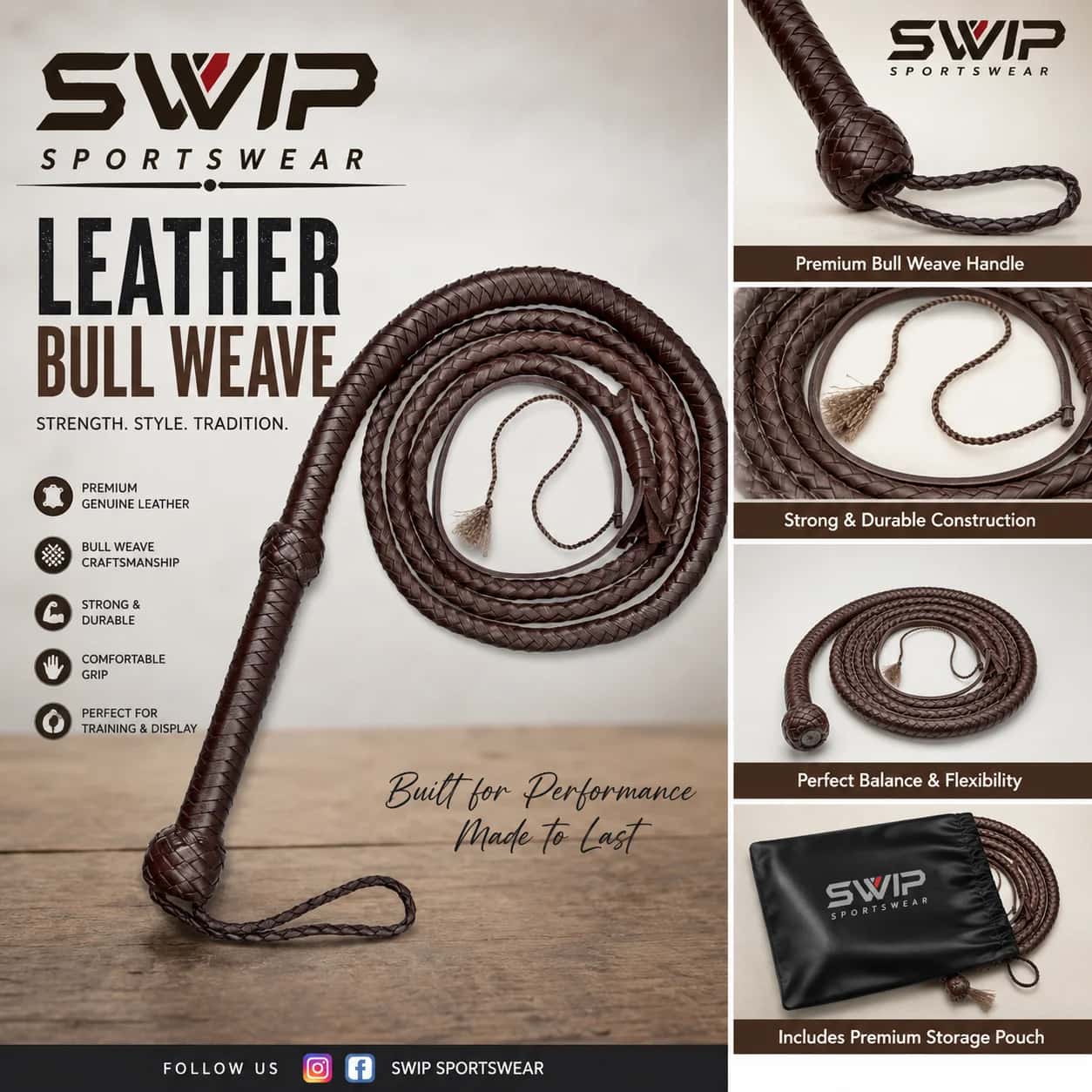
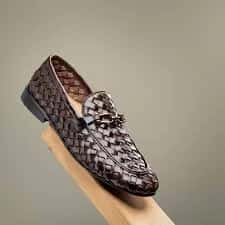
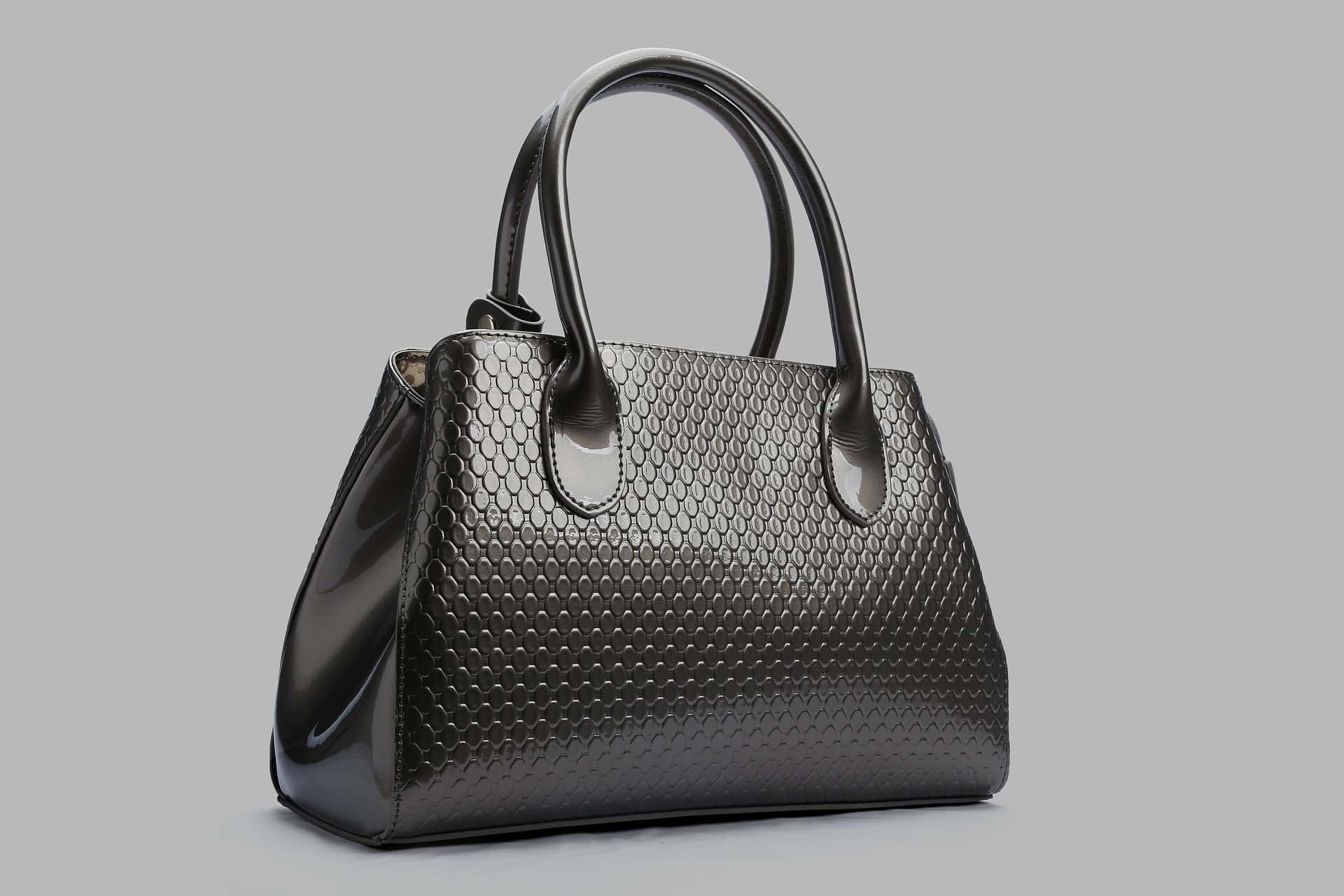
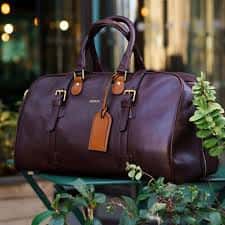
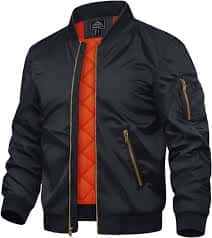
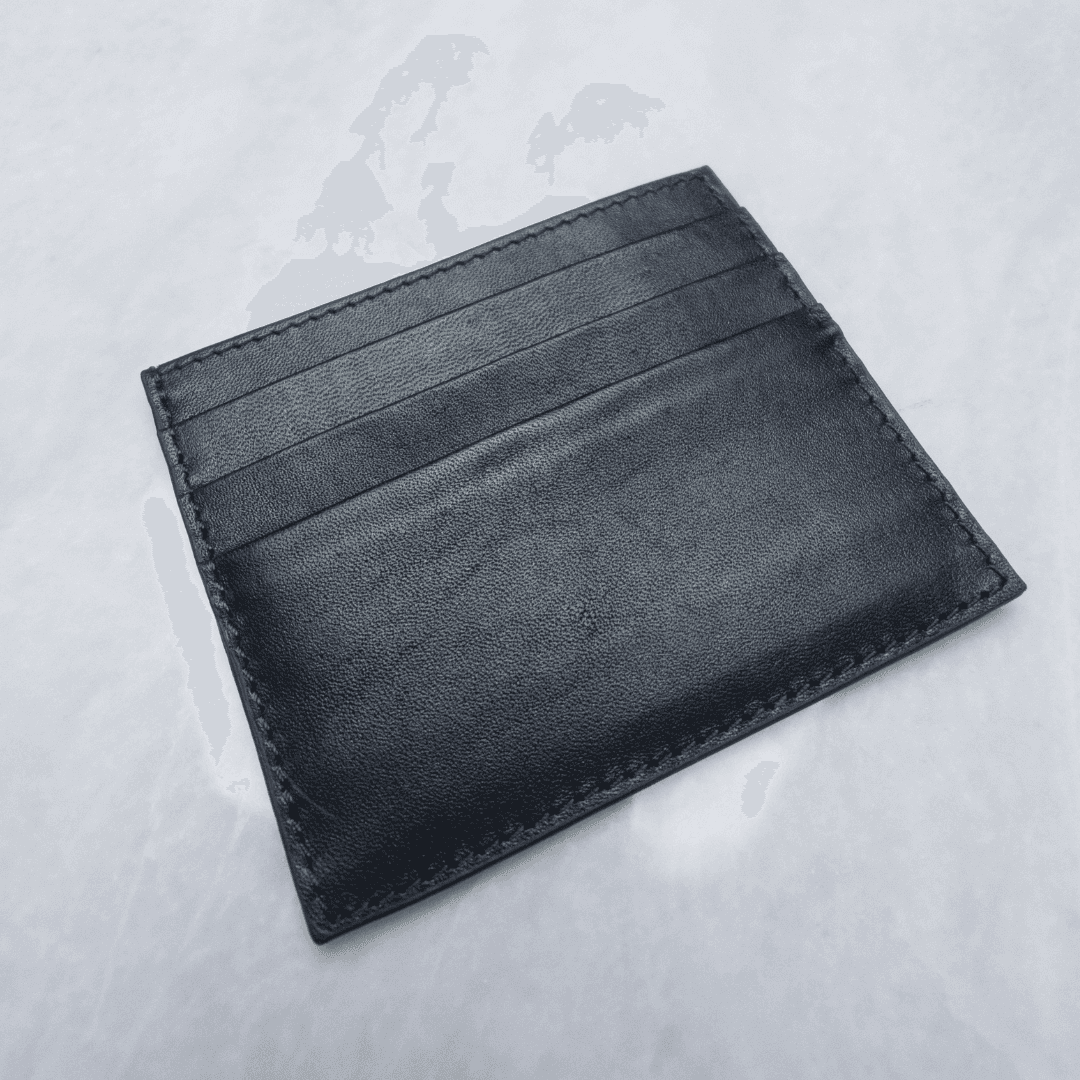
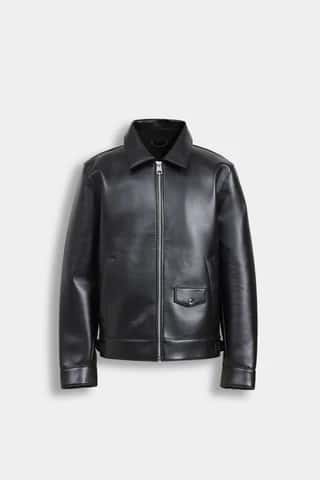

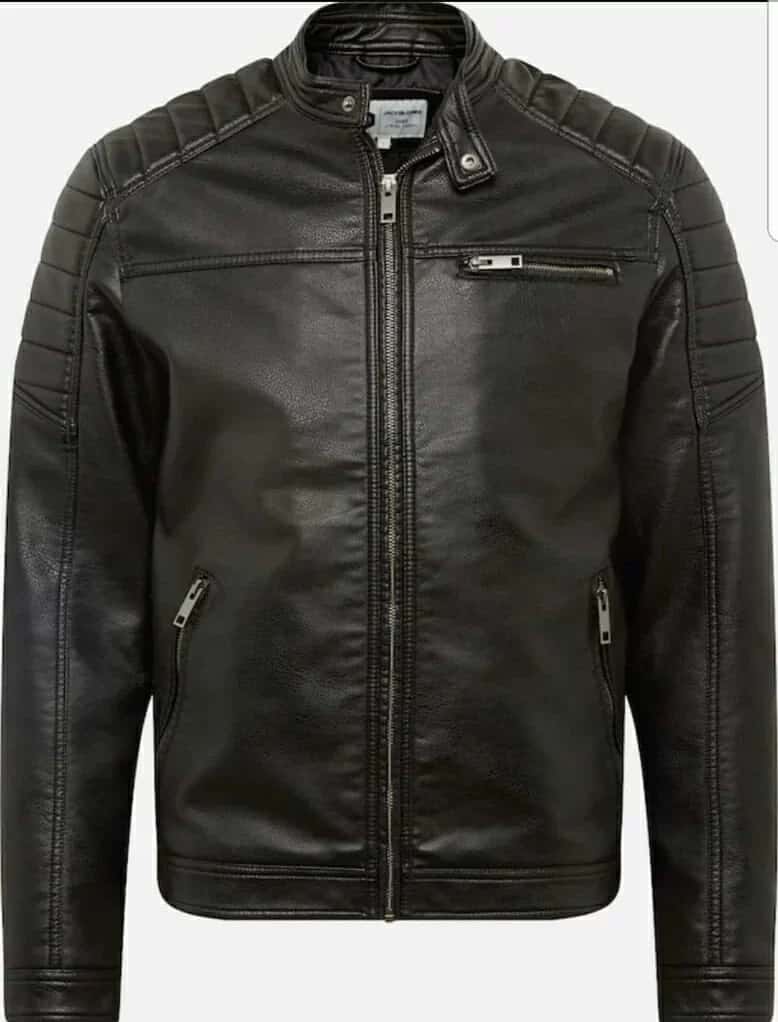
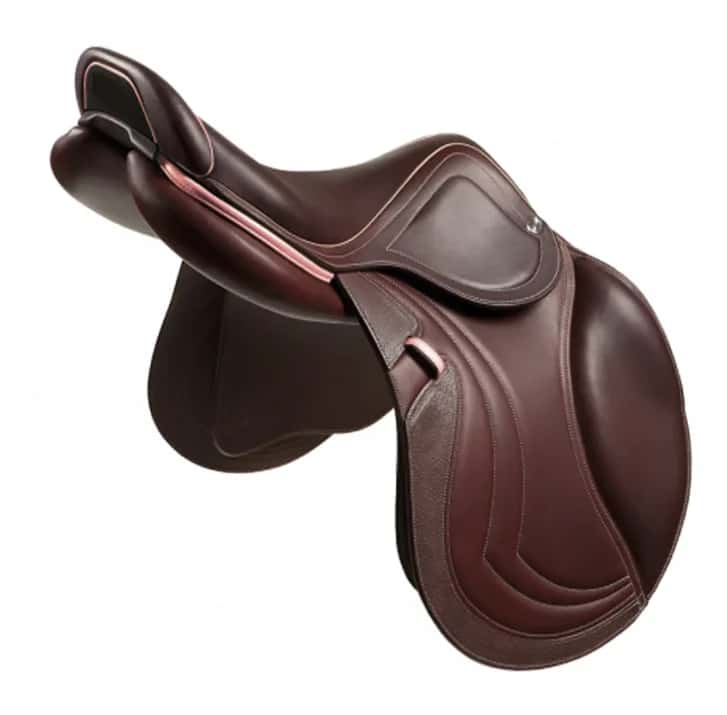
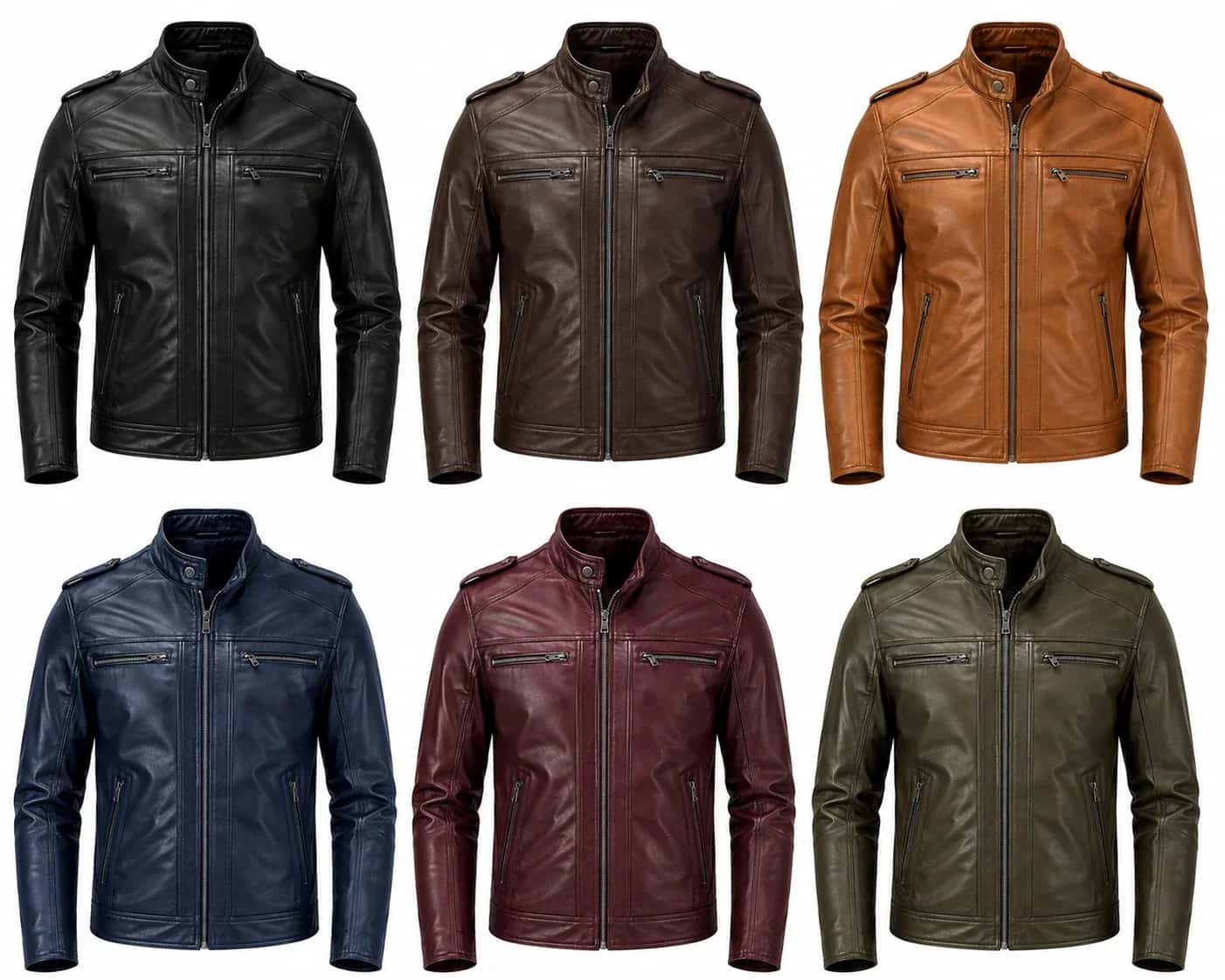
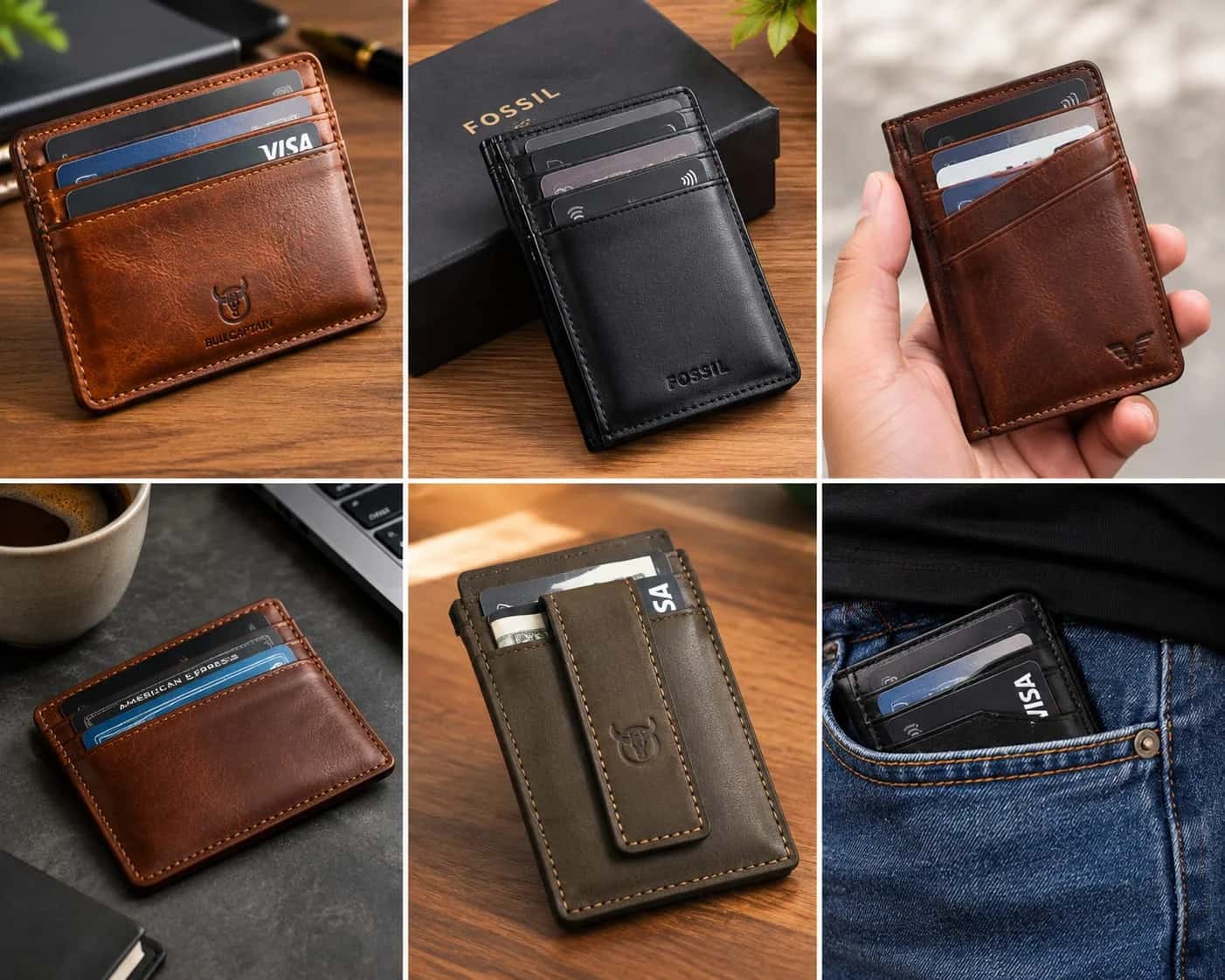
This article takes that wider view. Instead of rushing through a thin top-10 list, it explains why these manufacturers matter, what the industry looks like in 2026, and how a buyer should think about the difference between a good leather supplier and the right leather supplier.
Pakistan’s Leather Industry in 2026: Why It Still Matters
Pakistan’s leather and leather-products sector has long had a meaningful place in the country’s export economy. The official Pakistan Export Strategy for Leather and Leather Goods notes that the country produced around 213 million square feet of leather and exported $739.9 million in leather and leather articles in FY 2020 to 2021. It also notes that finished leather products account for the largest share of the sector’s export mix.
More recent official trade data shows that the sector still has real export weight. Pakistan’s Ministry of Commerce, using Pakistan Bureau of Statistics data, reported that in July to December 2025, exports of leather manufactures reached $303.82 million, including $131.76 million in leather garments, $165.08 million in leather gloves, and $71.70 million in leather footwear.
That matters for a very simple reason. Buyers are not looking at a small or experimental industry. They are looking at an export sector with long-standing global connections, established manufacturing clusters, and a supply base that already serves demanding international markets. At the same time, the sector is not uniform. Some companies are strongest in finished leather, some in garments, some in bags and accessories, and some in vertically integrated tanning and stitching operations. That variation is exactly why selection matters so much.
Indicator
Latest or official reference point
Why it matters
Pakistan leather production
About 213 million sq ft in the national export strategy
Shows scale of raw and processed leather capacity
Leather and leather articles exports
$739.9 million in FY 2020 to 2021 in the export strategy
Useful benchmark for the sector’s export depth
Leather manufactures exports
$303.82 million in Jul to Dec 2025
Confirms the sector remains commercially active in current trade data
Leather garments exports
$131.76 million in Jul to Dec 2025
Highlights strength in apparel-led leather manufacturing
Leather gloves exports
$165.08 million in Jul to Dec 2025
Shows the continued importance of gloves in Pakistan’s leather mix
Leather footwear exports
$71.70 million in Jul to Dec 2025
Indicates continued demand for leather footwear products
This is also where sourcing has started to change. Earlier, many buyers relied mostly on middlemen, trade-fair contacts, or market visits. Today, the first stage of sourcing is more digital. Buyers use discovery platforms, review public company information, and compare capabilities before deciding whom to contact. That does not eliminate due diligence, but it does make the early stage far more efficient.
How This Top-10 List Was Approached
A title like top 10 leather products manufacturers in Pakistan for 2026 can easily become shallow if it is treated like a popularity contest. That would not be useful to a serious buyer.
So this shortlist has been approached more practically. The companies below were selected based on a combination of public visibility, relevance within Pakistan’s leather-export ecosystem, official company disclosures, and their fit within the country’s broader leather value chain. In some cases, the company has a strong official public profile. In others, the name appears in Pakistan’s official export-strategy ecosystem around leather and leather goods.
That means this is not a list of “the biggest only,” and it is not a random directory either. It is a practical shortlist of names that buyers are likely to encounter when seriously sourcing leather from Pakistan.
Top 10 Leather Products Manufacturers in Pakistan for 2026
1. Baramdat
Putting Baramdat in this article is important, but it needs to be done honestly. It is not a leather manufacturer itself. Its relevance comes from the role it plays in helping buyers discover leather products manufacturers in a more structured way.
For many businesses, the hardest part of sourcing is not production. It is filtering. There may be dozens of possible suppliers, but only a handful will fit the buyer’s quality expectations, volume needs, pricing level, and communication style. Baramdat helps in that early stage of selection by making supplier discovery more organized.
That matters in leather because this is a category where visual presentation alone can be misleading. A good supplier is not just one that posts attractive product photos. It can maintain leather quality, finishing, stitching, and delivery performance over time. So before a buyer commits to any one manufacturer, a platform that improves discovery has real value.
In practical terms, Baramdat belongs at the top of this article because it fits the way sourcing increasingly works in 2026. The manufacturer still matters most. But the path to the right manufacturer is increasingly digital first.
2. Royal Leather Industries Ltd.
Royal Leather Industries stands out because it presents itself not only as a stitching or finishing business, but as a vertical unit producing finished leather for shoes, garments, handbags, and furniture. The company says it was incorporated in 1986, operates a tannery and stitching factories, and employs hundreds of workers across those facilities. It also states that it was the first tannery in Pakistan to produce chrome-free leather and that it has its own in-house wastewater treatment plant.
For buyers, that vertical structure matters. A company involved in both tanning and stitching generally has more control over material consistency than a pure assembler buying leather from elsewhere. That does not automatically make it the right choice for every order, but it does make it especially relevant for buyers who want stronger control over the leather input itself.
Royal Leather also appears more industrial in orientation than fashion-led brands. That makes it particularly relevant for buyers who care less about consumer branding and more about process depth, product engineering, and supply stability.
3. Siddiq Leather Works
Siddiq Leather Works is one of the stronger publicly visible names in Pakistan’s tanning ecosystem. Its official site says the company was incorporated in 1974, exports leather to more than 40 countries, and operates one of the more modern production units in Pakistan. It also presents itself as a long-running player in finished leather for footwear, goods, garments, furniture, and automotive use.
What makes Siddiq Leather Works especially relevant is that it helps illustrate the difference between a leather-product manufacturer and a leather-industry backbone supplier. Not every buyer needs a consumer-facing leather-goods brand. Some need a strong finished-leather producer with technical range and export discipline.
Its public emphasis on sustainability, chemical-use reduction, wastewater treatment, and international market participation suggests an operation that is thinking beyond basic production. For buyers who value long-term material consistency and a serious tanning background, Siddiq is an important name to know.
4. HUB
HUB is one of the better-known names on the finished-goods side of Pakistan’s leather market. Its official site describes a wide range of handcrafted leather products including wallets, bags, jackets, travel items, and accessories, and says it uses cow, buffalo, and sheepskin depending on the product category. It also positions itself as serving customers in Pakistan and abroad.
The reason HUB matters in this article is that not every leather manufacturer should be assessed on tannery strength alone. Buyers looking for finished accessories, branded leather presentation, and strong product-market alignment may value a company like HUB more than a raw production giant.
In other words, HUB represents a different end of the market. It shows how design, finishing, merchandising, and product clarity also matter in leather sourcing, especially for businesses interested in bags, wallets, gifting, travel, or premium everyday accessories.
5. Hamid Leather Pvt. Ltd.
Hamid Leather appears in Pakistan’s official leather export-strategy ecosystem among recognized industry stakeholders and company names associated with the sector. While public detail is not as easy to access as with some larger names, its inclusion in the official strategy context is still meaningful.
Why does that matter? Because a manufacturer does not need a flashy public-facing brand to be commercially relevant. Many leather businesses that are strong in export or B2B manufacturing remain comparatively quiet online, especially if their model is built around trade relationships rather than consumer marketing.
For buyers, this is a reminder that good leather sourcing often requires looking beyond the loudest brand names. Hamid Leather is relevant here because it reflects that quieter but still important layer of Pakistan’s leather manufacturing base.
6. Hafiz Tannery
Hafiz Tannery also appears in the official leather export-strategy ecosystem, which is important because tanneries play a deeper role in leather sourcing than many buyers initially realize.
In leather, the quality story begins long before the final product is stitched. It begins with hide selection, tanning chemistry, finishing methods, and material consistency. A tannery-led business can therefore be highly valuable to buyers who care about durability, finish quality, technical leather properties, and long-term repeatability.
A company like Hafiz Tannery is relevant because it represents the upstream strength of the sector. Even when a buyer’s final interest is in jackets, gloves, or bags, the material source underneath those products often determines whether the finished order performs well in actual use.
7. Leather Field
Leather Field is a name that frequently appears in Pakistan’s leather-manufacturing conversation and is part of the broader ecosystem of public leather exporters and manufacturers. While I do not want to overstate specifics without stronger public company disclosures in front of me, it is still a commercially relevant inclusion in a serious 2026 shortlist.
Its value in this article is that it represents the fashion-facing, finished-products side of the industry. Businesses like this typically matter most to buyers looking for leather garments, branded appearance, and finished-product readiness rather than only tannery depth.
That distinction matters because sourcing leather is not one market. A buyer looking for premium finished jackets should not evaluate manufacturers exactly the same way as a buyer looking for finished leather for footwear components.
8. Highway Creations
Highway Creations appears in Pakistan’s official leather export-strategy ecosystem among leather-sector stakeholders and industry-linked names.
Its inclusion is useful because it points to another reality of this market: many meaningful leather suppliers are best understood through industry networks and export ecosystems rather than only through polished public-facing websites. In B2B leather, visibility is uneven.
For buyers, that means the sourcing process should not stop at Google visibility alone. A supplier may be commercially capable, relevant to the export ecosystem, and still underrepresented in search results. Highway Creations belongs in this article because it reflects that exact pattern.
9. Hundal Group
Hundal Group is another name appearing in the official leather export-strategy ecosystem. That alone does not tell a buyer everything, but it does place the company inside the recognized leather-sector landscape rather than outside it.
Why include it here? Because the purpose of this article is not to copy the same household names seen in every basic roundup. It is to give buyers a more realistic picture of the supplier base they may actually encounter while sourcing from Pakistan.
Hundal Group helps represent the wider B2B side of the market, where companies can be deeply relevant to trade relationships without necessarily having consumer-brand visibility.
10. Nadeem Leather Industries
Nadeem Leather Industries is also named in the official leather export-strategy ecosystem, which makes it a relevant industry-facing inclusion in a 2026 leather shortlist.
Its importance here is not that it is the most publicly marketed leather company in Pakistan. It is that it reflects the breadth of the sector. Pakistan’s leather ecosystem includes major vertically integrated operators, finished-goods specialists, tannery-driven businesses, and quieter industrial suppliers that still play meaningful roles in export and wholesale trade.
For buyers, this is an important lesson. The best leather manufacturer is not always the most visible one. Often, it is the one whose operating model matches the buyer’s product category, order size, and quality expectations.
What Actually Separates Top Leather Manufacturers from Average Ones
A weak article on this topic would stop at the list. A useful one needs to go further.
In practice, top leather products manufacturers in Pakistan usually stand apart in five ways.
The first is material control. A manufacturer that has better control over leather sourcing or tanning will usually produce more consistent finished goods. The second is process discipline. Good samples are common in this sector. Consistent bulk execution is not. The third is communication. Strong manufacturers explain lead times, limitations, and specifications clearly. The fourth is export familiarity. Companies used to international buyers generally understand documentation, timelines, and quality expectations better. The fifth is category fit. A tannery-led leather producer, a fashion accessories brand, and a garment exporter should not all be judged by exactly the same criteria.
That is why buyers often struggle when they treat leather sourcing as a one-dimensional price comparison. In reality, good leather sourcing is a capability match.
How Sourcing Is Changing in 2026
By 2026, the sourcing process is becoming more layered.
Earlier, a buyer might have had to depend almost entirely on trade exhibitions, referrals, or market visits. Today, sourcing often starts online, continues through direct communication, and only then moves into samples, negotiation, and production validation.
That does not mean digital discovery replaces due diligence. It means due diligence starts earlier and with better visibility.
This is where platforms like Baramdat matter. They do not replace the manufacturer. They improve the first stage of selecting one. And in a sector where supplier quality varies more than a simple brochure suggests, that early-stage clarity is commercially important.
Conclusion
The top 10 leather products manufacturers in Pakistan for 2026 should not be seen as a generic popularity list. They should be seen as a practical shortlist across different parts of Pakistan’s leather ecosystem.
Some names matter because they are vertically integrated. Some matter because they are strong in finished goods. Some matter because they sit at the material foundation of the sector. Others matter because they are recognized inside Pakistan’s official leather export ecosystem and remain relevant to serious B2B buyers even without heavy consumer-brand visibility.
For the buyer, the real goal is not to find the “most famous” leather supplier. It is to find the supplier whose structure, quality discipline, and product strength match the business being built.
FAQs
1. Why are leather products manufacturers in Pakistan important for global buyers?
Pakistan’s leather sector combines export experience, technical tanning depth, and competitive finished-product manufacturing. Official trade data shows the country still exports substantial volumes of leather garments, gloves, footwear, and leather manufactures, which means global buyers are not dealing with a marginal industry but with a well-established export base.
2. How should I choose among leather products manufacturers in Pakistan?
Start by matching the supplier to the product, not just the price. A tannery-led company may be stronger for material consistency, while a finished-goods brand may be better for bags or accessories. Then verify with samples, communication quality, production clarity, and repeat-order consistency before making larger commitments.
3. Is Lahore or Sialkot better for leather sourcing in Pakistan?
That depends on what you need. Lahore is important for tanning, finished leather, and many leather-goods businesses, while Sialkot is more strongly associated with export-driven manufacturing clusters, especially where leather overlaps with gloves, sports goods, and internationally oriented production systems. The right city depends on category and sourcing model.
4. Are Pakistani leather manufacturers suitable for smaller brands?
Yes, but the right fit matters. Large export-oriented companies usually offer stronger systems and consistency, while smaller or mid-sized manufacturers may provide more flexibility in product development, design adjustments, or lower volume entry points. Smaller brands usually do best when they begin with testing, not with large commitments.
5. What makes leather sourcing riskier than basic textile sourcing?
Leather quality can vary significantly depending on hide quality, tanning, finishing, stitching, and category-specific construction. Two products may look similar at first glance but perform very differently in actual use. That is why samples, finishing checks, and long-term consistency matter more in leather than in many simpler commodity product categories.
6. Can digital platforms really help when sourcing leather from Pakistan?
Yes, especially in the discovery stage. Digital platforms help buyers shortlist relevant suppliers faster, compare categories more efficiently, and begin discussions with better context. They do not replace due diligence, but they make the early stage of supplier selection more structured and reduce reliance on scattered referrals alone.
7. Why does this article include Baramdat in a manufacturers article?
Because buyers do not just need manufacturers. They need a practical route to the right manufacturers. Baramdat belongs here because it supports the discovery and shortlisting process for leather products manufacturers in Pakistan, which is often the hardest part for businesses sourcing the category seriously.

You can view the products listed orsign up on Baramdat for free

You might also like
Rock Phosphate Suppliers in Pakistan: A Buyer's Guide for 2026
By Muhammad Umar - 13 October 2026
Top 10 rock phosphate suppliers in Pakistan for 2026 - P2O5 grades, regions, MOQs, and what buyers should verify before ordering in bulk.
Fire Fighting Equipment Suppliers in Pakistan: A Buyer's Sourcing Guide
By Muhammad Umar - 13 October 2026
Sourcing fire fighting equipment from Pakistan? Compare extinguishers, hydrants, alarms & PPE, verify certifications, and connect with sellers on Baramdat.
Car Manufacturers in Pakistan: Complete 2026 Guide
By Muhammad Umar - 13 October 2026
See every PAMA-registered car manufacturer in Pakistan - Suzuki, Toyota, Honda, Hyundai, Kia, Changan, and more - with segments and verified sources.
7 Verified Disposable Syringe Manufacturers in Pakistan 2026
By Muhammad Umar - 13 October 2026
A buyer's list of Pakistan's disposable syringe manufacturers verified through DRAP registration and WHO PQS - names, cities, credentials, and what to check.