
By Muhammad Umar - 30 April 2026
How to Get Permission for Hunting and Fishing on Private Land
Learn how to get permission for hunting and fishing on private land with proven tips to approach landowners and secure access.
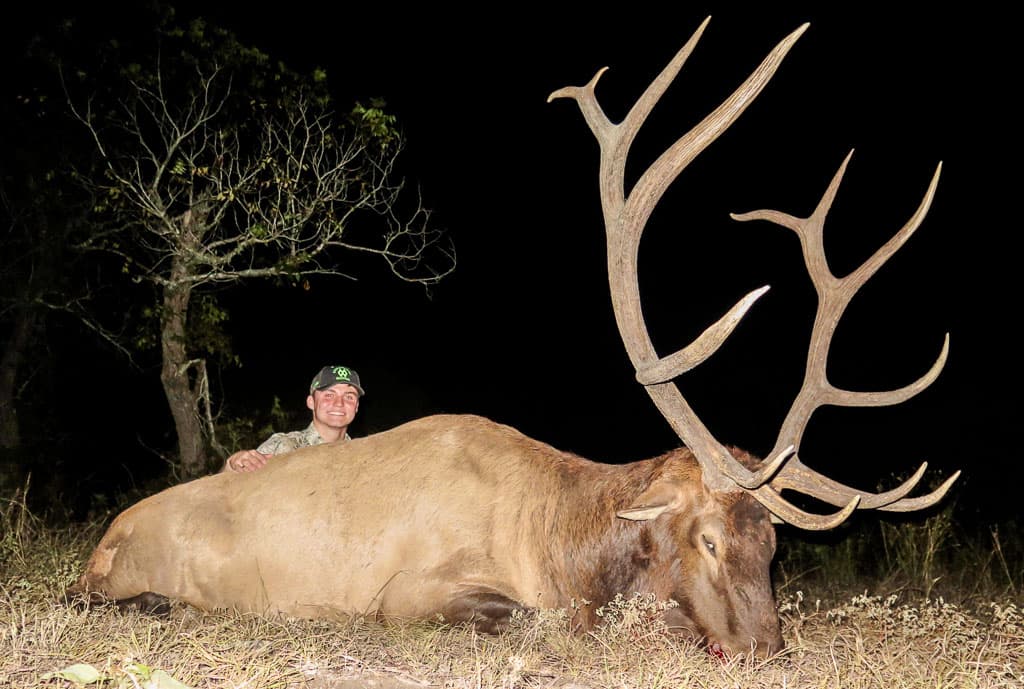
As an avid hunter or angler in the United States, gaining permission to hunt or fish on private land can open the door to less crowded areas and often better wildlife opportunities. However, securing that access isn’t always straightforward. In this guide, we’ll walk through practical steps to help you approach landowners the right way and improve your chances of getting permission.
Related products



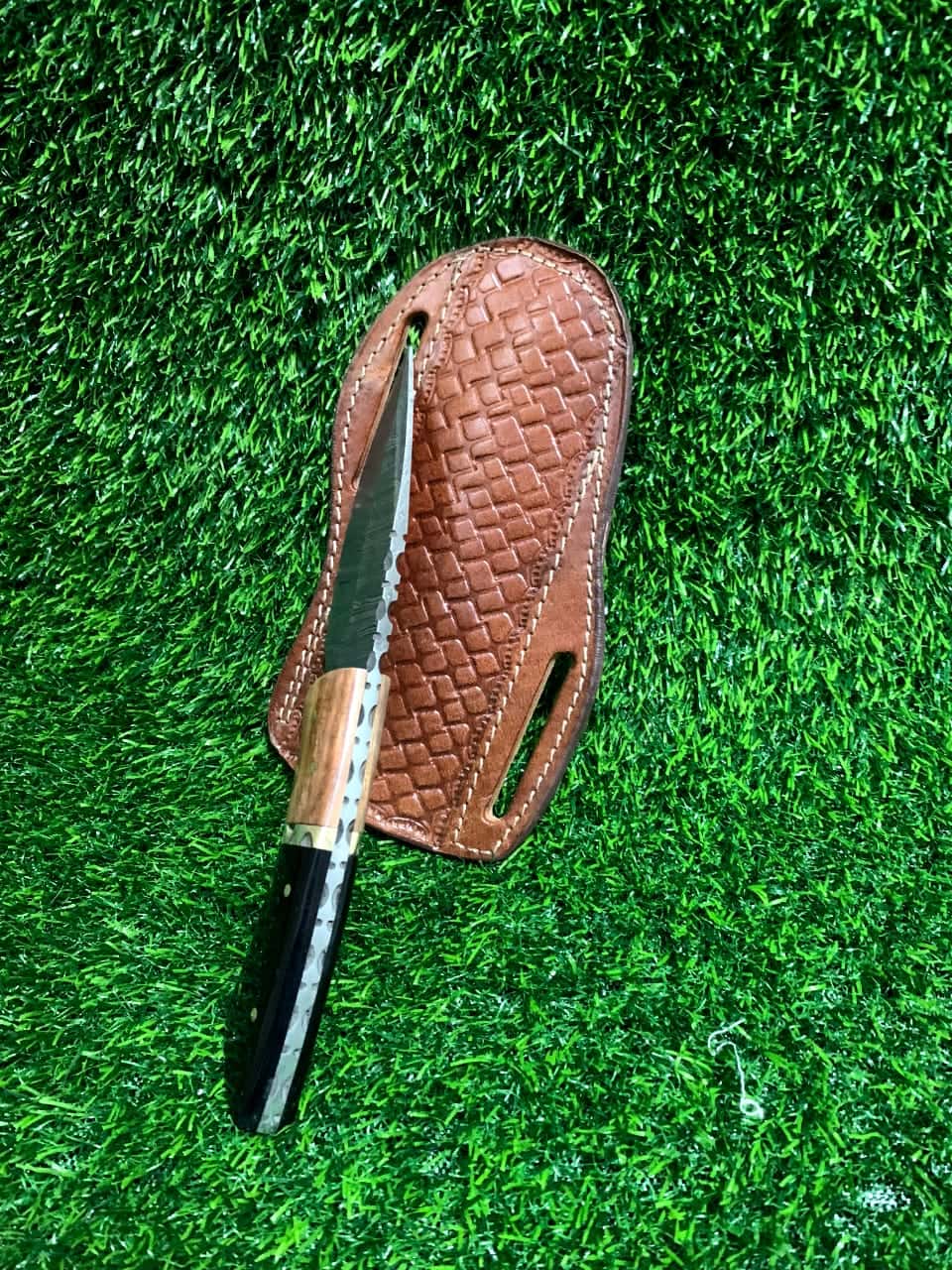



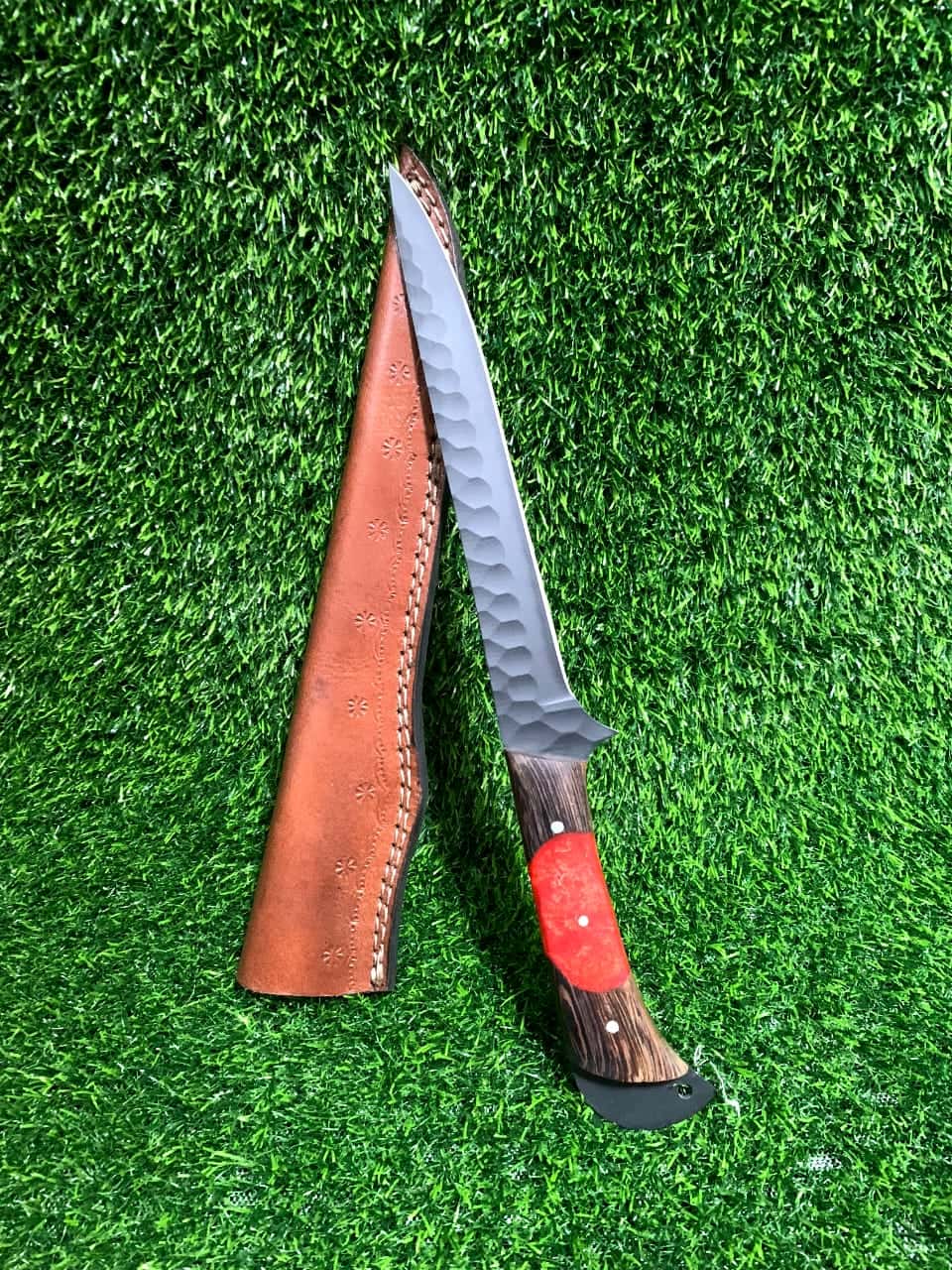

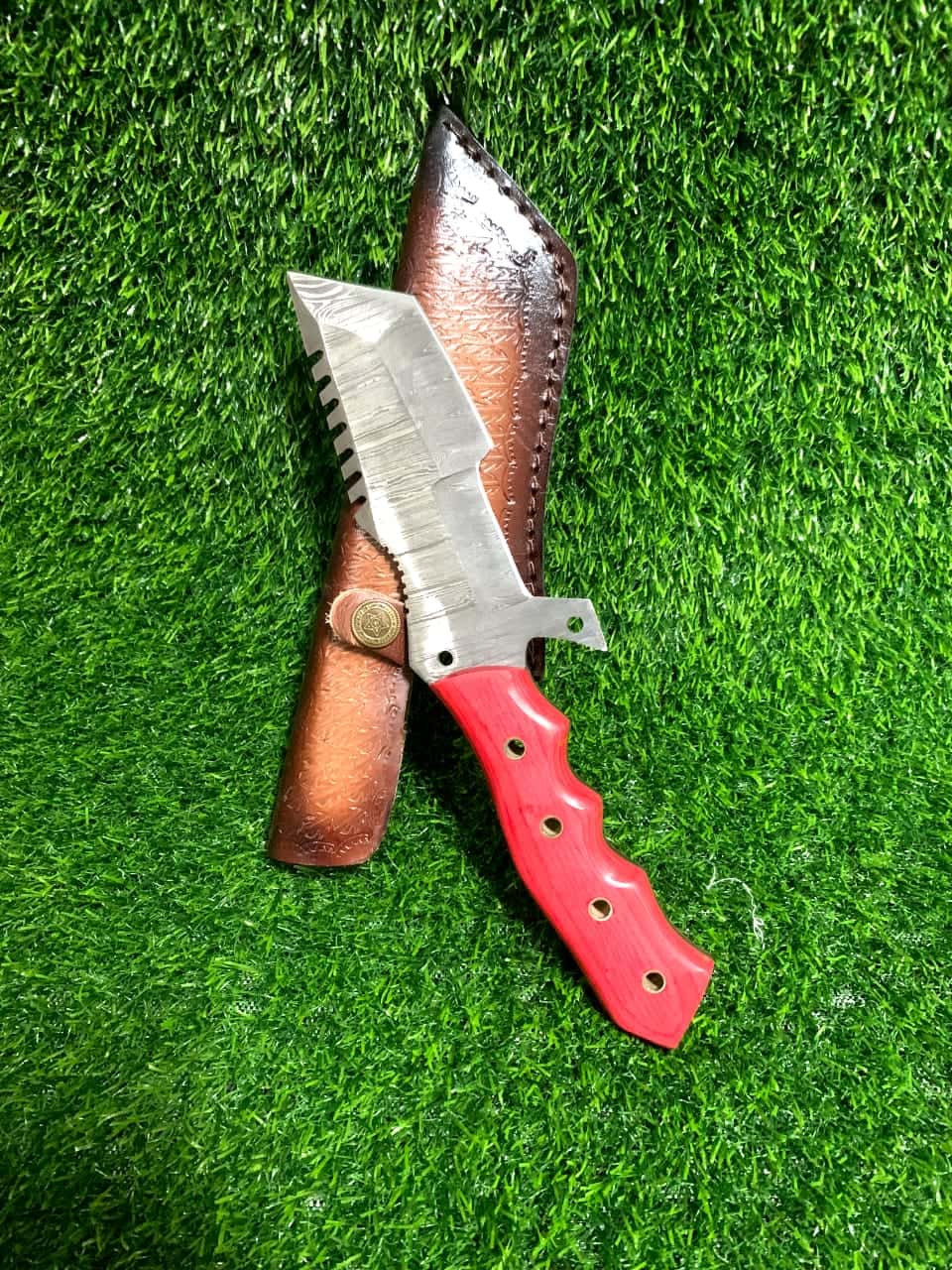


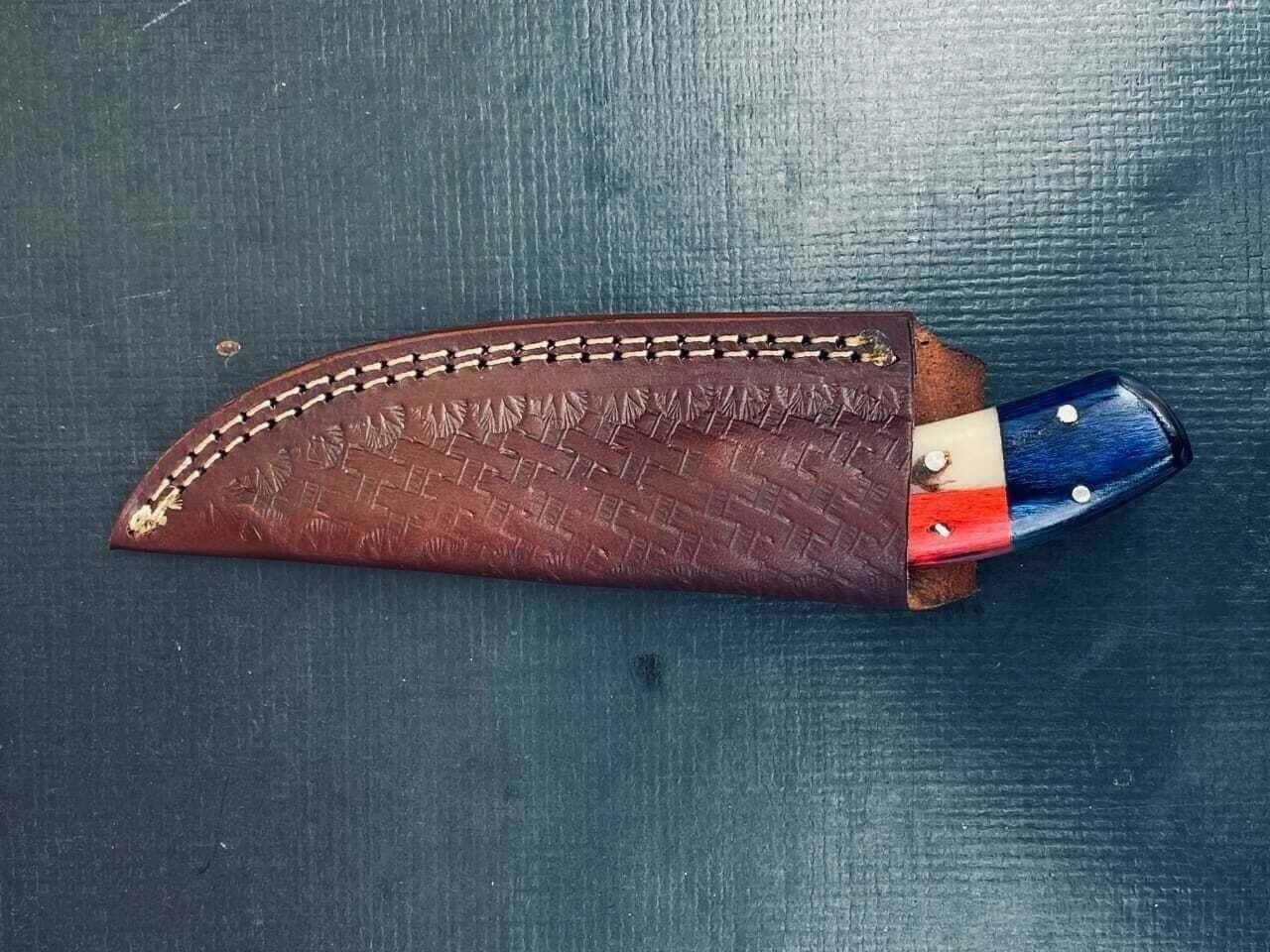
Hunting and fishing on private land in the U.S. is a privilege, not a right. Landowners have full control over who enters their property, and their concerns—such as safety, liability, and property protection—are valid. To gain permission, it’s important to follow proper etiquette, communicate clearly, and show respect for both the land and the owner. Demonstrating responsibility and understanding state-specific regulations can go a long way in building trust and securing access.
How to Get Permission to Hunt on Private Land
Hunting on private land can be an exciting and rewarding experience for many outdoor enthusiasts. However, gaining access to private land can be a challenging and intimidating process, especially if you are not familiar with the etiquette and procedures involved in obtaining permission. In this comprehensive guide, we will walk you through the steps you need to take to get permission to hunt on private land, while also providing valuable tips and advice to help make the process as smooth and hassle-free as possible.
1. Research the Area and Property Owners
Before reaching out, take some time to understand the land and who owns it. Look into the type of game or fish available, local seasons, and regulations in that state. In the U.S., rules can vary widely depending on where you are, so checking with your state wildlife agency is always a smart move. If possible, learn a bit about the landowner as well—their background, how the land is used, and any preferences they might have. This helps you approach them in a more thoughtful and informed way rather than going in blind.
2. Contact the Property Owner
First impressions matter. When you approach a landowner—whether in person, by phone, or even a polite letter—be respectful and straightforward. Introduce yourself, explain why you’re interested in hunting or fishing on their land, and share a bit about your experience. Let them know you take safety and responsibility seriously. If you have references from other landowners or hunting partners, offering those can help build credibility early on.
3. Build Trust and Offer Value
Trust is often the deciding factor. Landowners are much more open to granting access if they feel confident you’ll respect their property. Make it clear that you’ll follow their rules, prioritize safety, and treat the land carefully. It also helps to offer something in return—this could be sharing part of your harvest, helping with small tasks around the property, or even paying a small access fee. In some U.S. states, there are also walk-in or managed access programs that can make this process easier.
4. Use Written Permission and Consent Forms
In many parts of the United States, having written permission isn’t just a good idea—it’s sometimes required. Even where it’s not mandatory, it protects both you and the landowner. A simple permission slip or consent form should include the landowner’s name, property details, dates you’re allowed on the land, what activities are permitted, and signatures from both sides. Some hunters also include a liability waiver to reassure landowners. Many state agencies provide ready-made templates, which makes the process straightforward and more professional.
5. Respect the Landowner’s Decision
Not every request will be a yes—and that’s okay. If a landowner declines, respect their decision without pushing or arguing. Thank them for their time and leave the door open for the future. A polite and respectful interaction today could turn into an opportunity later on.
6. Follow State Laws and Property Rules
If you do get permission, make sure you follow all applicable hunting and fishing laws. This includes having the proper licenses, staying within season dates, and respecting bag limits. Also, stick strictly to any rules set by the landowner—such as where you can go, what you can hunt, or what times you’re allowed on the property. Regulations differ from state to state, so staying informed is essential.
7. Leave No Trace and Take Care of the Land
Treat the property like it’s your own—or better. Clean up all trash, avoid damaging fences or crops, and be mindful of livestock and natural habitats. Leaving no trace (or even improving the condition of the land) goes a long way in maintaining trust and ensuring you’re welcome back.
8. Build Long-Term Relationships
Getting permission once is good—building a lasting relationship is even better. After your visit, follow up with a thank-you message. Let the landowner know how your trip went, and if appropriate, offer to share part of your harvest. Staying in touch and showing appreciation can turn a one-time opportunity into a long-term arrangement for hunting or fishing on private land.
FAQs
How do you ask for hunting permission on private land? The best way to ask for hunting permission is to approach the landowner respectfully and professionally. Introduce yourself, explain your intentions (what you want to hunt and when), and highlight your experience and safety practices. Be honest, polite, and willing to follow their rules. Offering references or something in return—like helping with property maintenance—can also improve your chances. What is a hunting permission document called? A hunting permission document is commonly called a permission slip, land access permit, or written landowner consent form. In some states, it may also include a liability waiver to protect the landowner. These documents outline who is allowed on the property, what activities are permitted, and the timeframe for access. How do you write a hunting permission letter? A hunting permission letter should be simple and respectful. Start by introducing yourself, then clearly state your request to hunt on the property. Include details such as the type of game, dates, and your experience level. Assure the landowner that you will follow all rules and respect their property. End by thanking them for their time and providing your contact information. How far must a hunter stay from a house if they don’t have permission? The required distance varies by state, but in many parts of the U.S., hunters must stay at least 150 to 500 feet away from an occupied building without permission. Some states have stricter rules, especially when using firearms. Always check your state’s hunting regulations to ensure you remain compliant. What else do you need besides permission and a hunting license? In addition to written permission and a valid hunting license, you may also need species-specific tags or permits (such as a deer tag), and in some states, hunter education certification. You must also follow all local regulations, including season dates, bag limits, and weapon restrictions.
Conclusion
In conclusion, gaining permission to hunt or fish on private land requires respect, professionalism, and patience. By researching the area and property owner, contacting them with a respectful approach, offering something in return, following regulations, leaving no trace, and building relationships, you increase your chances of obtaining permission and creating a positive hunting and fishing experience. Remember that hunting and fishing on private land is a privilege, and it is essential to respect the property owner's wishes and rules. By following these tips, you can build long-term relationships with property owners and create memorable hunting and fishing experiences.
You might also like

Where to Buy Pocket Knives
By Shahroz Ahmed - 22 April 2026
Learn where to buy pocket knives with practical guidance on trusted sellers, official brand stores, specialty retailers, and what to check before you buy.
Mastering the Art of Hunting: Tips Every Hunter Should Know
By Muhammad Umar - 24 April 2026
Hunting is not just about skill; it’s about responsibility. Always follow safety guidelines, get proper licenses, and respect local regulations.

10 Ways to Carry a Fixed Blade Knife
By Muhammad Umar - 29 April 2026
Discover expert tips for safely and stylishly carrying a fixed-blade knife with our top 10 methods. Whether you're an outdoor enthusiast or a daily carrier, find the perfect way to keep your trusted tool by your side.

How to Sharpen a Hunting Knife: A Comprehensive Guide
By Muhammad Umar - 11 October 2023
Learn the art of sharpening a hunting knife like a pro with our expert tips and comprehensive guide. Keep your blade in top-notch condition.