Hunting is more than pursuing wildlife—it is a combination of preparation, patience, observation, and respect for nature. Successful hunters do not rely solely on luck. They study animal behavior, understand the environment, use appropriate equipment, and follow ethical hunting practices.
Whether you are planning your first hunting trip or looking to improve your existing skills, learning the fundamentals can significantly increase your chances of success while ensuring safety and wildlife conservation.
This comprehensive hunting guide explains everything you need to know, from selecting the right hunting gear and understanding animal movement to mastering field techniques and avoiding common beginner mistakes.
What Is Hunting?
Hunting is the practice of tracking and harvesting wild animals for food, wildlife population management, conservation programs, or recreational purposes where legally permitted. Responsible hunting requires knowledge, patience, and adherence to local hunting regulations.
Modern hunting is no longer simply about harvesting an animal. It also involves wildlife conservation, habitat protection, and maintaining healthy ecosystems through regulated hunting seasons and ethical practices.
Successful hunters spend far more time preparing than they do actually taking a shot.
Why Preparation Matters Before Every Hunt
Proper preparation is one of the biggest differences between successful and unsuccessful hunters.
Before entering any hunting area, make sure you:
Obtain the required hunting licenses and permits.
Study local hunting regulations.
Research your target species.
Check weather forecasts.
Scout the hunting location in advance.
Inform someone about your hunting plans.
Carry emergency supplies.
Many hunting trips fail because hunters underestimate the importance of planning rather than because of poor field skills.
Essential Hunting Gear Checklist
Having the right hunting equipment improves comfort, safety, and efficiency. While gear requirements vary depending on terrain and game species, every hunter should carry the essentials.
Hunting Clothing
Choose weather-appropriate clothing that keeps you comfortable throughout the day. Camouflage clothing should match your surroundings to reduce visibility without restricting movement.
Layering is recommended during colder seasons because temperatures can change significantly between early morning and afternoon.
Waterproof Hunting Boots
Hunters often walk several miles across forests, hills, wetlands, or rocky terrain. Waterproof boots with strong ankle support reduce fatigue while protecting your feet from moisture and uneven ground.
Proper footwear also helps minimize noise when moving through vegetation.
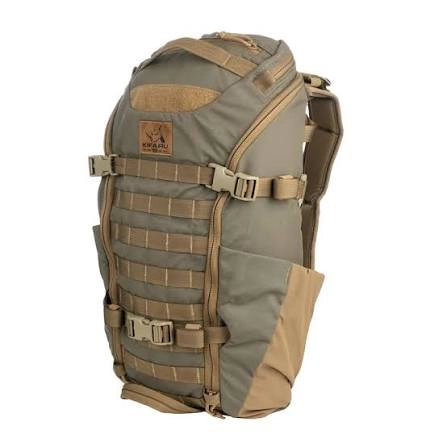
Hunting Backpack
A quality hunting backpack should comfortably carry:
Drinking water
Energy snacks
Extra clothing
Flashlight
Multi-tool
Navigation equipment
First aid kit
Emergency blanket
Batteries
Rope
Fire starter
Organized gear allows quicker access during unexpected situations.
Navigation Tools
Even experienced hunters can become disoriented in unfamiliar terrain.
Always carry:
GPS device
Compass
Printed map
Fully charged mobile phone
Portable power bank
Never rely solely on mobile network coverage.
Optics
Good optics allow hunters to observe wildlife from a safe distance.
Useful equipment includes:
Binoculars
Spotting scopes
Rangefinders
These tools help identify animals accurately while reducing unnecessary movement.
Understanding Animal Behavior
Knowing where animals travel is often more valuable than walking long distances searching randomly.
Animals follow consistent routines based on food, water, shelter, breeding activity, and seasonal migration.
Understanding these patterns allows hunters to predict movement rather than relying on chance encounters.
Feeding Habits
Most game animals feed during:
Early morning
Late afternoon
Just before sunset
Food sources often include:
Grasslands
Crop fields
Forest edges
Water sources
Oak trees producing acorns
Berry bushes
Locating feeding areas dramatically improves hunting opportunities.
Bedding Areas
Animals spend much of the day resting in protected locations.
These bedding areas usually provide:
Thick vegetation
Shade
Wind protection
Nearby escape routes
Avoid disturbing bedding areas unless absolutely necessary, as excessive pressure can push wildlife away.
Water Sources
Fresh water attracts wildlife throughout the year.
Streams, ponds, rivers, marshes, and natural springs often become active travel corridors, especially during warmer months.
Observing these locations during dawn or dusk frequently produces better wildlife sightings.
Choosing the Right Hunting Location
Selecting the correct hunting location is one of the most important decisions before entering the field.
Experienced hunters spend considerable time scouting rather than immediately hunting.
Look for:
Animal tracks
Fresh droppings
Bedding areas
Feeding signs
Tree rubs
Scrape marks
Well-used game trails
Water access
Scouting several days before the hunting season often provides valuable information about wildlife activity.
Reading Animal Signs
Learning to recognize animal signs increases your chances of locating wildlife.
Common indicators include:
Tracks
Fresh footprints reveal:
Direction of travel
Size
Species
Recent activity
Moist or sharply defined tracks usually indicate recent movement.
Droppings
Fresh droppings often suggest animals are feeding nearby.
Different species leave distinctive droppings, making identification easier with experience.
Tree Rubs and Scrapes
Many animals leave markings on trees or the ground.
These signs can indicate:
Territorial behavior
Breeding activity
Regular travel routes
Monitoring these locations over several days often reveals movement patterns.
The Importance of Wind Direction
Wind plays a critical role in hunting success.
Many animals rely heavily on their sense of smell to detect danger.
Whenever possible:
Stay downwind.
Avoid walking directly through feeding areas.
Store hunting clothing separately.
Use scent-free detergents.
Avoid perfumes or heavily scented products.
Ignoring wind direction can alert animals long before they become visible.
Frequently Asked Questions
What is the most important skills for a hunter?
Patience, observation, and understanding animal behavior are among the most important skills that contribute to successful and responsible hunting.
How should beginners prepare for their first hunt?
Beginners should learn local hunting regulations, scout the hunting area, understand their target species, practice using their equipment safely, and carry essential outdoor gear.
Why is wind direction important while hunting?
Many animals have an excellent sense of smell. Staying downwind helps reduce the chances of animals detecting human scent.
What should every hunter carry?
Essential items include navigation tools, a first aid kit, water, food, weather-appropriate clothing, emergency supplies, and properly maintained hunting equipment.
How can hunters improve their success rate?
Success improves through scouting, learning animal habits, practicing patience, minimizing noise, controlling scent, and continuously improving outdoor skills.